Want to Rent My House: Complete Guide to Listing, Managing, and Finding Reliable Tenants
If you’ve ever thought, “I want to rent my house,” you’re not alone. Many homeowners decide to rent out their properties to earn passive income, offset mortgage payments, or make use of a second home. However, renting out a home successfully requires more than just finding someone willing to pay rent; it involves preparation, marketing, screening, and effective management.
In this comprehensive guide, you’ll learn exactly what steps to take before renting your home, how to list it effectively online, the role of technology in managing tenants, and real-world examples of platforms and tools that make the process smooth and efficient.
Understanding What It Means to Rent Out Your House

Renting your house is both a financial and legal commitment. It means transitioning from being a homeowner to becoming a landlord, which comes with new responsibilities. You’ll need to ensure the property is safe, compliant with rental regulations, and appealing to potential tenants.
You’re not just providing a space, you’re offering a living experience. The key is to balance your desire for a reliable income with a commitment to maintaining your property’s value and your tenants’ satisfaction. A well-managed rental home can become a long-term investment that generates steady profits with minimal stress.
Preparing Your Home Before Renting It
Before listing your home for rent, preparation is crucial. A well-prepared property attracts higher-quality tenants and commands better rental rates.
Start with maintenance and repairs. Fix any leaky pipes, broken fixtures, or outdated appliances. Check heating, cooling, and plumbing systems to ensure everything is functioning properly.
Next, clean thoroughly both inside and out. Fresh paint, clean carpets, and manicured landscaping can dramatically improve your home’s curb appeal. The first impression matters more than you might think.
If your home is furnished, make sure the furniture is modern, clean, and in good condition. For unfurnished homes, ensure the lighting is bright and inviting. You can even consider professional staging to help potential tenants visualize the space better.
Setting the Right Rental Price
Pricing your property competitively is one of the most important steps in renting your home. Overpricing can lead to long vacancies, while underpricing can cut into your potential profits.
Start by researching comparable rentals in your neighborhood. Look at properties of similar size, condition, and amenities. Websites like Zillow, Realtor.com, and Apartments.com can help you understand the going rental rates in your area.
You can also use rental estimate calculators offered by platforms like Zillow Rental Manager or Redfin Estimate to get data-backed pricing insights. Remember, location, seasonality, and amenities (like a pool or updated kitchen) can all influence the final rental value.
Being flexible with your pricing strategy can also help you find tenants faster. For example, lowering rent slightly for long-term leases can attract stable renters and reduce turnover costs.
Creating an Effective Rental Listing
Once your home is ready and priced correctly, it’s time to market it. A well-crafted rental listing can make all the difference in how fast your home gets rented.
Your listing should start with a strong headline that mentions key features like the number of bedrooms, location, and special amenities. For example: “Modern 3-Bedroom Home Near Downtown with Private Yard.”
Then, write a detailed description that highlights what makes your property unique. Focus on features tenants care about: updated kitchens, energy-efficient appliances, spacious living areas, and proximity to schools or public transport.
Finally, include high-quality photos. Listings with professional images receive significantly more inquiries. Use natural lighting, clean spaces, and showcase every room to make your listing more appealing.
Benefits of Using Technology to Rent Your House
Technology has made renting out a house simpler and faster than ever before. From online listings to automated rent collection, digital tools allow homeowners to manage the entire process efficiently.
Online platforms like Zillow Rental Manager, Apartments.com, and Avail enable you to list your property across multiple websites with a single submission. This increases visibility and exposure to potential tenants.
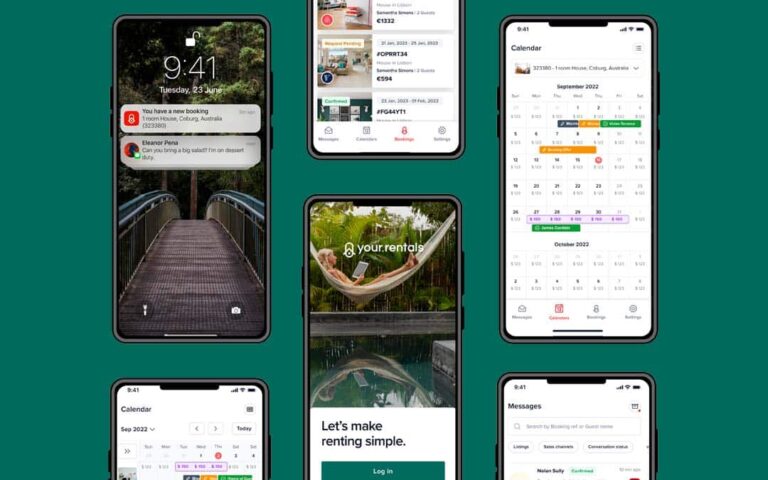
Moreover, modern property management software offers features like digital lease signing, background checks, rent reminders, and maintenance request tracking. These tools not only save time but also help landlords maintain professionalism and transparency.
Real-World Platforms for Listing and Managing Your Rental Property
Here are some of the most effective platforms homeowners can use when they say, “I want to rent my house.”
Zillow Rental Manager
Zillow Rental Manager simplifies the rental process for homeowners. You can list your property, set a competitive price, and screen tenants all in one dashboard. The platform integrates credit checks, eviction reports, and application forms digitally.
What makes Zillow particularly powerful is its reach; listings appear on Zillow, Trulia, and HotPads simultaneously, giving your property maximum exposure. It’s an excellent choice for owners who want full control over their listing performance.
Apartments.com
Apartments.com caters to both individual landlords and property managers. Its intuitive interface allows you to upload virtual tours, post unlimited photos, and communicate with tenants directly.
The platform’s “RentComps” feature helps landlords analyze market rates by comparing local listings, ensuring that your pricing remains competitive. It’s ideal for homeowners looking for long-term tenants.
Avail (by Realtor.com)
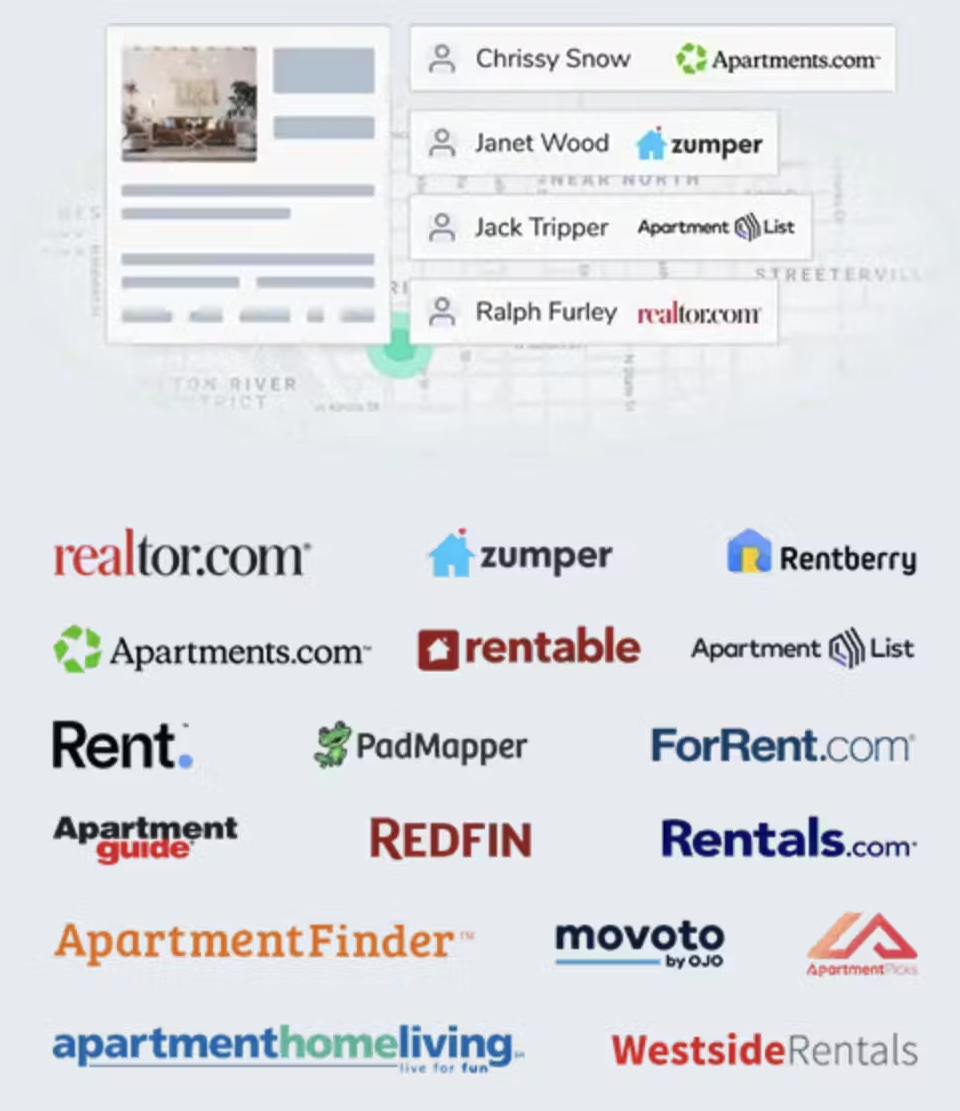
Avail is a great choice for landlords who want a full-service solution. It allows users to post listings across multiple rental sites, screen tenants, sign leases digitally, and collect rent online.
Avail also provides automated reminders and customizable lease templates, making it perfect for owners new to the rental market. Its user-friendly dashboard provides transparency for both landlords and tenants.
Realtor.com Rentals
Realtor.com is one of the most trusted names in real estate. Its rental section allows property owners to list homes with detailed neighborhood data, including nearby schools, transportation options, and amenities.
This added context attracts informed renters who are more likely to stay longer. Realtor.com also gives your property a professional presentation, enhancing credibility with potential tenants.
Facebook Marketplace Rentals
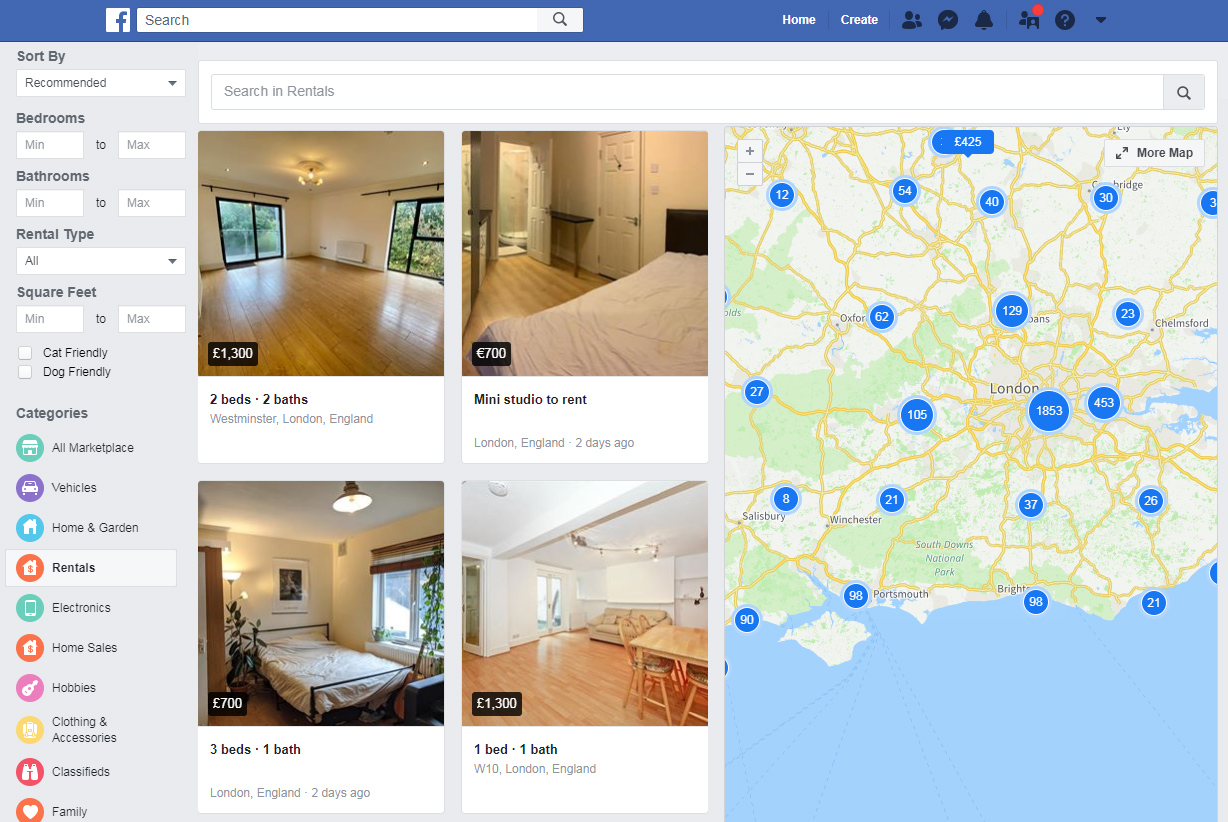
For homeowners looking for local renters, Facebook Marketplace can be an effective option. Listings are free and reach people in your community instantly.
You can interact with potential tenants directly through Messenger and filter inquiries based on location, budget, or preferences. This makes Facebook an excellent platform for smaller properties or short-term rentals.
Key Benefits of Listing Your House for Rent Online
Listing your house online provides several significant advantages:
- Broader Visibility – Your property reaches thousands of renters searching across major platforms.
- Efficiency – Online tools streamline listing creation, tenant screening, and rent collection.
- Transparency – Prospective tenants can view verified property details and images before contacting you.
- Data Insights – Platforms like Zillow provide analytics that show how your listing performs in real time.
- Ease of Management – Digital tools automate many tasks, reducing the manual effort of being a landlord.
Practical Use Cases
Use Case 1: Renting a Second Home for Extra Income
A homeowner with a second property in a high-demand neighborhood lists it on Zillow Rental Manager. Within days, the listing receives several qualified inquiries. The landlord screens tenants using Zillow’s built-in background check tools and signs the lease digitally, generating consistent monthly income.
Use Case 2: Managing a Rental While Living Abroad
An expatriate homeowner uses Avail to manage their rental property remotely. The software handles rent collection, maintenance requests, and lease renewals automatically. This allows the owner to maintain their property without needing a local agent.
Use Case 3: Turning an Empty House into an Investment
A homeowner who recently moved into a new residence decides to rent out their old home instead of selling it. They list it on Apartments.com, upload professional photos, and attract long-term tenants. The rental income covers the mortgage, turning an unused property into a financial asset.
Advantages of Using Property Management Software
Beyond listing, property management software helps landlords handle ongoing operations efficiently. Features like rent tracking, expense management, and digital document storage make it easier to manage finances and tenant relationships.
It also enhances communication tenants can report maintenance issues or pay rent through mobile apps, creating a more convenient experience for both sides. For owners managing multiple properties, automation can save hours every month.
Common Mistakes to Avoid When Renting Out Your House
Even well-intentioned landlords can make errors that delay the rental process. Here are some to avoid:
- Overpricing your property due to emotional attachment or ignoring market data.
- Using poor-quality photos that fail to showcase the home’s appeal.
- Skipping tenant screening, which increases the risk of late payments or property damage.
- Neglecting maintenance leads to costly repairs later.
- Not updating the listing regularly, which can make it appear stale or unavailable.
Avoiding these pitfalls helps you attract trustworthy tenants and maintain your home’s long-term value.
Frequently Asked Questions
1. Do I need a property manager to rent my house?
Not necessarily. Many homeowners use platforms like Avail or Zillow Rental Manager to manage the process themselves. However, for those who lack time or experience, hiring a professional property manager can help handle tenants and maintenance efficiently.
2. How long does it take to rent a house?
It depends on location, price, and property condition. On average, well-priced homes with professional photos rent within two to four weeks in competitive markets.
3. What are the most important things tenants look for?
Tenants prioritize location, cleanliness, safety, and fair pricing. Features like modern appliances, parking, and proximity to schools or transport can also make a big difference.