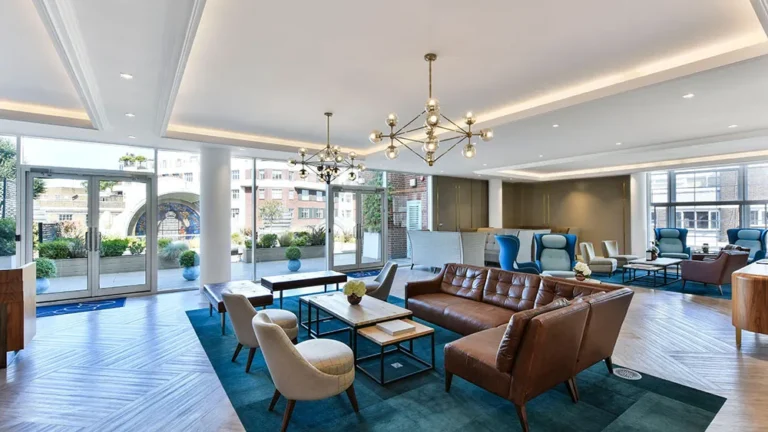
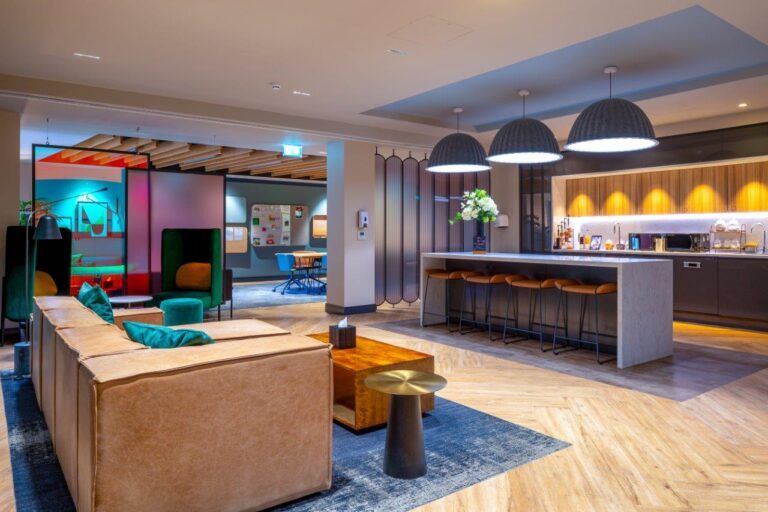
Serviced Office Space to Rent: Flexible, Professional, and Ready-to-Use Workspaces for Modern Businesses
The modern business landscape is changing fast, and so are workspace needs. Gone are the days of long-term commercial leases and expensive fit-outs. Today’s companies, from startups to global corporations, are turning to serviced office spaces to rent, a flexible and cost-efficient way to operate in premium locations without the burden of traditional office ownership.
This article explores everything about serviced office spaces available for rent, including their benefits, technological advantages, real-world examples, and how they support diverse business operations in the 21st century.
Understanding Serviced Office Space to Rent
A serviced office space is a fully managed, ready-to-use workspace provided by an operator who takes care of the setup, utilities, maintenance, and administrative support. Businesses can rent an office for short or flexible terms, typically from a month to a year, without committing to long leases.
These offices come fully furnished and equipped with essential amenities such as high-speed internet, meeting rooms, reception services, and cleaning. Everything is managed by a professional operator, allowing tenants to focus solely on running their business.
This model is particularly attractive for companies that value agility, cost control, and professional presentation, ideal for startups, project teams, or international firms establishing local offices.
How Serviced Office Space to Rent Works
When a business rents a serviced office space, it enters into an all-inclusive agreement that covers rent, utilities, maintenance, and access to shared facilities. Unlike traditional leasing, there’s no need to deal with multiple vendors or long-term contracts.
Operators like Regus, Spaces, and The Office Group handle all the logistics, offering flexibility in both size and duration. Whether you need a private office for two people or an entire floor for a project team, the setup is immediate and fully functional.
Additionally, many serviced offices include coworking lounges, kitchens, and breakout areas, encouraging collaboration and creativity across businesses.
Why Companies Choose Serviced Office Space to Rent
The shift toward serviced office rentals is driven by three major trends: flexibility, technology, and the evolving nature of work. Businesses no longer want to be tied down by rigid lease terms or high capital costs.
Instead, they prefer adaptable spaces that can grow or shrink according to business demands. Serviced offices enable this flexibility while maintaining a professional environment.
Moreover, the integration of modern technology, such as cloud-based access control, digital booking systems, and video conferencing, allows hybrid teams to work seamlessly between physical and remote settings.
Benefits of Using Technology in Serviced Office Space
Technology is one of the defining elements of modern serviced offices. It transforms traditional workspaces into smart, connected environments that boost productivity and collaboration.
Serviced office providers use advanced digital tools to manage bookings, optimize space utilization, and enhance the tenant experience. Mobile apps allow users to reserve meeting rooms, request support, and manage memberships instantly.
Most spaces feature high-speed, enterprise-grade Wi-Fi, secure cloud printing, and smart conference rooms equipped with audiovisual technology. These tools help businesses operate smoothly, whether conducting hybrid meetings or collaborating with global teams.
Furthermore, automation systems control lighting, temperature, and energy efficiency, creating a sustainable, tech-driven workplace that aligns with modern business values.
Real-World Examples of Serviced Office Space to Rent
Regus Serviced Offices
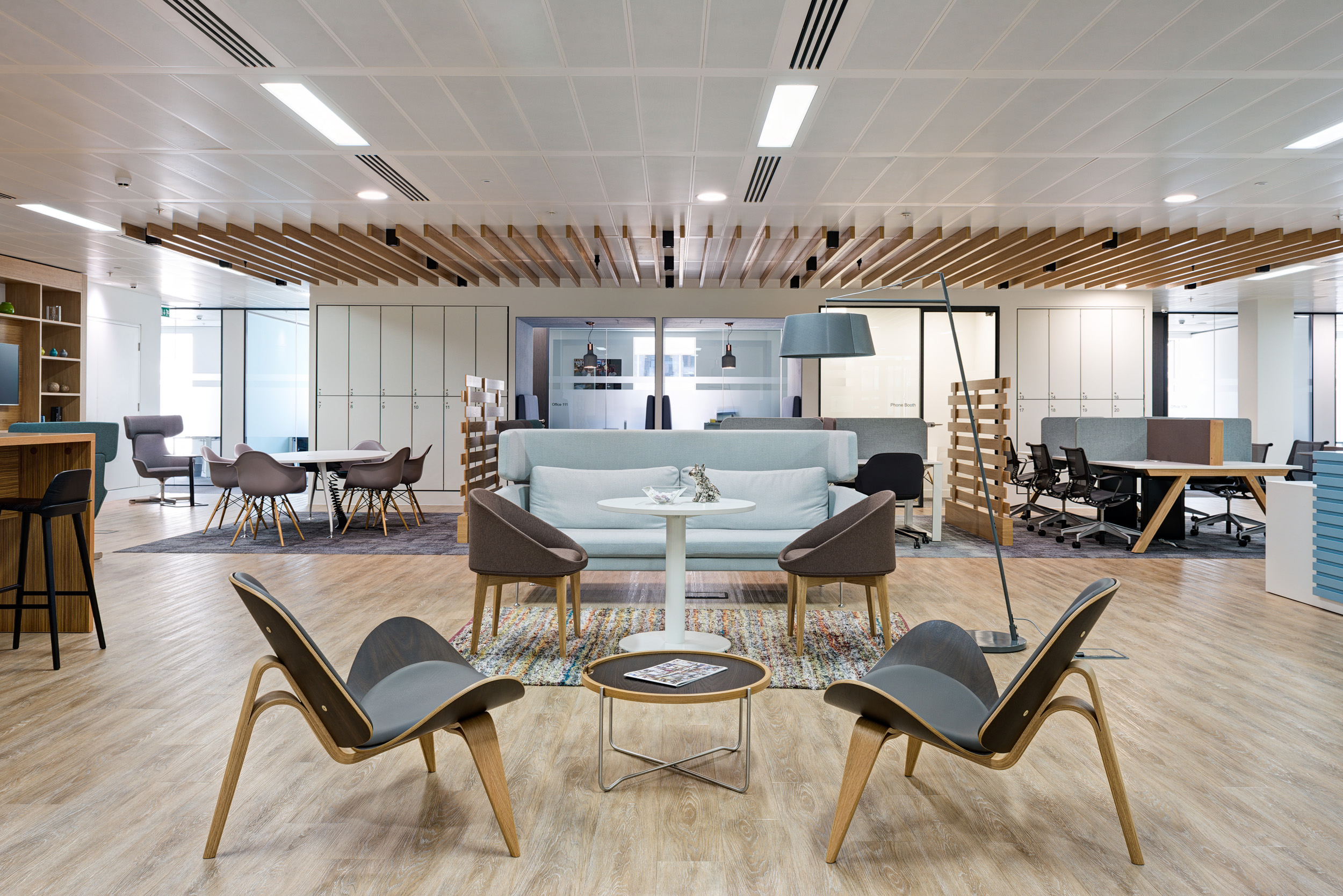
Regus, one of the world’s largest flexible workspace providers, offers serviced offices in over 120 countries. Each office is fully equipped with furniture, IT infrastructure, and administrative support.
Regus’s appeal lies in its global consistency; businesses can maintain a professional image across multiple cities while enjoying short-term flexibility. The Regus app also allows seamless room booking and access to thousands of locations worldwide.
Spaces by IWG
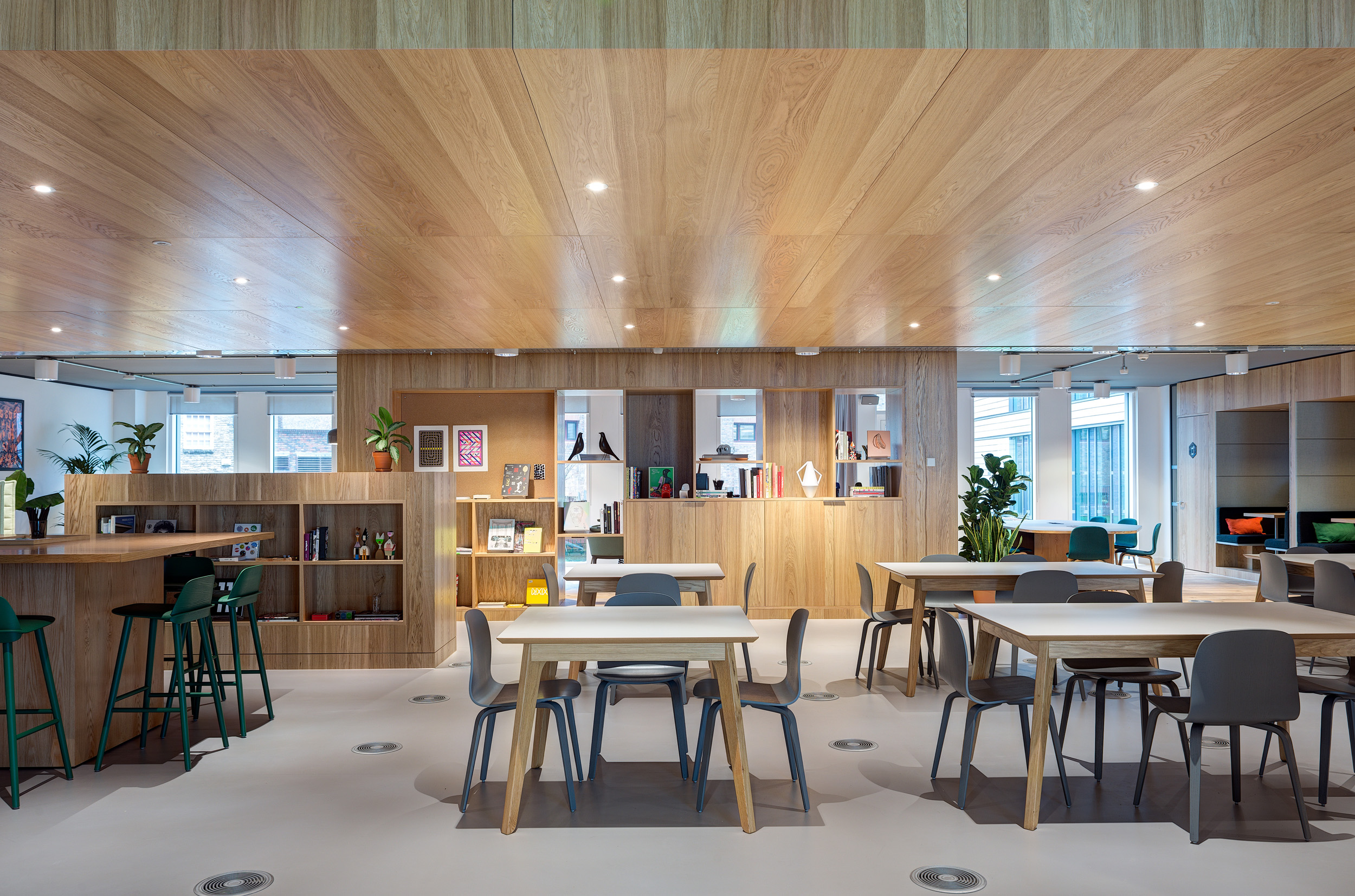
Spaces, part of the IWG group, is designed for creativity and collaboration. These serviced offices combine modern design with a community-driven atmosphere, attracting startups and remote professionals.
Each location features high-speed internet, flexible membership options, and access to events and networking sessions. Spaces’ technology integration from mobile room reservations to virtual access passes supports hybrid work models effectively.
The Office Group (TOG)
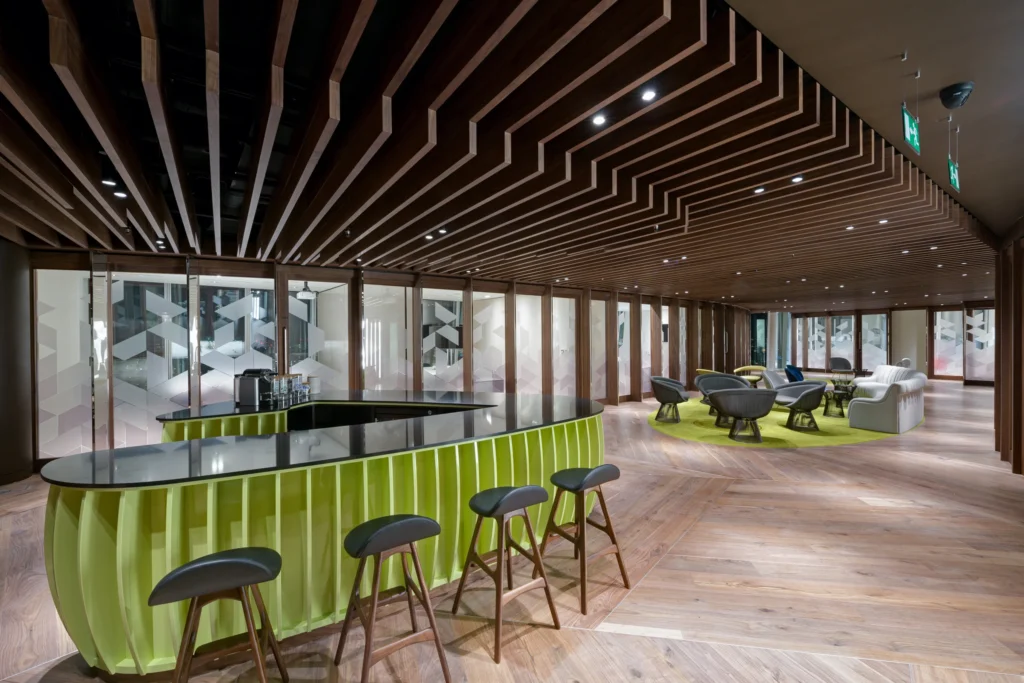
The Office Group offers serviced office spaces with a focus on design and sustainability. Their properties often feature eco-friendly materials, natural lighting, and ergonomic layouts that enhance well-being and productivity.
TOG uses smart technology for energy management, security, and access control. Its blend of aesthetics and functionality attracts architects, creative agencies, and consulting firms seeking a high-end yet flexible office solution.
WeWork

WeWork’s serviced offices emphasize community, technology, and global accessibility. Each space is equipped with modern facilities such as smart access cards, enterprise Wi-Fi, and integrated conferencing tools.
WeWork’s WeWork app connects members globally, enabling room bookings, event registration, and collaboration between companies within the WeWork network. It’s ideal for digital-first teams and entrepreneurs who value flexibility and innovation.
Knotel
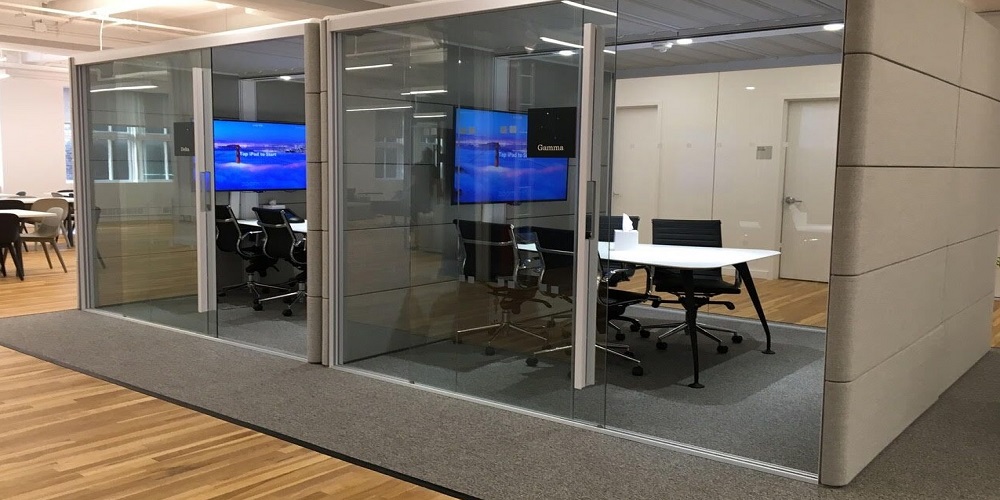
Knotel provides customizable serviced office spaces tailored to each company’s brand and operational needs. Unlike standard models, Knotel offers flexibility in interior design, branding, and IT configuration.
Its tech-powered management system enables real-time facility tracking and maintenance alerts. This makes it a popular choice among mid-sized enterprises and corporate project teams that require adaptable, branded spaces.
Practical Benefits of Serviced Office Space to Rent
Renting a serviced office provides tangible benefits for businesses of all sizes:
- Immediate Setup: Move in and start working without delays or installations.
- Cost Predictability: One monthly fee covers rent, utilities, and maintenance.
- Scalability: Expand or downsize easily according to team size and project duration.
- Professional Environment: Enjoy premium locations and facilities that impress clients.
- Networking Opportunities: Shared areas encourage collaboration and partnership between tenants.
For companies navigating uncertain economic conditions, these advantages make serviced offices a strategic and financially sound choice.
Use Cases of Serviced Office Space to Rent
Startups and Entrepreneurs
For early-stage companies, serviced offices eliminate the need for upfront investments in office setup. Entrepreneurs can access professional facilities and business addresses instantly, projecting credibility while maintaining flexibility.
Remote and Hybrid Teams
As remote work becomes the norm, serviced offices offer hybrid solutions spaces where teams can gather periodically without committing to full-time leases. Technology integrations like digital access cards and cloud systems make this seamless.
Expanding International Businesses
Serviced offices allow global firms to establish regional offices quickly. With standardized service levels and administrative support, companies can operate efficiently in new markets without logistical complications.
Project-Based and Seasonal Teams
Organizations with temporary projects, such as legal cases, events, or product launches, benefit from serviced offices that can be rented for short durations with all resources included.
The Role of Design and Environment in Modern Serviced Offices
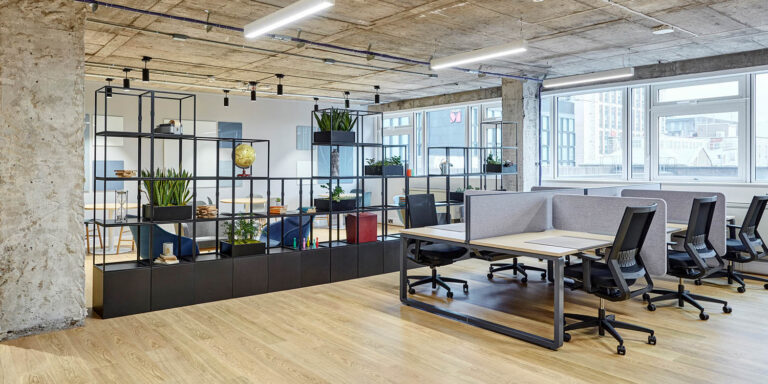
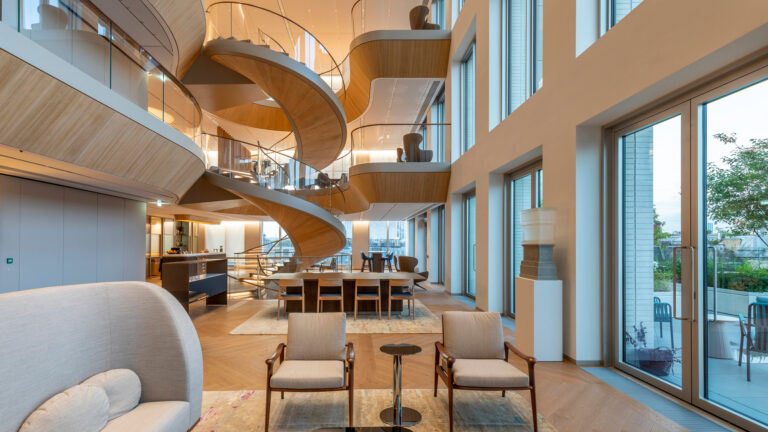
Design plays a key role in how serviced office spaces function. The best providers use ergonomic layouts, natural lighting, and biophilic design elements to boost employee satisfaction and creativity.
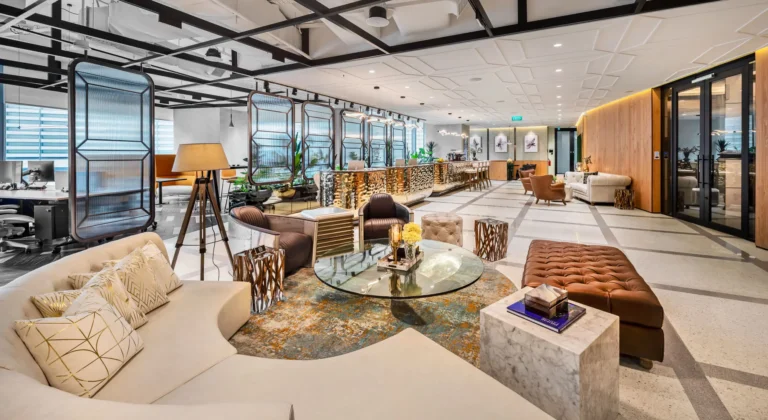
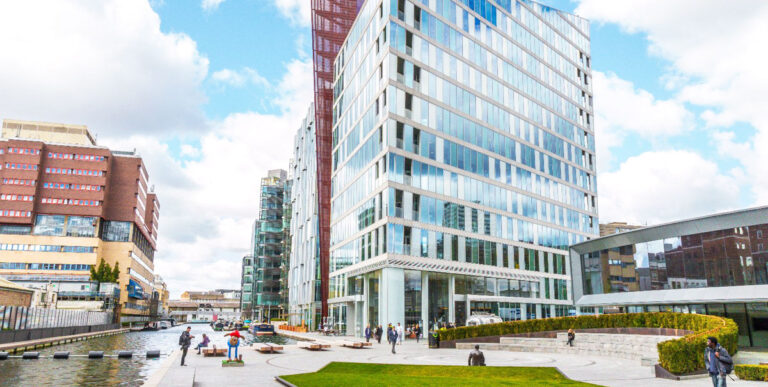
These offices are often located in prestigious city areas, ensuring both accessibility and brand visibility. The blend of private offices, open coworking zones, and lounge areas fosters a balance between focus and collaboration.
Modern serviced offices also integrate wellness features such as quiet zones, air purification systems, and on-site cafés catering to the holistic needs of the modern workforce.
Future Trends in Serviced Office Space Rentals
The serviced office industry continues to evolve rapidly, with emerging trends shaping its future:
- Hybrid Work Models: More companies will use serviced offices as flexible satellite hubs for hybrid employees.
- Smart Office Technology: AI-driven management systems will optimize energy usage, occupancy, and space design.
- Sustainability: Providers are adopting carbon-neutral practices and renewable energy systems.
- Experience-Centric Spaces: Future offices will prioritize wellness, collaboration, and personalized environments.
These trends signal a major transformation in how businesses view workspaces not just as physical locations, but as ecosystems that drive innovation and connection.
Frequently Asked Questions
1. What’s included in a serviced office rental agreement?
A typical serviced office agreement includes the workspace, furniture, high-speed internet, cleaning, utilities, and access to shared amenities such as meeting rooms and lounges. The provider handles all maintenance and administrative services.
2. How flexible are the lease terms for serviced offices?
Serviced office leases are extremely flexible. Businesses can rent spaces for as short as one month or extend long-term, depending on operational needs. Adjustments in size and duration are also easily accommodated.
3. Are serviced offices suitable for large corporations?
Yes. Many large organizations use serviced offices for project teams, regional headquarters, or innovation hubs. The scalability and professional management make them suitable for both small and enterprise-level businesses.