Rent Out Your Place: A Complete Guide to Turning Your Home into a Profitable Rental
Renting out your property can be one of the smartest financial decisions you make, whether you’re moving temporarily, looking to generate passive income, or exploring real estate investment. The keyword “rent out your place” has gained traction among homeowners and travelers seeking to monetize their spaces effectively.
In this guide, you’ll discover how to rent out your place successfully, the role of digital platforms, and how technology has transformed the rental experience.
In this guide, you’ll discover how to rent out your place successfully, the role of digital platforms, and how technology has transformed the rental experience.
What It Means to Rent Out Your Place
:max_bytes(150000):strip_icc()/buying-your-first-investment-property-top-10-tips.asp-ADD-Color-074cf6b2f8434f4fbc8d94edeb361cd6.jpg)
To rent out your place simply means offering your property, be it an apartment, a spare room, or an entire home, for others to stay in temporarily in exchange for rent. This can be done through short-term platforms like Airbnb or long-term lease agreements with tenants.
The concept has grown dramatically with the rise of the sharing economy. Instead of leaving properties vacant, homeowners now leverage online tools and apps to connect with renters quickly and securely. Whether you’re renting for a weekend or a year, knowing how to manage the process effectively determines your success and profitability.
The Modern Way to Rent Out Your Place
The traditional approach of finding tenants through classified ads has evolved into a highly digital process. Modern property owners now use platforms that automate listings, screen tenants, manage payments, and even handle maintenance requests.
By renting out your place online, you not only expand your reach but also gain access to global renters. Many platforms allow instant booking, review systems, and smart pricing algorithms to help maximize occupancy rates.
This combination of automation and data analytics empowers even first-time landlords to operate professionally and profitably.
Benefits of Using Technology to Rent Out Your Place
Technology has completely transformed how homeowners manage rental properties. Let’s look at the key benefits it provides:
Global Exposure and Easy Marketing
Online rental platforms allow your property to be seen by thousands of potential renters worldwide. You no longer have to rely on word of mouth or local agents; just create an appealing listing with professional photos, and technology does the rest.
Automated Pricing and Calendar Management
Many digital tools now use dynamic pricing algorithms that adjust rent automatically based on demand, seasonality, and local events. This ensures your rates stay competitive while maximizing revenue.
Streamlined Communication and Payments
Messaging systems and integrated payment gateways help maintain transparent and fast communication between renters and hosts. It minimizes the risk of fraud and ensures timely transactions.
Remote Management
Smart home technology enables landlords to manage their properties remotely. From digital locks to automated cleaning schedules, tech makes property management smoother and more convenient.
Real-World Examples of Platforms That Help You Rent Out Your Place
Let’s explore some of the most trusted platforms that simplify the process of renting out your property and how they’ve revolutionized the market.
Airbnb
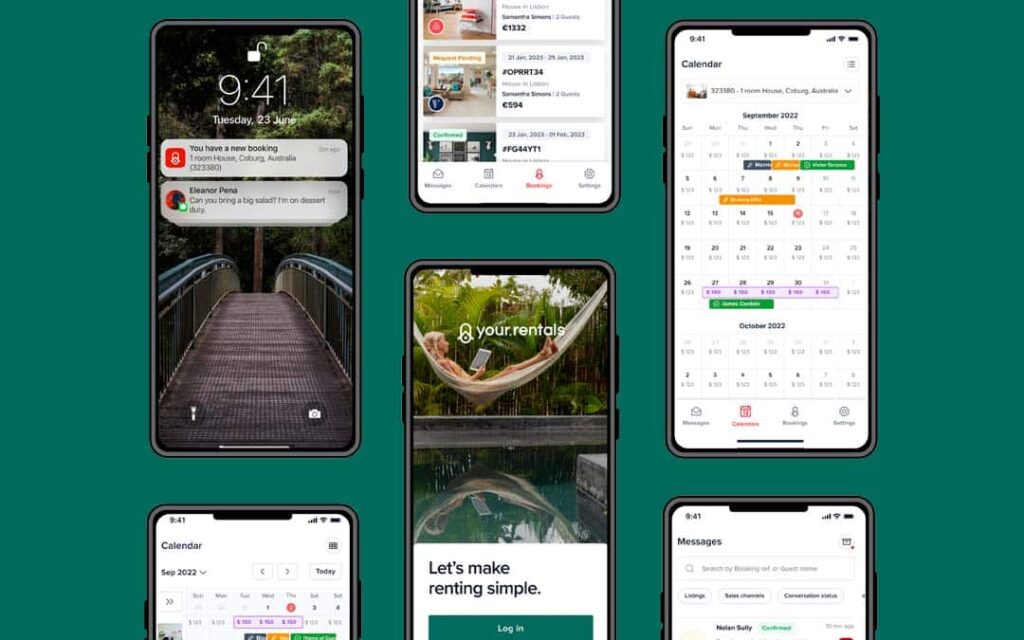
Airbnb is arguably the most recognized name in short-term rentals. It allows homeowners to rent out a room, apartment, or entire house to travelers worldwide. What makes Airbnb stand out is its user-friendly platform and built-in protection policies for hosts.
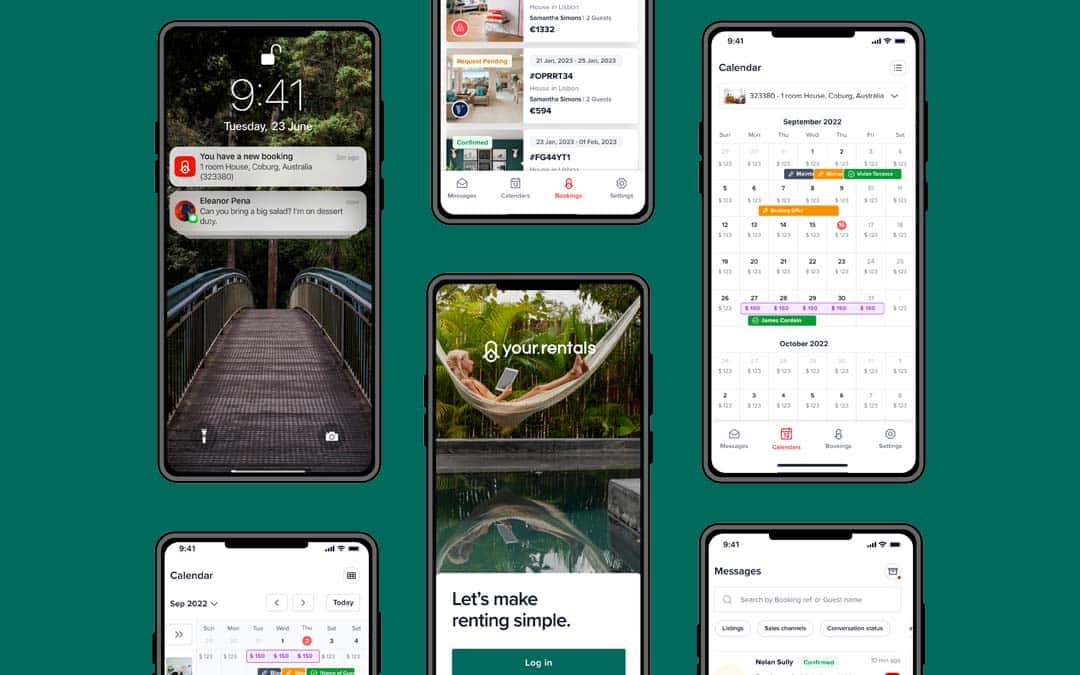
Hosts can manage listings, communicate with guests, and control pricing all through one app. Airbnb’s “Smart Pricing” tool automatically adjusts rates based on demand and nearby competition, ensuring hosts stay competitive. For those who want flexibility and a consistent income, Airbnb is one of the best tools available.
Vrbo
Vrbo (Vacation Rentals by Owner) focuses on longer stays and family-friendly properties. It appeals to owners of vacation homes, cabins, and beachfront properties.
Vrbo’s platform integrates strong booking protection and allows property owners to manage availability, pricing, and reviews. It’s ideal for those seeking a more traditional vacation rental market without the fast guest turnover typical of Airbnb.
Booking.com
Originally a hotel booking site, Booking.com has expanded into private property rentals. It offers immense global visibility for homeowners and includes integrated payment and verification systems.
Hosts benefit from Booking.com’s marketing reach and multilingual customer support, making it perfect for landlords who want to attract international guests.
Zillow Rental Manager
For long-term leases, Zillow Rental Manager is a top option. It allows landlords to list their homes, collect rent online, and screen potential tenants through background checks.
The platform provides detailed insights into local market trends, helping you set competitive rent prices. Zillow’s combination of technology and credibility makes it ideal for those looking to rent residential homes for extended stays.
Apartments.com

Apartments.com specializes in connecting landlords with tenants for apartments, condos, and houses. It offers comprehensive property management tools, including application tracking and tenant verification.
Its strong SEO presence means listings get high visibility in search results, increasing the chances of finding reliable renters quickly.
Practical Benefits of Renting Out Your Place
Renting out your property isn’t just about generating extra income—it can also serve as a powerful financial and lifestyle strategy.
Additional Income Stream
Whether you’re covering your mortgage, saving for future investments, or generating retirement income, renting out your property creates a reliable cash flow source.
Flexibility for Homeowners
Many homeowners use short-term rentals to maintain flexibility. For instance, you can rent your place when you’re away and occupy it again when needed.
Asset Utilization
A vacant home represents a missed opportunity. Renting it out turns your asset into a revenue generator, improving its return on investment.
Tax and Depreciation Benefits
Depending on your location, you may qualify for tax deductions on property expenses, maintenance, and depreciation, further increasing your net profit.
Real-Life Use Cases: Why Renting Out Your Place Works
Case 1: The Traveling Professional
Sarah, a marketing consultant, travels frequently for work. Instead of leaving her apartment empty, she lists it on Airbnb during her trips. The extra income covers her rent and utilities while she’s away, making her lifestyle financially sustainable.
Case 2: The Property Investor
Mark owns multiple homes across different cities. By using platforms like Vrbo and Booking.com, he manages his portfolio remotely, maintaining consistent occupancy and long-term profitability.
Case 3: The Homeowner with Extra Space
Jessica turned her unused basement into a studio rental. With minimal renovation and an online listing, she gained an additional $1,000 per month, helping pay down her mortgage faster.
Benefits of Using Technology for Rental Management
Technology doesn’t just simplify property rental; it enhances profitability, efficiency, and tenant satisfaction.
Smart Home Integrations
Smart locks, security cameras, and thermostats allow remote management of the property, ensuring safety and convenience.
Data Analytics and Market Insights
Digital tools analyze pricing trends and local competition, helping owners make informed decisions about rental rates and demand cycles.
Automated Maintenance Scheduling
Some apps automatically assign maintenance tasks to local service providers, reducing downtime and improving the renter’s experience.
Enhanced Tenant Screening
AI-driven tenant screening tools assess applicant reliability using financial history, rental records, and background checks, minimizing risk.
The Future of Renting Out Your Place

The rental market continues to evolve as technology and lifestyle trends shift. With the growth of remote work and digital nomadism, short-term rentals have surged globally. Platforms now offer more security, data transparency, and flexibility than ever before.
As sustainability becomes a priority, eco-friendly rental management solutions like energy monitoring and waste reduction systems will further enhance property value.
Whether you’re a casual host or a full-time landlord, mastering the digital tools available will keep you competitive and profitable in the modern rental economy.
Frequently Asked Questions
1. Do I need a license to rent out my place?
This depends on local regulations. Some cities require hosts to obtain short-term rental permits, while others allow unrestricted renting. Always check local zoning laws before listing.
2. How can I make my property stand out to renters?
High-quality photos, accurate descriptions, and quick response times can significantly increase booking rates. Amenities like Wi-Fi, cleanliness, and flexible check-ins also attract more guests.
3. What risks should I consider before renting out my place?
Potential risks include property damage, late payments, and regulatory issues. Using verified platforms and rental insurance helps mitigate these risks effectively.