Private Serviced Office: The Ultimate Guide to Secure and Flexible Workspace Solutions for Modern Businesses
In today’s rapidly changing business environment, companies are rethinking how and where they work. The rise of hybrid teams, flexible working hours, and the need for operational agility have transformed traditional office expectations. One solution stands out for combining flexibility with exclusivity: the private serviced office.
This article explores what private serviced offices are, their benefits, key examples, how technology empowers them, and why they’re becoming essential for startups, SMEs, and large enterprises alike.
Understanding What a Private Serviced Office Is
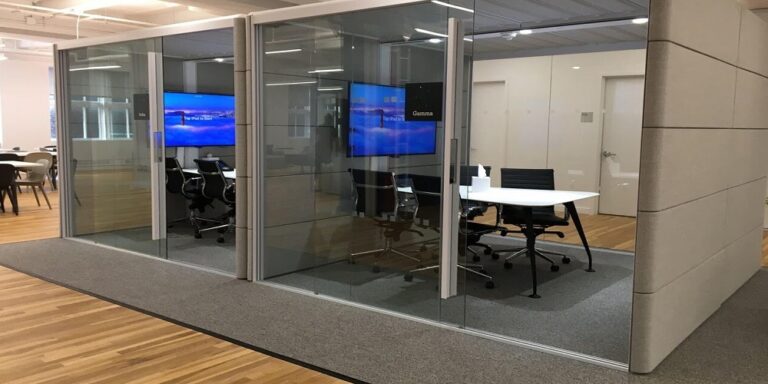
A private serviced office is a fully furnished, ready-to-use workspace managed by a third-party operator but exclusively occupied by a single company or team. Unlike traditional coworking spaces, where multiple businesses share the same floor or open area, a private serviced office provides privacy, control, and brand identity while maintaining the convenience of managed services.
Typically, the monthly rental fee covers all operational costs, including rent, utilities, cleaning, high-speed internet, maintenance, and security. This eliminates the need for long-term lease agreements and upfront investment in infrastructure, making private serviced offices an efficient and cost-effective choice for growing businesses.
Why Private Serviced Offices Are Different from Coworking Spaces
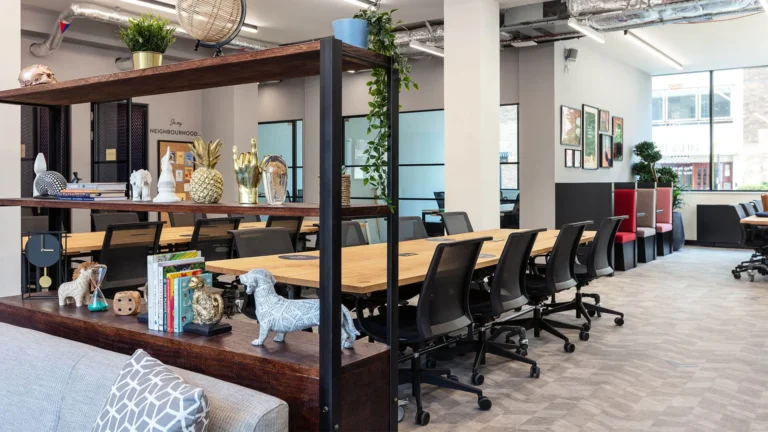
While coworking environments focus on shared collaboration, private serviced offices offer dedicated space that can be locked and customized to reflect your company’s identity. Teams benefit from autonomy and quiet focus — without the distractions often associated with open-plan coworking areas.
This makes private serviced offices ideal for professionals handling sensitive information (e.g., legal, finance, or consulting firms) or teams needing uninterrupted workflow.
Key Features of Private Serviced Offices
Private serviced offices combine flexibility, convenience, and exclusivity. Here are their defining characteristics:
- Dedicated, Enclosed Space: Occupied by one company, ensuring full privacy and control.
- Fully Furnished Setup: Ergonomic furniture, décor, and layout tailored for productivity.
- All-Inclusive Pricing: A single monthly bill covers rent, electricity, internet, and maintenance.
- Flexible Lease Terms: Choose from short or long-term options with the ability to scale.
- Professional Facilities: Access to shared amenities such as meeting rooms, lounges, and reception services.
- Custom Branding Options: Businesses can personalize interiors to match their visual identity.
- Secure Infrastructure: Keycard or biometric access systems ensure confidentiality.
Private serviced offices offer the same comfort as a traditional office, minus the administrative and logistical burdens.
The Growing Popularity of Private Serviced Offices
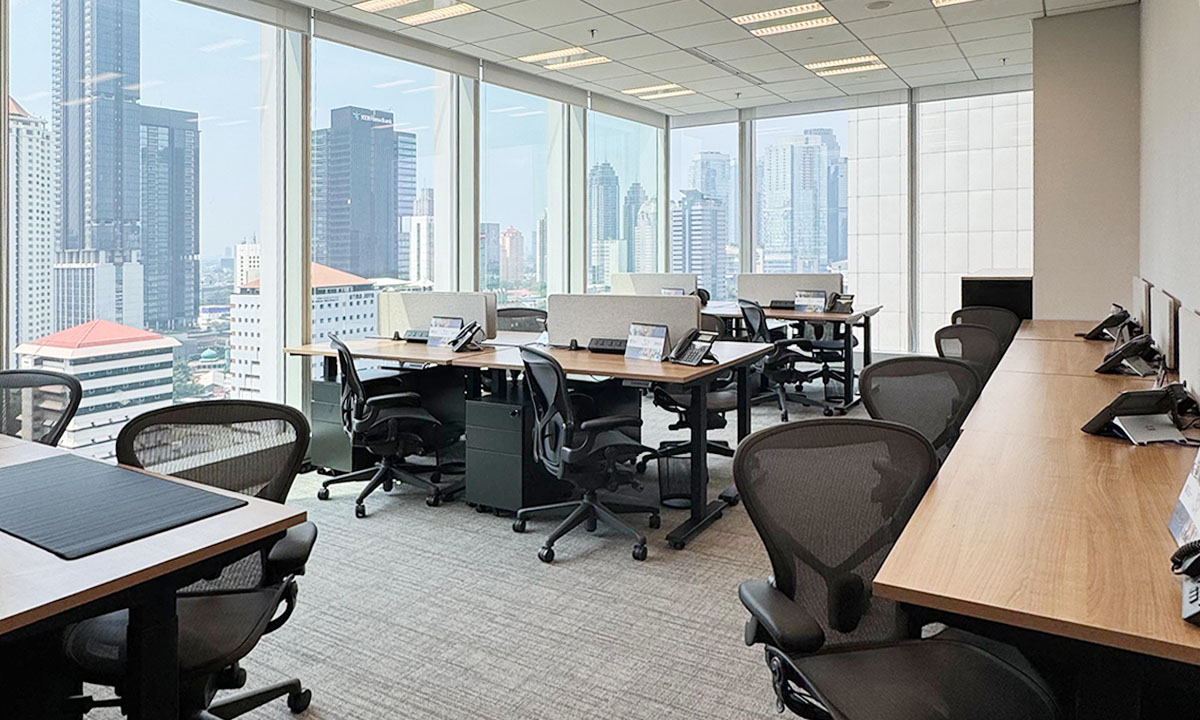
The global demand for private serviced offices has grown significantly, driven by economic uncertainty, hybrid work models, and evolving employee expectations. According to market trends, companies are seeking cost-efficient yet professional workspaces that enable focus, flexibility, and collaboration.
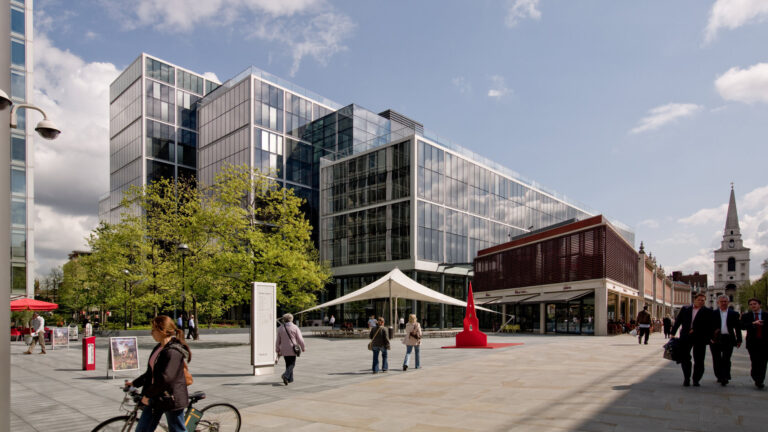
In major business hubs like London, New York, Singapore, and Dubai, serviced office providers now dedicate entire floors to private offices. These spaces cater to enterprises that value brand integrity, team cohesion, and confidential operations, all within flexible terms.
For startups, private serviced offices offer scalability and immediate readiness. For established corporations, they provide satellite locations or regional hubs that complement global expansion strategies.
Real-World Examples of Private Serviced Offices
Below are several real-world examples showcasing how private serviced offices operate and the advantages they deliver.
WeWork Private Office Suite
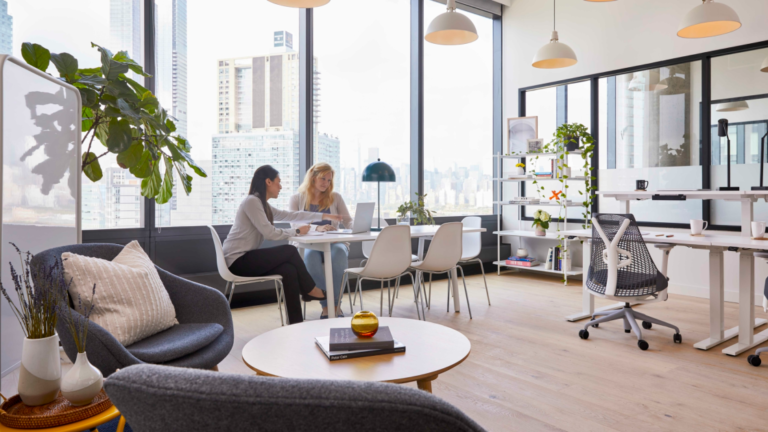
WeWork’s Private Office Suites are among the most recognized examples of exclusive serviced workspaces. Each suite is fully enclosed, acoustically treated, and designed to accommodate teams from 2 to 100 members.
What sets these offices apart is WeWork’s combination of modern design and technology integration. Businesses enjoy access to community amenities like cafés and meeting rooms while retaining full control over their private space. For hybrid teams, WeWork also offers customizable access options, enabling staff to use other locations globally.
The Office Group (TOG) Private Offices
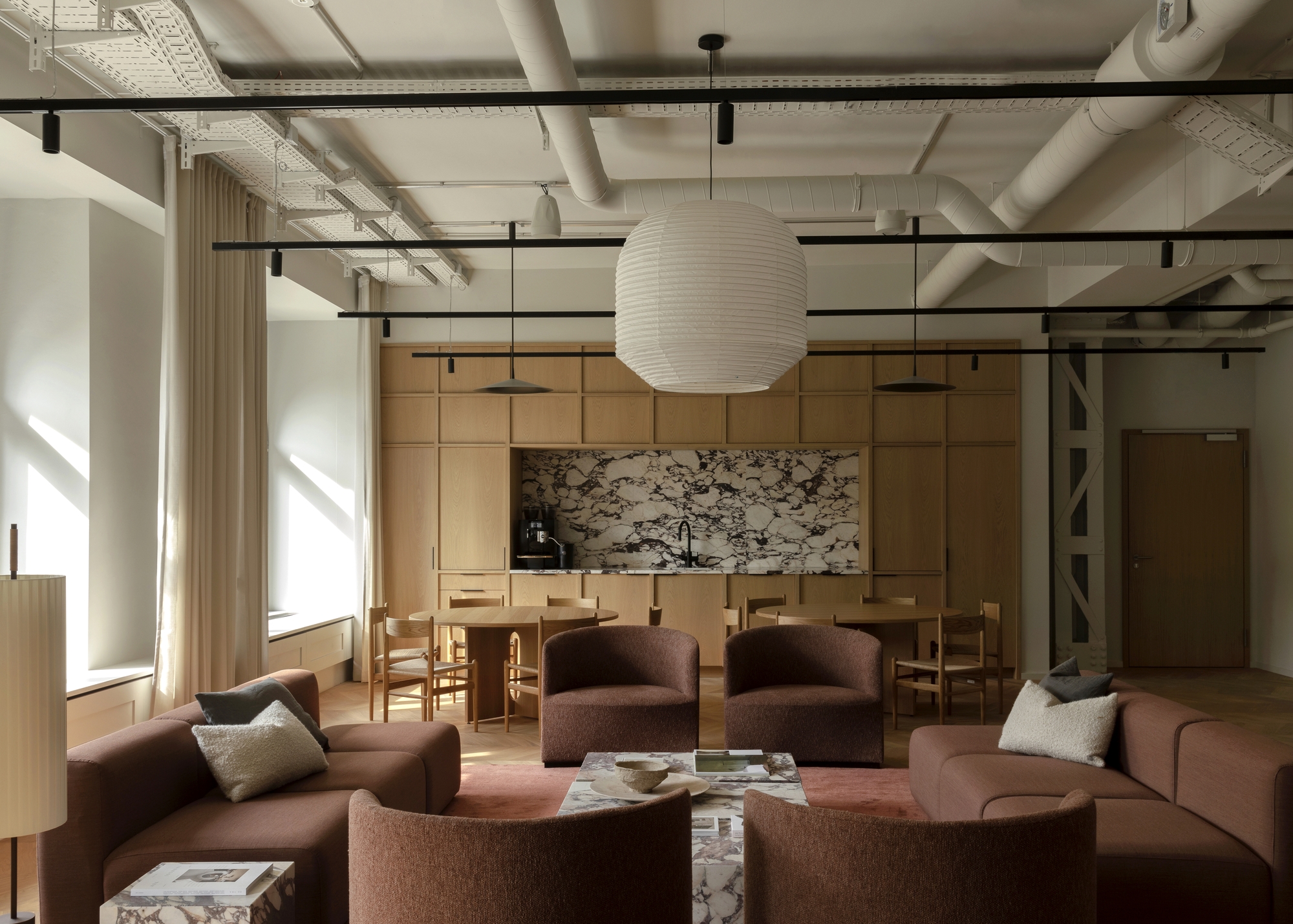
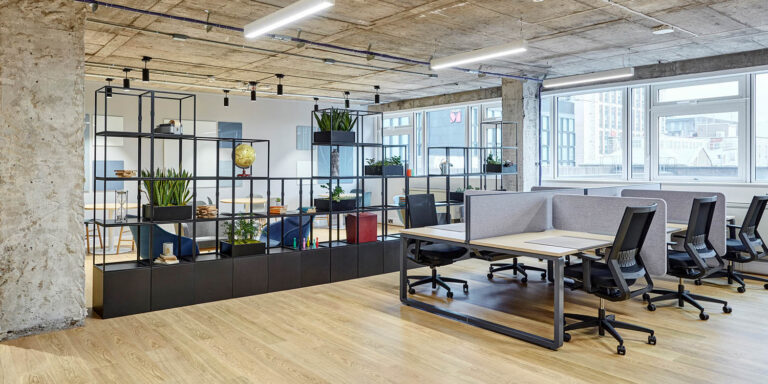
TOG operates stylish private serviced offices across the UK and Europe. Their spaces often feature historic architecture paired with modern interiors. Each office can be tailored to the company’s branding, from wall colors to furniture selection.
Companies like architects, creative agencies, and law firms choose TOG for its balance of design sophistication and privacy. Tenants benefit from in-house IT support, professional reception services, and flexible lease arrangements that allow seamless expansion.
Regus Private Office Spaces
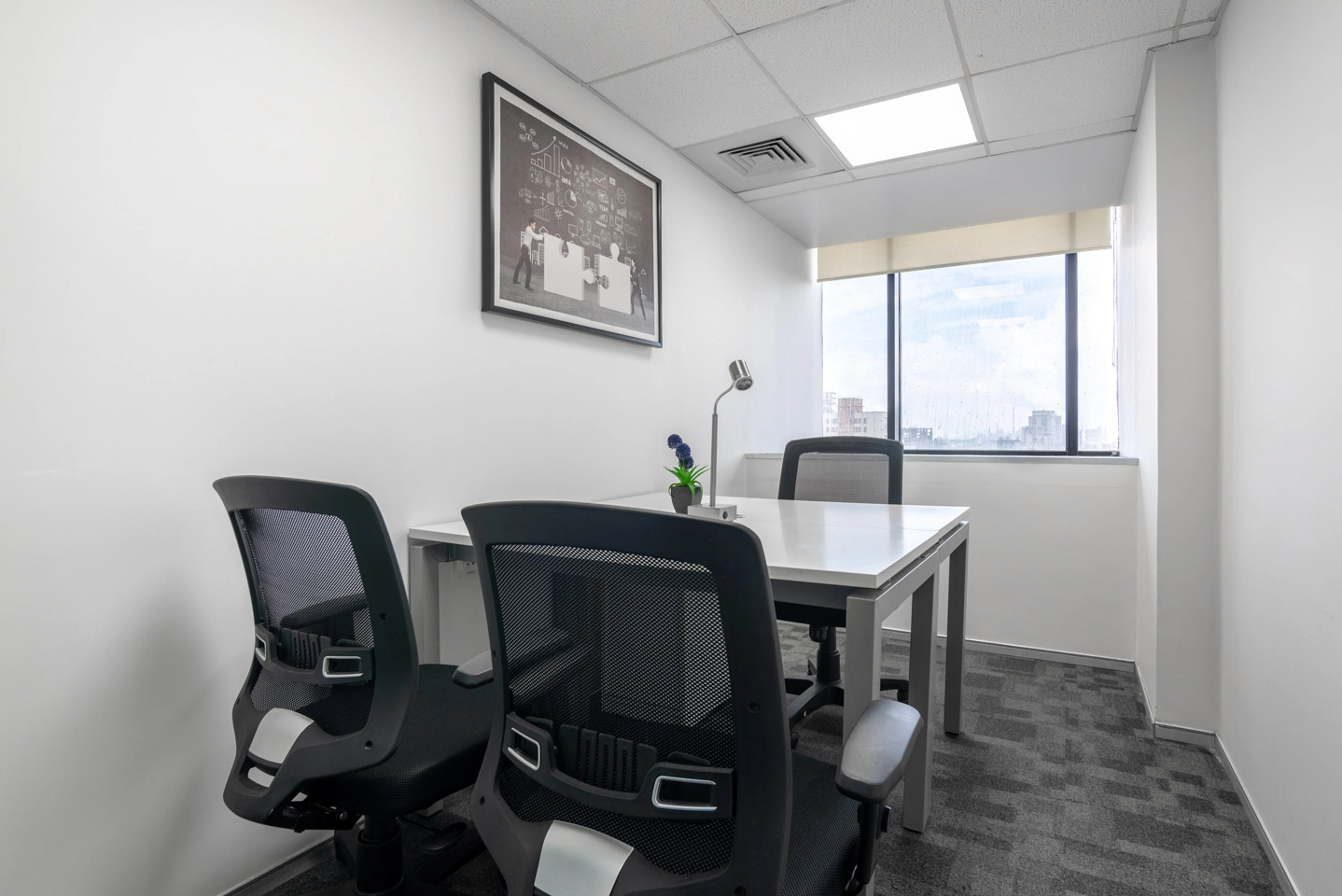
Regus, a global leader in workspace solutions, offers private serviced offices that can be rented for short or extended periods. Each space includes secure access, professional-grade internet, and full facility management.
Regus offices appeal to corporate teams and freelancers alike, especially those requiring confidential discussions or client meetings. Their global presence allows organizations to establish multiple private offices across regions under one service agreement.
Spaces by IWG Private Offices
Spaces offers private offices that foster creativity and concentration. These rooms are equipped with adjustable desks, natural light, and acoustically insulated walls.
Spaces is popular among tech startups and digital agencies for its contemporary environment and hybrid-friendly infrastructure. Teams can collaborate in shared lounges while having a secure private area for focused work or confidential projects.
The Executive Center Private Offices
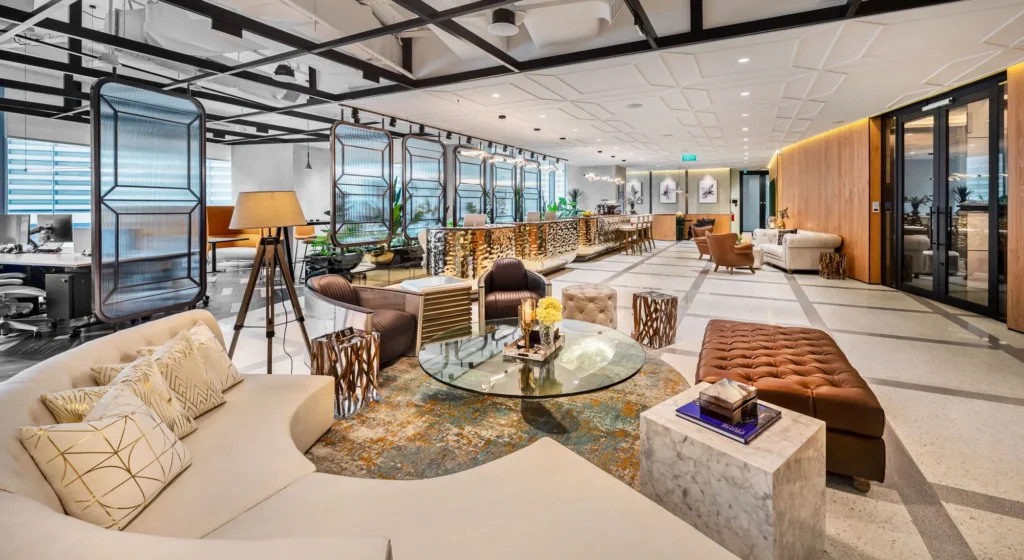
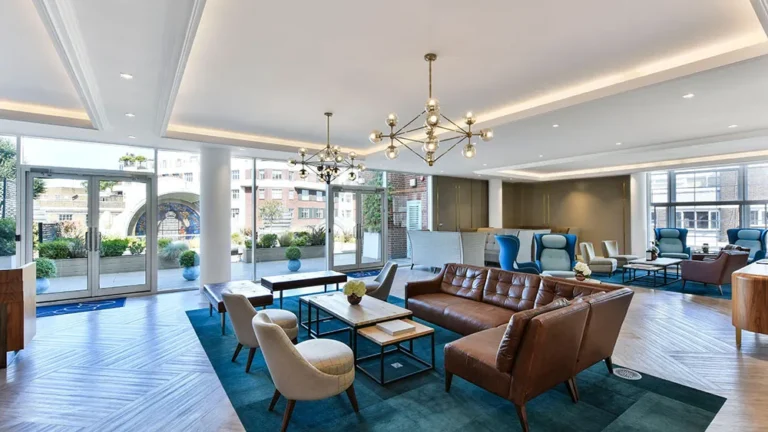
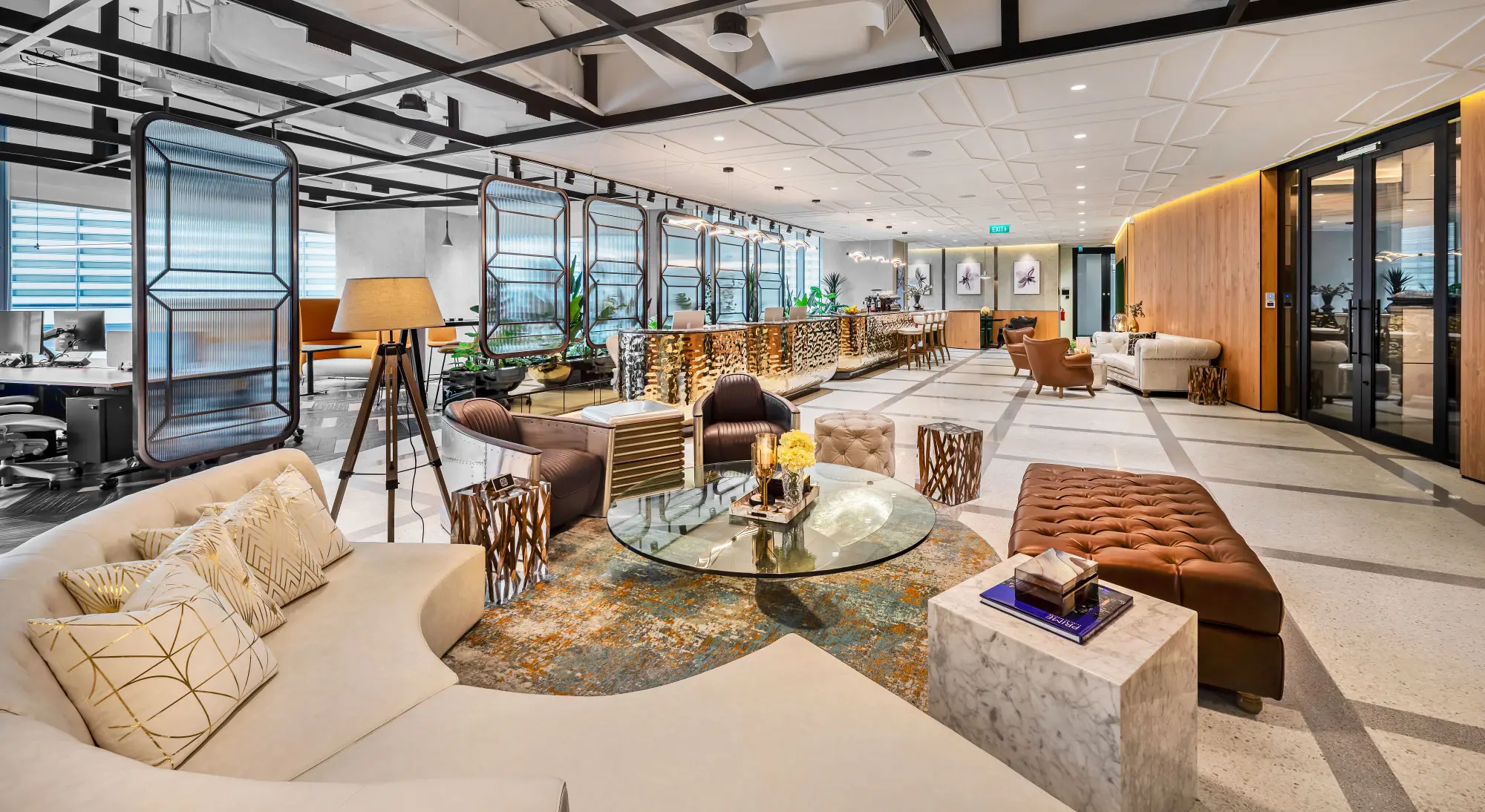
Focused on premium experiences, The Executive Center (TEC) delivers luxury private serviced offices in major business districts like Hong Kong, London, and Sydney. Each office includes high-end furniture, designer lighting, and advanced IT systems.
TEC’s clients often include multinational corporations seeking sophisticated headquarters. The company also provides event spaces and business concierge services, blending corporate prestige with five-star hospitality.
Benefits of Private Serviced Offices
Private serviced offices offer a wide range of advantages that go beyond convenience.
Privacy and Confidentiality
Unlike coworking setups, private serviced offices ensure that meetings, documents, and conversations remain secure. This is crucial for businesses handling client data, intellectual property, or legal matters.
Flexibility and Scalability
Tenants can upgrade or downsize their space as business needs evolve. Flexible terms make it easier to adapt during growth phases or market changes.
Cost Efficiency
With one monthly payment covering all facilities and services, budgeting becomes predictable. There are no additional costs for cleaning, internet, or repairs.
Time Savings
Since offices are move-in ready, teams can start working immediately without setup delays. Providers manage maintenance, cleaning, and utilities, freeing your time for core operations.
Brand Image
A private, well-designed office enhances professionalism and client trust. A strong visual presence can also boost employee morale and corporate identity.
How Technology Enhances Private Serviced Offices
Technology is a vital component in creating efficient, secure, and adaptive serviced offices. Modern private offices leverage cutting-edge digital systems to streamline daily operations and improve user experience.
Smart Access and Security Systems
Biometric entry, facial recognition, and smart locks ensure that only authorized personnel can access the office, improving both physical and data security.
Cloud-Based Connectivity
Integrated cloud services support hybrid teams, allowing seamless communication across locations through video conferencing, VoIP calls, and shared drives.
Energy-Efficient Building Systems
Automated lighting, HVAC, and power management systems help reduce energy waste and create sustainable work environments.
Digital Concierge and Workspace Management
Mobile apps now allow tenants to book meeting rooms, manage invoices, and request technical support, instantly improving convenience and transparency.
Virtual Collaboration Tools
High-speed internet and advanced conferencing facilities make private offices ideal for virtual meetings, remote training, and global teamwork.
Technology not only boosts operational performance but also strengthens data protection and workplace comfort.
Real-Life Use Cases of Private Serviced Offices
Startups and Entrepreneurs
Startups often use private serviced offices to project a professional image without the high costs of traditional leasing. It provides them with privacy, scalability, and flexibility while maintaining control over branding.
Law Firms and Financial Advisors
Legal and financial institutions rely on confidentiality. Private serviced offices ensure discretion while providing high-end facilities for client consultations and documentation security.
Multinational Companies Expanding into New Markets
Global corporations often use private serviced offices as regional bases to test new markets. This approach minimizes upfront investment and simplifies expansion logistics.
Hybrid and Remote Teams
Hybrid companies benefit from having a secure central hub for in-person collaboration, meetings, and team-building while still accommodating remote work policies.
Government and Consulting Organizations
For government contractors or policy consultants, private serviced offices provide secure environments near clients or ministries, enabling rapid response and professional engagement.
Practical Advantages of Private Serviced Offices
- No Setup Hassle: Move in and operate immediately.
- Professional Support: On-site reception and IT teams ensure seamless daily operations.
- Networking Opportunities: Access to shared lounges enables organic networking with nearby professionals.
- Sustainability: Many providers use green materials and energy-efficient systems.
- Work-Life Balance: Central locations and amenities like gyms or cafés improve employee satisfaction.
Frequently Asked Questions
1. What is the difference between a serviced office and a private serviced office?
A serviced office can be shared or private, but a private serviced office is exclusively occupied by one business. It offers more privacy, control, and customization than shared spaces while retaining flexible lease terms and managed services.
2. Are private serviced offices suitable for remote or hybrid teams?
Yes. Many companies use private offices as a hybrid base, a secure, flexible headquarters that complements remote work by providing a space for meetings, collaboration, and focused work.
3. Can a private serviced office be customized to match my brand?
Most providers allow moderate customization, such as installing signage, adjusting layouts, or changing furniture to reflect your company’s brand identity.