How to List My Apartment for Rent Online: A Complete Guide to Attracting Tenants Fast
In today’s rental market, putting up a “For Rent” sign outside your building isn’t enough. Most tenants begin their search online through rental websites, apps, or social platforms. That’s why learning how to list your apartment for rent online effectively is essential. Whether you’re a first-time landlord or an experienced property investor, this comprehensive guide will show you how to create a listing that attracts serious renters quickly.
Understanding What “List My Apartment for Rent” Really Means
When you “list your apartment for rent,” you’re essentially marketing your property to potential tenants. The process includes gathering apartment details, taking professional photos, writing compelling descriptions, and publishing the listing on one or more digital platforms.
A successful apartment listing is not just an advertisement; it’s a storytelling piece. It helps potential renters imagine themselves living there, building trust through accurate details and visuals.
High-performing listings typically include:
- High-quality photos and videos
- A clear and attractive headline
- Detailed amenities and lease information
- Accurate pricing based on market data
- A prompt response rate from the owner or manager
Your listing’s presentation directly impacts how fast your apartment rents out.
Preparing Your Apartment Before Listing
Before posting your apartment online, preparation is key. You need to ensure it’s both visually appealing and ready for immediate occupancy.
Cleaning and Minor Repairs
Start with a deep clean of floors, windows, appliances, and fixtures that should sparkle. Fix small issues like leaky faucets, chipped paint, or broken handles. These minor upgrades can drastically improve how your property looks in photos and during visits.
Potential tenants associate cleanliness with reliability. A well-maintained apartment signals that the landlord is professional and attentive, qualities that attract high-quality tenants.
Staging and Photography

Staging helps your apartment feel like a home rather than a space. Add minimal, neutral-colored furniture, soft lighting, and simple décor. Then, invest in good photography. Natural daylight, wide-angle shots, and clean framing make a huge difference.
Professional photos not only enhance visibility on listing platforms but also create emotional appeal. Listings with professional photography receive up to 60% more inquiries compared to poorly photographed ones.
Document Preparation
Gather all essential information before posting square footage, number of bedrooms and bathrooms, included utilities, pet policies, parking details, and lease terms. Having everything organized speeds up the inquiry and screening process once tenants start contacting you.
Writing an Effective Listing Description
Your listing description is your main marketing copy; it persuades potential tenants to click, inquire, and visit.
Crafting a Strong Title
Include important features in your title:
For example:
“Modern 2-Bedroom Apartment for Rent in Downtown with Balcony and Parking.”
This short, keyword-rich format is both SEO-friendly and descriptive.
Building the Description
A good listing description should start with a hook:
“Experience modern living in this bright 2-bedroom apartment steps away from shops, transit, and dining.”
Then expand with details about:
- Amenities (laundry, Wi-Fi, gym, air conditioning)
- Unique features (balcony views, smart locks, pet-friendly policy)
- Nearby facilities (schools, metro, groceries)
- Lease terms (minimum duration, deposit requirements)
The tone should be professional yet inviting. Avoid exaggeration—transparency builds trust and prevents wasted inquiries from mismatched renters.
Choosing the Right Platform to List Your Apartment
Different rental platforms cater to different markets and audiences. Below are several real-world examples of the most effective tools to help you list your apartment successfully.
Zillow Rental Manager
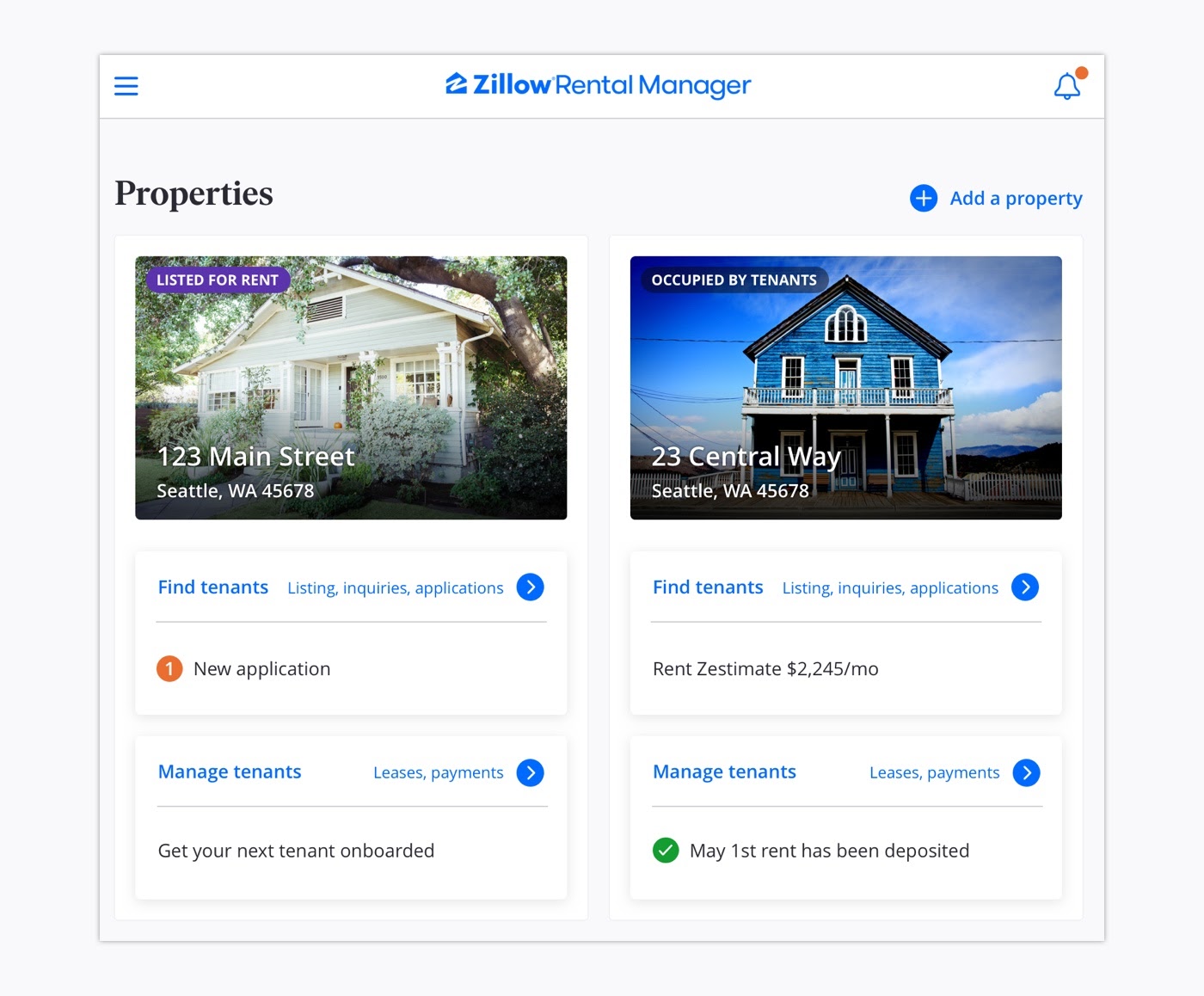
Zillow Rental Manager is one of the most powerful listing platforms for U.S. landlords. Once you create your listing, Zillow automatically distributes it across its network, Zillow, Trulia, and HotPad, giving your property maximum exposure.
You can also use its Rental Price Tool to compare similar listings and set a fair rate. Zillow allows online applications and tenant screenings, making the process efficient from start to finish.
Apartments.com
Apartments.com focuses on quality presentation. Each listing includes high-resolution images, videos, and interactive floor plans. Their tools help you target renters by area, price range, and amenities.
They also verify property details to improve listing credibility, helping you attract tenants who are genuinely ready to rent rather than casual browsers.
Avail

Avail simplifies property management for individual landlords. You can list your apartment, screen tenants, sign leases electronically, and even collect rent all in one dashboard.
Its syndication feature pushes your listing to multiple rental websites simultaneously, including Realtor.com and Zumper, saving you time while boosting exposure.
Facebook Marketplace
Facebook Marketplace is a free, community-driven tool for local rental listings. While less formal, it’s excellent for attracting nearby renters quickly. Adding high-quality photos, a clear headline, and consistent follow-up messages can help you secure tenants in days.
Because users can message you instantly, it’s ideal for smaller landlords who want to communicate directly with potential renters.
TurboTenant
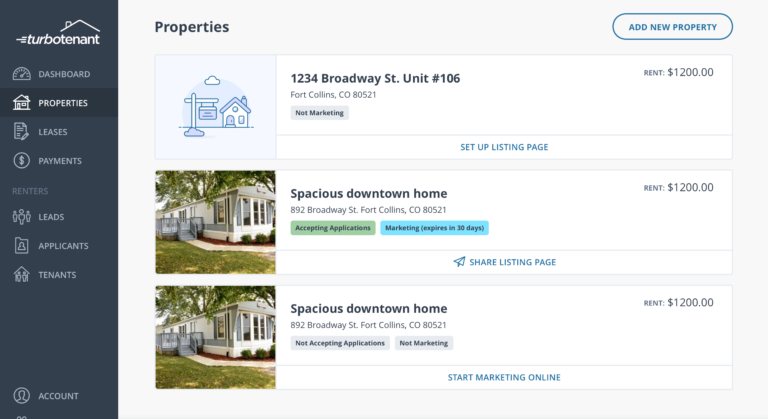
TurboTenant is designed for independent landlords who manage a few units. It allows you to create one listing that is automatically shared across more than 20 major rental platforms.
You can also receive applications, run credit checks, and organize lease documents digitally—making it a convenient all-in-one solution for online property listing.
Benefits of Using Technology to List Apartments
Expanded Reach
Using technology, your listing can reach thousands of prospective tenants within hours. Syndicated listings appear across multiple sites, increasing visibility without extra effort.
Streamlined Communication
Most platforms include built-in chat or email systems that allow you to respond quickly to inquiries. Speed of response is often the difference between landing a tenant and losing them to another property.
Automated Screening and Documentation
Modern platforms integrate tenant screening tools, lease creation templates, and digital signature systems. This automation helps reduce manual work, ensures compliance with housing laws, and improves tenant quality.
Data-Driven Pricing Insights
Technology tools can analyze local rental trends to recommend competitive prices. Setting the right rent helps you balance profitability with market demand.
Time Efficiency
With online platforms, you can manage your entire rental process—from listing to signing the lease—without printing paperwork or attending multiple meetings. That convenience saves both time and operational costs.
Real-World Use Cases: When and Why You Should List Online
Case 1: Renting While Relocating
If you’re moving to another city for work or personal reasons, listing online lets you rent out your apartment remotely. Digital platforms handle inquiries and applications so you don’t need to be physically present.
Case 2: Turning an Investment Property into Income
Many investors use online listings to convert their properties into cash flow assets. Listing platforms help identify serious renters faster and reduce vacancy periods, improving return on investment.
Case 3: Short-Term or Seasonal Rentals
If you own property in a tourist-heavy area, you can adjust your online listing seasonally. With just a few edits, you can adapt your listing for short-term rentals during high-demand months.
Case 4: Managing Multiple Units
Property owners with several apartments can manage all listings under one account. Tools like Avail or TurboTenant centralize inquiries and applications, saving hours each week.
Advantages of a Well-Optimized Listing
A well-optimized online apartment listing:
- Attracts higher-quality tenants who are ready to sign
- Reduces time spent answering repetitive questions
- Minimizes vacancy rates and increases steady income
- Builds a professional reputation as a reliable landlord
Ultimately, the difference between a successful and an underperforming listing comes down to presentation, transparency, and consistent communication.
Common Mistakes to Avoid
- Low-quality images: Tenants often skip listings with poor visuals, even if the rent is fair.
- Vague descriptions: Missing details about amenities or lease terms causes unnecessary back-and-forth messages.
- Unrealistic pricing: Overpricing drives away interest; underpricing reduces your profit.
- Slow responses: Delay in communication can lose serious tenants to faster competitors.
Frequently Asked Questions
1. Should I pay for premium placement on listing sites?
Paid promotions can increase visibility if your market is competitive, but they’re not always necessary. Start with organic listings and upgrade if traffic is low.
2. How long does it take to rent an apartment after listing it?
It depends on your location, rent price, and season. Well-optimized listings in high-demand areas often find tenants within two to three weeks.
3. Is professional photography worth it?
Absolutely. Professional photos significantly increase click-through rates and perceived value. They often pay for themselves by reducing vacancy time.