
JP Morgan Commercial Real Estate: Strategies, Market Insights, and Technological Innovation
Commercial real estate (CRE) plays a central role in global investment portfolios, and few financial institutions have the reach, sophistication, and influence of JP Morgan. Through its divisions in lending, asset management, and digital transformation, JP Morgan has positioned itself as a leader in shaping how commercial real estate is financed, owned, and managed.
This in-depth guide explores how JP Morgan approaches the CRE market, its investment strategies, technology adoption, and real-world examples that demonstrate its role in transforming the industry.
Understanding JP Morgan’s Role in Commercial Real Estate
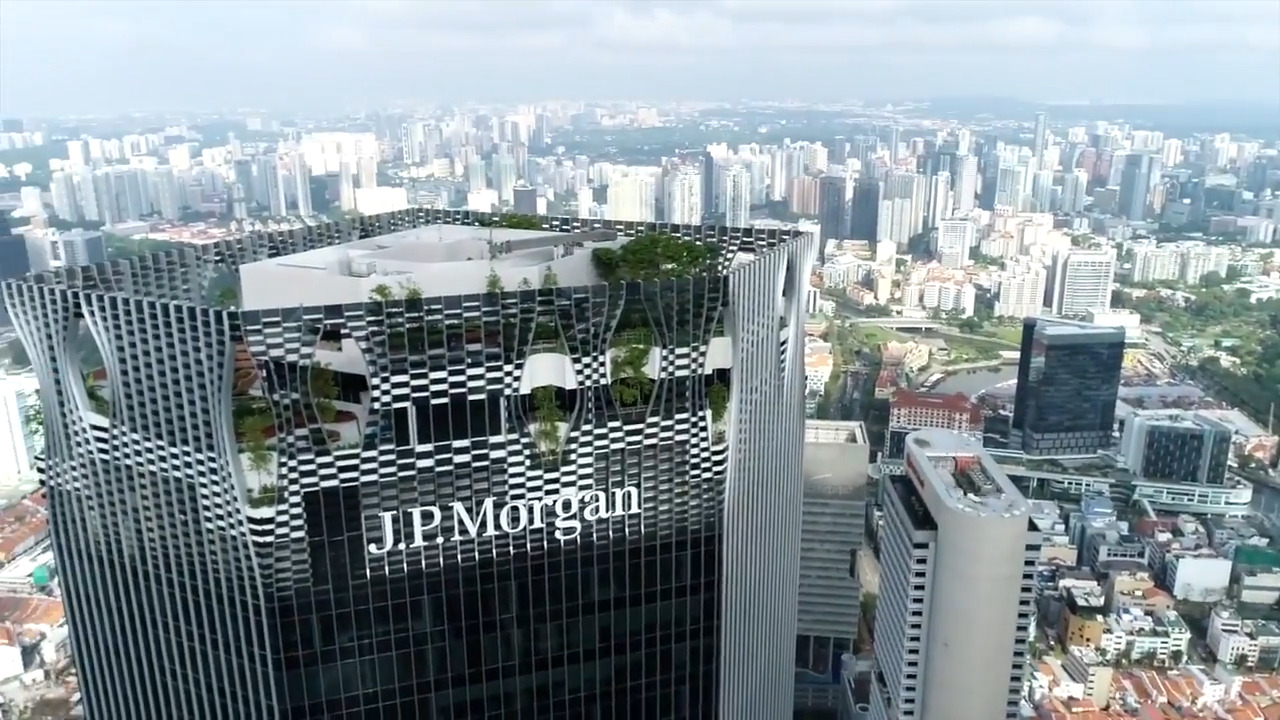
JP Morgan Chase & Co. is not just a financial institution; it’s a strategic driver behind some of the most influential property transactions worldwide. The company’s involvement in commercial real estate spans multiple areas, including:
- Lending and financing solutions for developers, investors, and corporations.
- Equity investments in major office, industrial, and mixed-use developments.
- Real estate asset management through JP Morgan Asset Management.
- Research and market insights that guide institutional clients.
- Technology-driven platforms for digital property finance and analysis.
By combining global reach with data-driven financial products, JP Morgan helps clients navigate complex market conditions, access capital, and optimize real estate investments for long-term growth.
The Evolution of JP Morgan’s Commercial Real Estate Division
JP Morgan’s involvement in real estate dates back to the early 20th century, but it has evolved dramatically in the last three decades. The firm established itself as a key financier for institutional property investments ranging from office towers in New York to logistics centers in Europe and Asia.
After the merger with Chase Manhattan in 2000, the bank’s CRE unit expanded its balance-sheet lending capabilities and introduced structured financing products to serve developers and REITs. Over the years, JP Morgan has become a one-stop platform for CRE clients seeking capital, strategy, and risk management.
Today, the company operates across multiple verticals within the CRE ecosystem, providing comprehensive services that integrate both debt and equity financing with digital infrastructure for efficiency and insight.
JP Morgan’s Commercial Real Estate Services

Real Estate Banking
JP Morgan provides financing solutions for commercial properties, including construction loans, bridge financing, and permanent debt. Clients range from private investors to multinational corporations. The division also assists in syndicated loans, helping institutions access capital while diversifying risk.
Asset Management and Investment Strategy
Through JP Morgan Asset Management, the firm offers core, core-plus, value-add, and opportunistic real estate funds. These vehicles allow institutional investors such as pension funds and insurance firms to gain exposure to income-generating properties.
Each fund strategy aligns with specific risk-return profiles:
- Core: Focused on stable, income-generating assets in prime locations.
- Core-plus: Slightly higher risk with operational improvement potential.
- Value-add and Opportunistic: Involves redevelopment, repositioning, or distressed acquisitions with high upside.
Advisory and Capital Markets
JP Morgan’s CRE experts assist with real estate investment banking, including asset sales, recapitalizations, mergers, and acquisitions. Their capital markets access ensures efficient placement of debt and equity for property portfolios.
Technology in JP Morgan’s Commercial Real Estate Operations
Digital Transformation in Real Estate Banking
JP Morgan has heavily invested in end-to-end digital lending platforms that manage the entire CRE transaction lifecycle from loan origination to asset servicing. This reduces administrative bottlenecks and improves underwriting precision.
Data Analytics and Predictive Insights
Using machine learning and data analytics, JP Morgan can analyze property trends, market risks, and tenant data. This technology-driven approach provides clients with actionable intelligence for strategic decision-making.
For instance, their proprietary analytics tools evaluate geographic risk exposure, demographic trends, and economic forecasts to inform lending and investment decisions.
Blockchain and Tokenization Potential
JP Morgan has explored blockchain applications in real estate finance, allowing for faster settlements and transparent ownership records. Their JPM Coin platform and Onyx blockchain division are pioneering efforts to modernize how real estate capital moves globally.
Technology gives JP Morgan a competitive edge, helping the firm adapt to rapid shifts in commercial property markets and investor expectations.
Real-World Examples of JP Morgan’s Commercial Real Estate Impact
25 Bank Street, London

This iconic skyscraper, once owned by Lehman Brothers, was acquired by JPMorgan as its European headquarters. The move symbolized the firm’s long-term confidence in London’s CRE market despite Brexit uncertainties. The building reflects how JP Morgan integrates ownership strategy with operational presence in major financial centers.
Park Avenue Redevelopment, New York
In Manhattan, JP Morgan is redeveloping its headquarters into a modern, 1,400-foot-tall skyscraper, representing one of the largest sustainable commercial projects in the world. The project showcases the firm’s commitment to green building technology, smart office design, and ESG investment in CRE.
Global Industrial and Logistics Investments
JP Morgan’s asset management division has expanded into logistics and industrial real estate, driven by e-commerce growth and global supply chain transformation. These investments provide steady income streams and inflation protection for institutional investors.
Bishops Square, Spitalfields
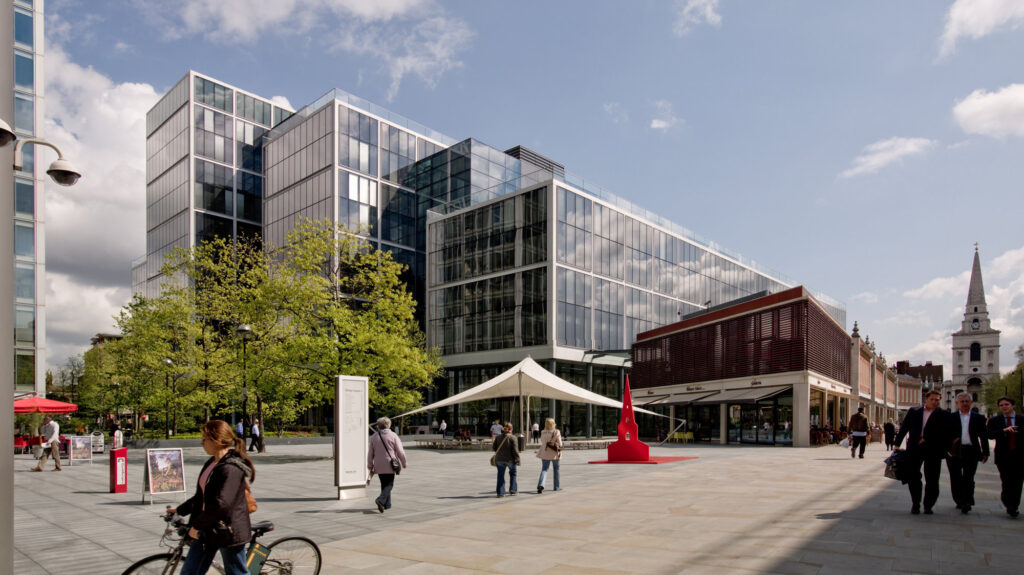
JP Morgan has held stakes in Bishops Square, a commercial property in Spitalfields. This investment demonstrates the firm’s long-term approach to premium office and mixed-use developments in global gateway cities.
Benefits of JP Morgan’s Commercial Real Estate Platform
Diversified Capital Solutions
Clients can access a range of financing options, term loans, construction debt, and equity partnerships through a single financial partner. This holistic approach simplifies project execution and funding structure.
Global Expertise with Local Reach
With offices in over 60 countries, JP Morgan combines global financial expertise with local market knowledge. This makes it an ideal partner for cross-border transactions and multinational property portfolios.
Technology Integration
Digital tools streamline the real estate lifecycle, enabling faster deal processing and better risk visibility. The firm’s commitment to technology ensures more accurate pricing and forecasting.
ESG and Sustainability Focus
JP Morgan integrates environmental, social, and governance (ESG) standards across its CRE portfolio. From sustainable building materials to energy-efficient operations, their projects align with global sustainability goals.
Use Cases: Why Businesses and Investors Choose JP Morgan
1. Institutional Real Estate Investors
Pension funds and insurance companies rely on JP Morgan to manage multi-billion-dollar portfolios that require stability, transparency, and consistent income generation.
2. Corporate Real Estate Users
Large corporations seeking to finance or redevelop their own headquarters turn to JP Morgan for flexible, large-scale capital structures backed by global expertise.
3. Developers and Builders
Property developers benefit from JP Morgan’s structured finance solutions, allowing them to execute complex mixed-use projects with confidence and adequate liquidity.
4. REITs and Fund Managers
Real estate investment trusts often partner with JP Morgan for debt placement, acquisitions, and joint ventures in high-growth property sectors.
5. Infrastructure and Data Center Operators
With the global demand for digital infrastructure, JP Morgan provides funding for data centers and energy-efficient industrial assets, connecting real estate to the technology economy.
The Role of Technology in Risk Management
JP Morgan uses advanced risk modeling and stress-testing systems to safeguard its CRE portfolio. By analyzing macroeconomic indicators and credit performance, it can proactively adjust exposure in volatile markets.
These models integrate real-time data feeds such as property valuations, tenant credit ratings, and economic projections to ensure precise risk measurement and mitigation.
The Future of JP Morgan Commercial Real Estate
The future of JP Morgan’s CRE operations lies in sustainable development, digital integration, and global diversification. As property markets evolve post-pandemic, the firm continues to innovate through:
- Smart building investments and renewable energy integration.
- Expanding its global CRE funds to include emerging markets.
- Using AI and digital twins for property valuation and asset optimization.
JP Morgan’s commitment to innovation ensures its continued dominance as one of the world’s most influential players in commercial real estate.
Frequently Asked Questions
1. What is JP Morgan’s main focus in commercial real estate?
JP Morgan focuses on financing, investing, and managing commercial real estate assets through structured lending, asset management, and advisory services. It also integrates technology to improve efficiency and decision-making.
2. How does JP Morgan incorporate ESG principles into its real estate projects?
The firm applies ESG criteria to all investmentsprioritizing energy efficiency, sustainable materials, and community-focused development in its global real estate portfolio.
3. What types of clients does JP Morgan serve in its CRE division?
Clients include developers, institutional investors, REITs, corporations, and sovereign funds seeking both financing and investment solutions for large-scale property assets.