How to List My Property for Rent: A Complete Guide for Homeowners
Renting out your property can be an excellent way to generate passive income and build long-term financial stability. However, many homeowners struggle with the first and most crucial question: how to list my property for rent effectively?
From preparing your home and writing an attractive listing to leveraging digital platforms and technology-driven tools, this guide will walk you through every essential step. Whether you’re a first-time landlord or a seasoned property investor, you’ll find practical insights, examples, and expert strategies to make your rental listing stand out.
Understanding the Basics of Property Listings

Before you list your property for rent, it’s important to understand what a property listing truly entails. A property listing is essentially your marketing advertisement; it communicates the features, benefits, and unique value of your rental property to potential tenants.
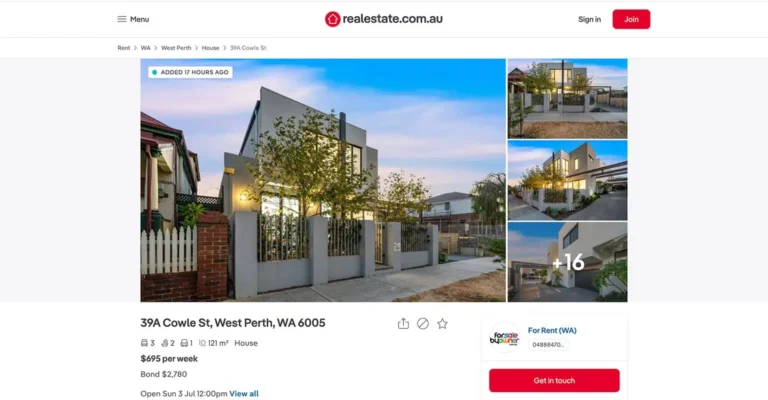
A good listing includes high-quality photos, a compelling description, accurate pricing, and clear contact information. Your listing should also highlight nearby amenities, transportation options, and any special features like a backyard, parking space, or furnished interiors.
The goal is to present your property in the best light possible while maintaining transparency and accuracy. This helps attract serious tenants quickly and reduces the chances of prolonged vacancies.
Preparing Your Property Before Listing

Before publishing your listing, preparation is key. Tenants are more likely to respond to listings that showcase clean, well-maintained, and attractive properties.
Start by doing the following:
- Inspect and Repair: Fix any visible damage, leaky faucets, chipped paint, or broken tiles.
- Deep Clean: A spotless space appeals to potential tenants immediately.
- Stage the Property: Arrange furniture and décor to highlight space and comfort.
- Take High-Quality Photos: Use good lighting, wide-angle shots, and capture every important room.
Your property’s presentation is the first impression you make online. An inviting, well-prepared property listing helps tenants visualize themselves living there, making it more likely they’ll reach out to inquire.
How to Write a Great Property Listing
A strong property listing combines clarity, engagement, and honesty. You need to balance detailed information with persuasive language.
Highlight Key Features
Begin your listing by focusing on features that renters care most about: number of bedrooms and bathrooms, total area, neighborhood quality, and special amenities. Include unique selling points like proximity to schools, public transportation, or pet-friendly policies.
Use Clear and Honest Descriptions
Avoid exaggeration or vague phrases. Instead of saying “beautiful apartment,” describe what makes it beautiful: “A spacious two-bedroom apartment with large windows and city views.” Clarity builds trust and attracts serious tenants.
A well-written property description can increase listing engagement rates significantly. Many platforms report that detailed listings receive up to 60% more inquiries.
Benefits of Using Technology When Listing Your Property
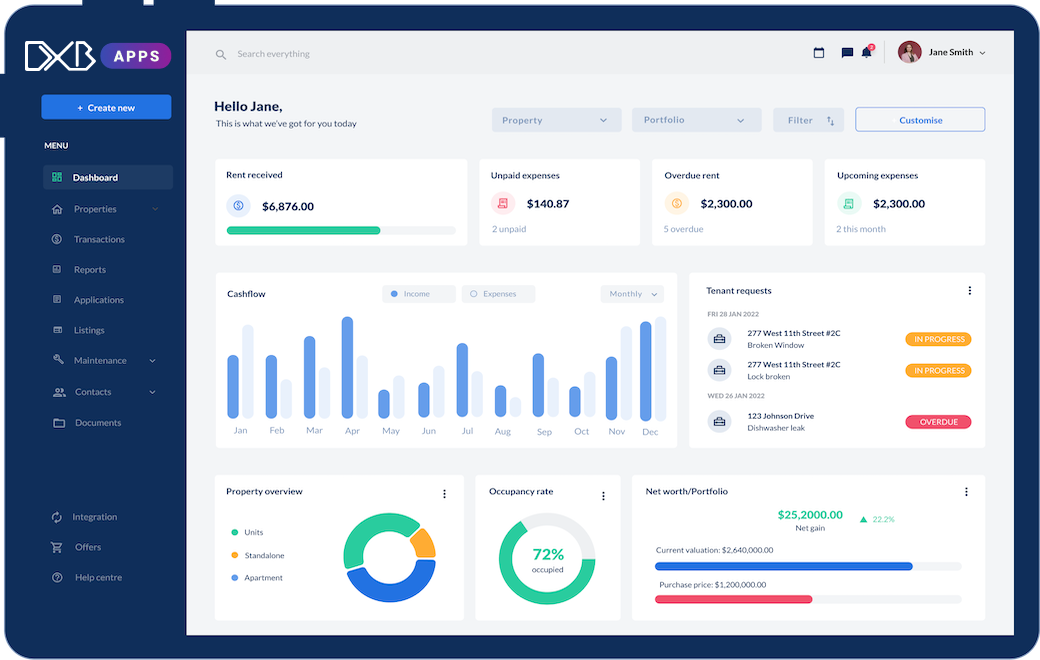
Technology has transformed the rental market, making it easier for property owners to reach a wider audience. Digital tools streamline listing management, automate communication, and help landlords make data-driven decisions.
Online Listing Platforms
Websites and apps allow property owners to upload photos, descriptions, and rent prices instantly. These platforms use advanced search filters and algorithms to connect listings with suitable tenants.
Digital Communication and Screening Tools
Most platforms now integrate messaging systems, digital applications, and automated tenant screening tools. These features save time by verifying credit history, employment, and rental background instantly.
Using technology doesn’t just make your listing process faster; it also enhances transparency, improves tenant matching, and helps you manage multiple properties effortlessly.
Top Real-World Examples of Property Listing Platforms
Here are some of the most trusted and effective platforms used by property owners worldwide.
Zillow Rental Manager
Zillow Rental Manager is one of the most popular platforms for landlords in the U.S. It allows users to create listings, upload photos, and syndicate them across partner sites like Trulia and HotPads for broader reach.
Zillow also offers rent estimation tools and tenant screening services. Its analytics dashboard helps landlords determine competitive pricing and track listing performance in real-time, making it a comprehensive solution for modern property management.
Apartments.com
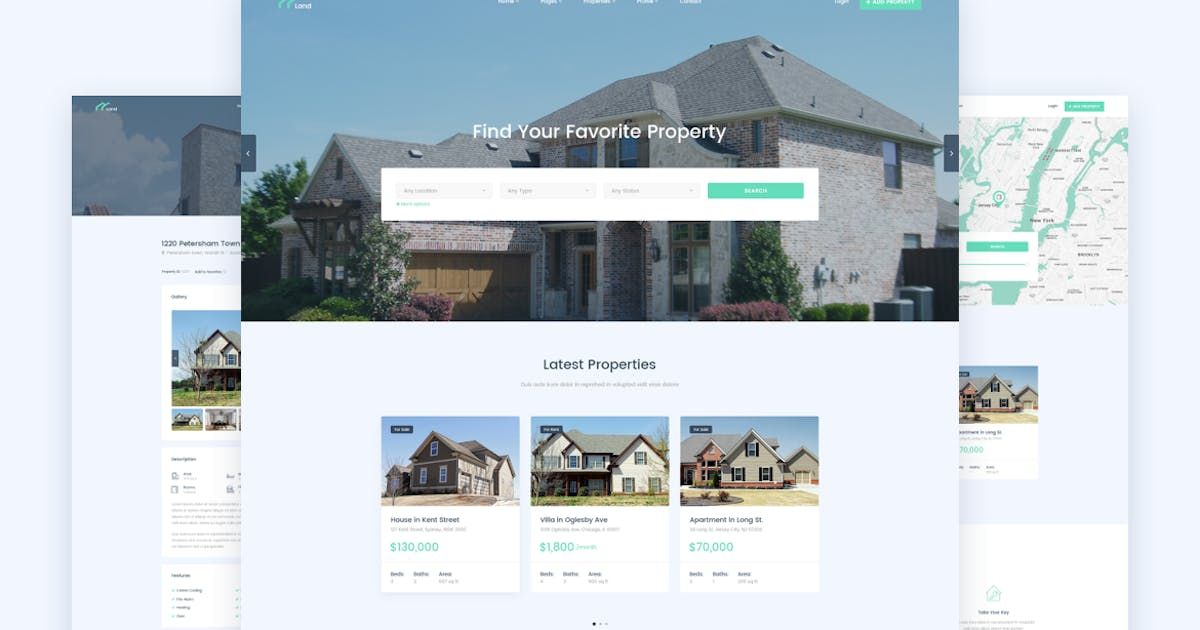
Apartments.com provides an easy interface for landlords to list residential properties, including apartments, condos, and houses. Its detailed search filters allow tenants to find properties by neighborhood, price, or amenities.
Landlords benefit from exposure to millions of active users monthly, and the platform’s integrated screening tools simplify application review and tenant selection.
Available by Realtor.com
Avail is designed specifically for individual landlords and small property owners. It offers step-by-step guidance on listing, screening, and lease signing.
Avail integrates with Realtor.com, giving your listing additional visibility across one of the largest real estate networks. It also includes built-in tools for rent collection, maintenance tracking, and financial reporting.
Airbnb (for Short-Term Rentals)
For property owners looking to rent their property short-term, Airbnb remains a leader. The platform provides high visibility, secure payment systems, and automated guest management tools.
Airbnb’s review system also builds trust between hosts and guests. By using Airbnb, you can optimize your pricing dynamically based on demand trends, ensuring better occupancy and profitability.
Facebook Marketplace
Facebook Marketplace has become a surprising powerhouse in local property rentals. Its community-driven approach allows landlords to reach potential tenants directly through Facebook’s massive user base.
It’s ideal for local or small-scale property owners who want to manage listings personally and communicate quickly with interested tenants via Messenger.
Benefits of Listing Your Property Online
Listing your property online provides numerous advantages beyond convenience.
Broader Audience Reach
Traditional advertising methods limit visibility, but online platforms allow you to showcase your property to thousands of potential tenants instantly.
Cost Efficiency
Many online platforms offer free or low-cost listing options, reducing the expenses associated with print or agent-based advertising.
Data-Driven Insights
Digital platforms provide analytics on views, clicks, and inquiries, helping landlords optimize listings for better performance and faster tenant acquisition.
Streamlined Management
Integrated tools let you track applications, rent payments, and maintenance requests—all from one dashboard.
Real-World Use Cases
Case 1: Busy Professionals Renting Extra Homes
Landlords with demanding jobs often use platforms like Zillow or Avail to automate the listing process and handle tenant communication efficiently.
Case 2: Property Investors with Multiple Units
Investors managing several properties rely on centralized systems like AppFolio or Buildium to synchronize listings and track performance data across all rentals.
Case 3: Homeowners Testing Short-Term Rentals
Homeowners using Airbnb can experiment with short-term leasing during travel periods or holidays, maximizing property use while generating income.
Common Mistakes to Avoid When Listing Your Property
- Using poor-quality photos: Visuals are your strongest marketing tool.
- Setting unrealistic rent prices: Overpricing can cause long vacancies.
- Ignoring tenant inquiries: Prompt responses increase trust and engagement.
- Not updating listings: Keep your property status current to avoid confusion.
Avoiding these pitfalls will help your listing perform better and attract high-quality tenants faster.
Frequently Asked Questions
1. What is the best way to list my property for rent?
The best approach combines online listing platforms (like Zillow or Apartments.com) with professional-quality photos and detailed descriptions. Listing on multiple platforms increases your visibility and reduces vacancy time.
2. How much does it cost to list a property for rent online?
Costs vary depending on the platform. Some, like Facebook Marketplace, are free, while others, like Zillow, may charge a small listing or tenant screening fee.
3. How long does it take to find tenants after listing my property?
With a competitive price and strong listing, many properties receive inquiries within days. However, the timeline depends on market demand, location, and seasonality.