
Commercial Buyers Advocate: Your Ultimate Guide to Smarter Commercial Property Acquisition
Acquiring commercial real estate is one of the most complex, capital-intensive processes a business or investor can undertake. From searching listings and analyzing financials to negotiating terms and closing the deal, the purchase journey is rife with potential pitfalls and missed opportunities. That’s where a commercial buyer’s advocate comes in: a specialist who champions your interests, navigates the process, and helps you get optimal value from your investment.
In this comprehensive guide, you’ll learn exactly what a commercial buyer’s advocate is, why they matter, how technology enhances their role, real-world examples, practical use cases, and how to choose the right advocate for your needs.
What Is a Commercial Buyers Advocate and Why You Need One

A commercial buyer’s advocate (also known as a buyer’s agent, buyer’s representative, or buyer’s broker in the commercial real estate domain) is a professional who exclusively works for the buyer in commercial property transactions. Their role is to represent, advise, and manage the buying process so that the buyer’s interests come first.
Unlike standard brokers who may represent both sellers and buyers, a commercial buyer’s advocate is unconflicted and focused solely on your goals, whether that means securing the lowest price, best lease terms, or highest yield property. Their services typically include property search, market research, negotiations, due diligence oversight, contract structuring, and closing support.
Because commercial property involves higher stakes, complexity, and risk than residential real estate, having an expert advocate can make the difference between a successful investment and a costly mistake. According to industry commentary, a buyer’s agent “lifts the complicated real estate responsibilities from a buyer’s shoulders, saving you time and money while helping you to avoid costly mistakes”.
Core Functions and Responsibilities of a Commercial Buyer’s Advocate
A competent commercial buyer’s advocate performs a broad array of functions that cover the full spectrum of the acquisition lifecycle. Below is a deeper look into their responsibilities.
Market Research, Property Discovery & Off-Market Access
One of their first tasks is to identify commercial properties that match your criteria. This involves scanning public listings, exclusive databases, and even off-market opportunities that are not openly advertised. Because many prime properties never hit the open market, advocates use their network and local knowledge to uncover high-potential options.
In addition, they will analyze comparables, vacancy rates, lease performance, local demand, and financial metrics (cap rates, net operating income, expense ratios) to filter prospects.
Financial Analysis, Valuation & Investment Modeling
After property identification, the advocate constructs detailed financial models to gauge feasibility. This includes projecting revenue, operating expenses, maintenance, financing costs, tax implications, and exit strategies. They compare multiple scenarios to help the buyer understand risk and return tradeoffs.
Valuation is critical; knowing a fair offer price based on net present value, internal rate of return (IRR), and comparable sales is a core function.
Negotiation Strategy & Terms Structuring
A buyer’s advocate leads negotiations on price, terms, contingencies, closing timeline, tenant transfer clauses, warranties, and more. They aim to structure a deal that maximizes buyer value while minimizing exposure to liabilities.
They also craft the letter of intent (LOI) or memorandum of understanding (MOU) to signal serious intent and set negotiation ground rules.
Due Diligence Oversight
Due diligence in commercial property is multifaceted: physical inspections (building structure, HVAC, electrical, roofing), environmental assessments, zoning and compliance, title and encumbrance review, lease audits, and legal structure. A buyer’s advocate coordinates all these tasks, managing deadlines and ensuring issues are surfaced early.
Closing, Settlement & Post-Closing Support
At the final stage, the advocate coordinates with lawyers, lenders, title agents, and developers to ensure a smooth closing. They help manage documents, negotiate final adjustments, and resolve last-minute issues. Post-closing, they may assist with asset management transitions or tenant handovers.
Because they’re focused solely on the buyer, a commercial buyer’s advocate provides peace of mind and a safeguard against conflicts of interest that can occur in dual-representation models.
How Technology Amplifies the Role of a Commercial Buyer’s Advocate
Technology has transformed how commercial real estate deals are sourced, executed, and managed. A modern buyer’s advocate integrates tech tools across all phases to deliver superior insights, speed, and transparency.
Data Platforms & Market Intelligence Tools
Advocates use commercial real estate databases (CoStar, LoopNet, REIS, etc.) to access rich property-level and market-level data: pricing trends, lease comparables, building metrics, tenant profiles, and geographic analytics. This data enables more precise targeting and valuation.
Geographic Information Systems (GIS) & Heat Maps
Mapping tools and spatial analytics help advocates visualize demographics, commute patterns, traffic flows, and competitor locations. This aids site selection decisions that align with your business strategy.
Financial Modeling Software
Advanced spreadsheets, discount-cash-flow (DCF) tools, scenario simulations, and valuation platforms allow the advocate to test multiple assumptions and present robust investment proposals.
Workflow, Document Management & Collaboration Tools
Cloud-based platforms let advocates manage due diligence checklists, share documents securely, track tasks, schedule inspections, and coordinate with legal or finance teams.
Virtual Tours, 3D Modeling & Drone Imagery
In remote or competitive markets, virtual site visits and drone imagery allow buyers to review property details remotely, accelerating decision-making and reducing travel time.
AI / Predictive Analytics
Some forward-looking advocates may use machine learning to predict market trends, lifecycle maintenance costs, or the highest potential use cases for properties.
By merging their domain expertise with tech tools, buyer advocates deliver more efficient, data-driven, and seamless acquisition experiences.
Real-World Examples of Buyer Advocate Engagements
Below are example scenarios illustrating how commercial buyers’ advocates operate in practice (not product sales, but real use cases).
Example 1: A Retail Chain Expanding to New Locations
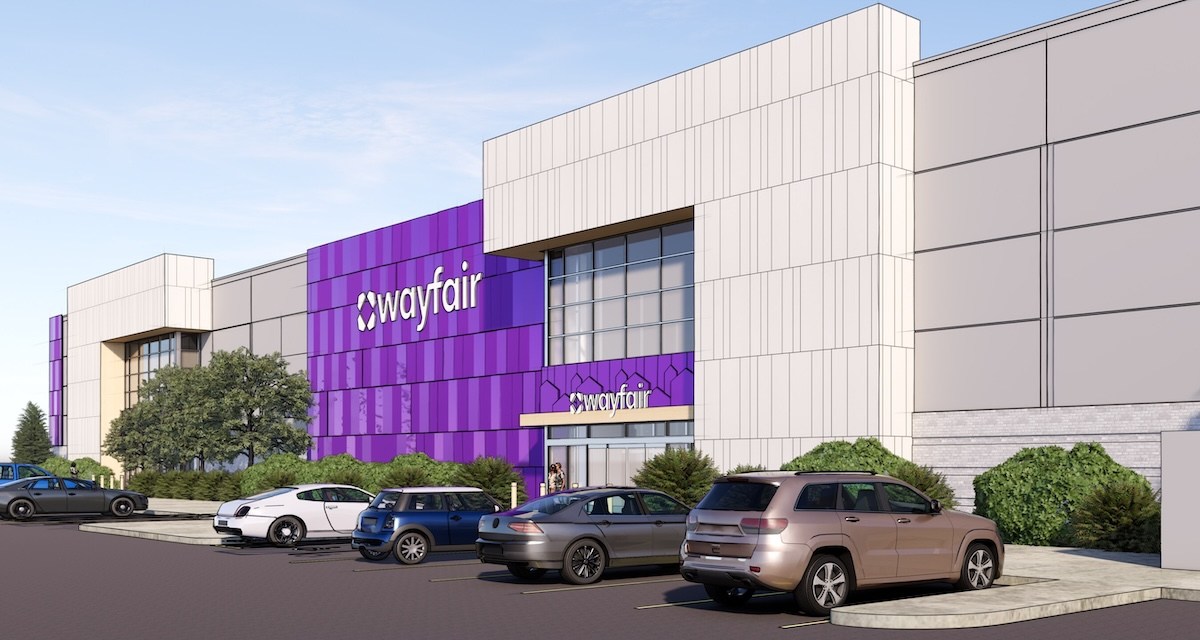
A regional retailer seeks to open three new outlets across multiple cities. The buyer’s advocate researches retail corridors with ideal foot traffic, leases, demographics, and leasehold versus freehold options. The advocate negotiates landlord incentives like rent-free periods and tenant improvements.
Because retail properties often stay off-market until leased, the agent’s network uncovered a building not publicly listed, allowing the client to secure a better location at favorable terms.
Example 2: Industrial / Warehouse Acquisition for Logistics Firm
A logistics company needs a 100,000 sq ft warehouse near highway access. The buyer’s advocate analyzes industrial zones, access to major roads, freight costs, and utilities (power, loading docks). During negotiations, the buyer’s advocate pushed for landlord contributions to upgrade floor loading capacity and electrical infrastructure, saving the buyer significant capital.
In due diligence, the advocate identified drainage issues and latent environmental risk, negotiating credits for remediation.
Example 3: Office Space for Remote-Friendly Tech Firm

A fast-growing tech firm wants a centralized office hub that supports remote team gatherings and client hosting. The buyer’s advocate screens fully serviced office buildings and flexible office towers. After comparing multiple offers and leasehold terms, the advocate was able to negotiate a six-month rent-free fit-out period and a cap on operating expense increases.
They also arranged virtual previews for remote leadership and coordinated furniture and network installation through vetted vendors.
Benefits of Using a Commercial Buyers Advocate
Working with a dedicated advocate brings considerable advantages, especially for high-stakes investments.
Time Efficiency & Focus
Real estate transactions demand time, resources, and expert knowledge. A buyer’s advocate handles all the heavy lifting so you can continue to run your business while your property acquisition evolves in parallel.
Access to Off-Market & Exclusive Listings
A well-connected advocate often knows about properties not yet publicly listed. That gives you a competitive edge before others even see the opportunity.
Fee Neutrality (often)
In many markets, the seller or property owner pays the brokerage commission. This means your advocate’s service may come at little or no direct cost to you; the gains generally outweigh the expense.
Better Negotiated Terms
Because your advocate is experienced in structuring win-win deals, you can secure more favorable financing, contingencies, landlord concessions, and lease protections.
Risk Mitigation & Due Diligence Protection
By overseeing inspections, compliance, and contract details, the advocate helps avoid costly surprises hidden in property agreements.
Strategic Alignment
A commercial buyers advocate helps align real estate acquisitions with your corporate strategy, not just evaluating buildings, but ensuring the investment supports your long-term goals.
Use Cases: When a Commercial Buyers Advocate Makes the Difference
Deploying Capital Efficiently Across Markets
A portfolio investor wants to diversify holdings across cities. The advocate sources properties in multiple markets, compares yield potential, and vets risk differences, ensuring capital is deployed wisely and with consistency.
Scaling a Business with Property Ownership
A growing firm that plans to own its premises rather than lease can leverage the advocate to identify “future-proof” buildings in growth corridors, balancing cost now with appreciation potential later.
Redeveloping or Value-Adding Properties
An investor looking for a “value-add” opportunity (e.g., converting an older office building into mixed-use) uses a buyer’s advocate to find underperforming assets, analyze renovation potential, and structure financing.
Acquiring Headquarters or Flagship Locations
When a company seeks a signature address, the buyer’s advocate ensures the property matches brand expectations while negotiating premium terms.
Entering Foreign Markets
If expanding to a new country, the buyer’s advocate provides local knowledge, regulatory navigation, and partner coordination, reducing cross-border risk.
How to Choose the Right Commercial Buyers Advocate
Here are critical criteria when selecting an advocate:
- Specialization & Track Record Look for experience in your property type (office, retail, industrial).
- Local Market Network: A well-connected advocate has access to off-market deals and key local stakeholders.
- Transparency & Fiduciary Commitment They should commit in writing to act exclusively in your interest (no dual agency).
- Negotiation Expertise: Past deals matter; ask for examples and how they structured favorable terms.
- Tech Capability & Resources: They should leverage modern tools for search, modeling, due diligence, and transaction management.
- Fee Structure & Alignment: Understand how they are compensated and how that aligns with your success.
- Communication & Reporting Clear updates, dashboards, and progress reporting matter.
A good advocate is not just an agent; they are a partner in your investment success.
Frequently Asked Questions
1. Does a commercial buyer’s advocate cost extra?
Typically, not for the buyer in many jurisdictions, the seller pays brokerage commissions. However, clarify this upfront and understand local norms.
2. Can a buyer’s advocate work across multiple property types?
Yes, many advocates specialize across sectors (office, retail, industrial). But it’s best to pick one with demonstrated expertise in your target property type.
3. How early should I engage a buyer’s advocate?
The earlier, the better. Engage them in the planning stage so they can influence location strategy, financing assumptions, and scanning for off-market opportunities.