How to Rent Out Your Vacation Home: Complete Guide to Earning from Your Property
Owning a vacation home is a dream for many, but maintaining it can be expensive when it’s unused. A growing number of property owners are turning their second homes into income-generating assets by renting them out to travelers. If you’re wondering how to rent out your vacation home effectively, this guide will help you understand everything from preparation and pricing to marketing and technology tools that simplify the process.
What It Means to Rent Out Your Vacation Home
Renting your vacation home involves allowing short-term guests to stay at your property in exchange for payment. Unlike long-term rentals, vacation rentals focus on shorter stays from a few days to a few weeks, usually catering to tourists, families, or digital nomads.
This concept has become incredibly popular thanks to online rental platforms that connect property owners directly with guests worldwide. Renting your vacation home is not just about extra income; it’s also about sharing a unique experience, your home’s location, comfort, and local charm with travelers looking for a more personalized stay than hotels can offer.
Preparing Your Vacation Home for Rent
Cleaning and Maintenance
Before listing your vacation home online, it’s crucial to ensure it’s in pristine condition. A clean, well-maintained space makes an excellent first impression and increases the likelihood of repeat bookings.
Focus on:
- Deep cleaning all areas, including carpets and windows
- Checking plumbing, air conditioning, and kitchen appliances
- Stocking essentials like towels, bedding, and toiletries
- Making sure Wi-Fi and entertainment systems are functional
A spotless property signals reliability and professionalism two key factors that attract quality guests.
Creating an Inviting Atmosphere

Staging your vacation home helps potential guests visualize themselves relaxing there. Use neutral tones, add local art or decorations, and keep furniture minimal yet comfortable. Small details like a welcome basket or guidebook about nearby attractions can make a big difference in guest satisfaction.
Good interior design photography also matters. Natural lighting and wide-angle shots highlight the property’s best features and create emotional appeal for online viewers. Listings with high-quality images receive significantly higher engagement.
Setting the Right Price
Pricing your vacation home requires balancing affordability with profitability. Research similar properties in your area to set a competitive rate. Factors like location, amenities, seasonal demand, and special events nearby all influence price.
Many owners use dynamic pricing tools to automatically adjust nightly rates based on market conditions, maximizing occupancy and revenue.
Creating a Compelling Online Listing
Your online listing is your property’s digital storefront. It must stand out, inform, and convince potential guests within seconds.
Crafting an Eye-Catching Title
An effective title includes essential features that appeal to travelers.
Example:
“Oceanfront 3-Bedroom Vacation Home with Private Pool and Wi-Fi.”
This type of headline instantly tells guests what to expect while using relevant keywords to improve search visibility.
Writing a Descriptive Overview
Your description should go beyond basic facts; it should sell the experience.
Start with a hook:
“Wake up to breathtaking sunrise views and enjoy a peaceful retreat at this oceanfront villa just minutes from the beach.”
Then, provide detailed information about:
- Property layout and amenities
- Unique features (pool, balcony, barbecue area, fireplace)
- Nearby attractions and transportation options
- Check-in/check-out procedures
Transparency helps prevent misunderstandings and builds trust between you and your guests.
Choosing the Best Platforms to Rent Your Vacation Home
Here are real-world examples of leading platforms where you can list your property effectively.
Airbnb
Airbnb is one of the most popular platforms for short-term rentals. It allows you to showcase your property with photos, detailed descriptions, and reviews from guests. You can set availability, manage pricing, and communicate with guests directly.
The platform’s host protection programs also offer insurance coverage and security deposits, reducing financial risks. Airbnb is ideal for those renting out unique properties such as mountain cabins, city lofts, or beachfront cottages.
Vrbo (Vacation Rentals by Owner)
Vrbo focuses exclusively on vacation properties, catering to families and group travelers. It provides tools to manage bookings, accept payments securely, and communicate with guests.
Vrbo listings often attract longer stays, making it a great choice for owners who prefer fewer turnovers and more stable income.
Booking.com
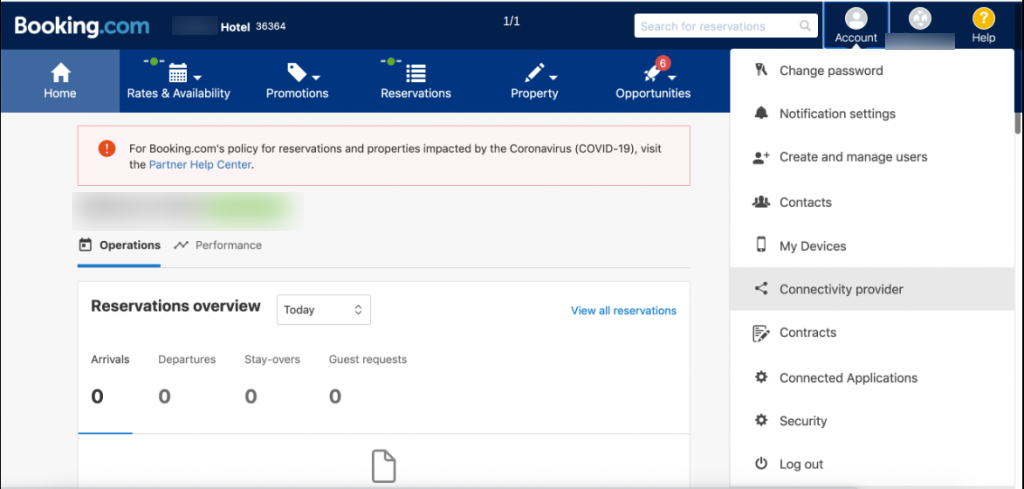
Initially focused on hotels, Booking.com now allows homeowners to list vacation rentals as well. It provides access to millions of travelers globally.
One advantage is its instant booking feature, which eliminates the need for approval — guests can confirm their stay immediately. This is especially useful if you want to maximize occupancy without constant manual approval.
Expedia Group
Expedia integrates multiple travel brands, including Hotels.com and Travelocity, providing exposure across its entire network. This multi-channel approach ensures that your vacation home reaches travelers worldwide looking for diverse accommodation options.
The platform also includes marketing insights and analytics, helping you adjust pricing and strategies to optimize revenue.
Hostaway
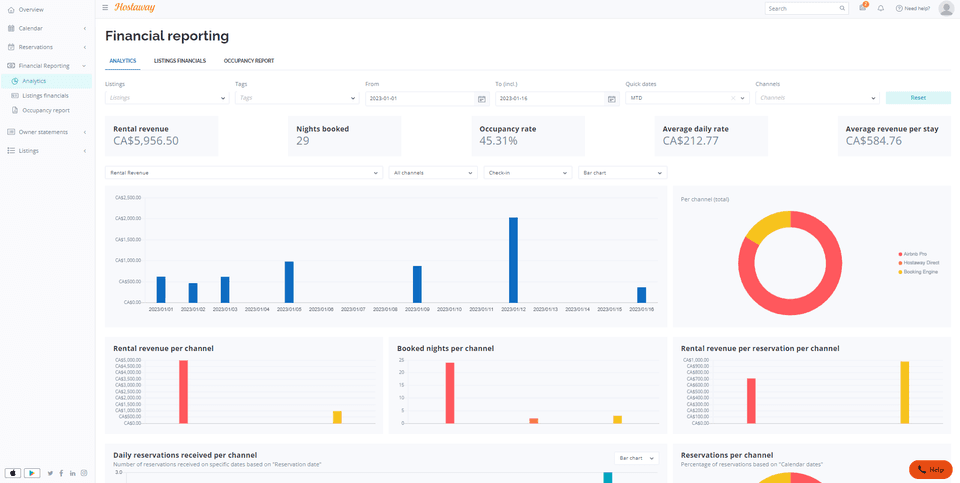
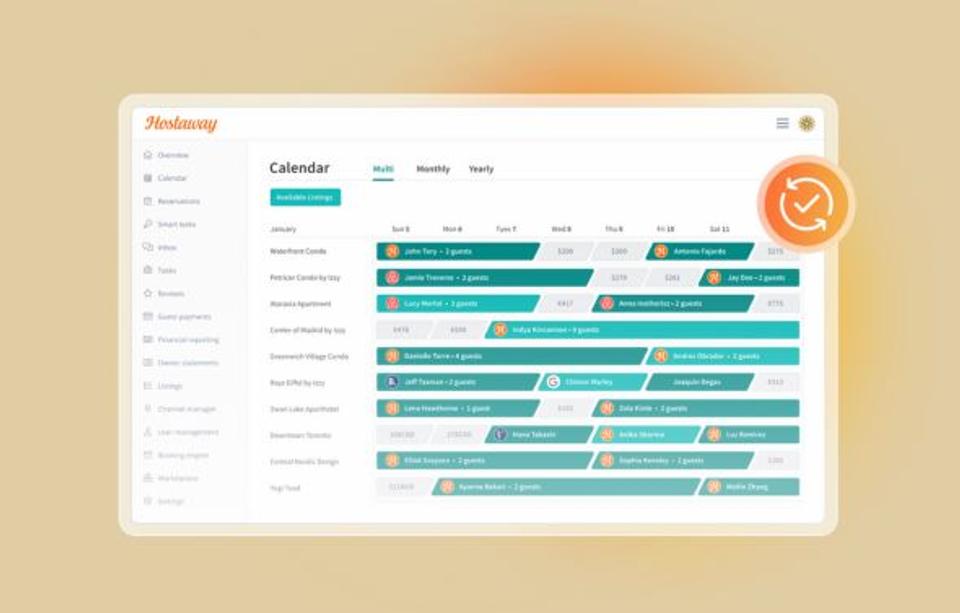
Hostaway isn’t a rental platform itself but a vacation rental management system that connects multiple platforms like Airbnb, Vrbo, and Booking.com. It allows you to synchronize calendars, automate messages, and manage bookings across all sites from one dashboard.
This is especially beneficial if you list your property on multiple sites and want to avoid double bookings or communication delays.
Benefits of Using Technology to Rent Out Your Vacation Home
Increased Visibility
Technology allows your vacation home to reach thousands of travelers instantly. Multi-platform listings ensure maximum exposure without extra effort.
Simplified Management
Modern tools automate nearly every part of the process — from calendar synchronization to guest messaging. These systems save time and reduce human error.
Enhanced Guest Experience
Smart home devices such as keyless entry systems, smart thermostats, and security cameras improve guest comfort and safety. They also allow remote management if you don’t live near the property.
Real-Time Data and Analytics
Using digital tools, you can analyze booking trends, seasonal demand, and average occupancy rates. This data-driven approach helps you make smarter pricing and marketing decisions.
Secure Payments
Most platforms include built-in payment protection and automatic deposits, ensuring a safe, transparent transaction for both hosts and guests.
Practical Use Cases for Renting Out Your Vacation Home
Case 1: Seasonal Income Generation
If you only use your vacation home a few weeks per year, renting it out during the off-season can help cover maintenance costs or even generate steady income.
Many homeowners find that a few short-term rentals per month can offset mortgage payments and taxes, turning a liability into an asset.
Case 2: Managing a Remote Property
Technology makes it easy to manage vacation homes from afar. With digital check-ins, smart locks, and cleaning service integrations, you can run your rental remotely without needing to be on-site.
Case 3: Hosting Family or Group Travelers
Vacation homes appeal especially to families and groups who prefer more space than hotels offer. Listing your property online with detailed amenities and flexible pricing helps attract these high-value guests.
Case 4: Transitioning to a Full-Time Business
Some homeowners successfully scale their vacation rentals into profitable hospitality businesses. By managing multiple properties and using automation tools, they can operate efficiently without hiring a large staff.
Key Advantages of Renting Out Your Vacation Home
- Earn Passive Income: Generate revenue from an unused property.
- Offset Ownership Costs: Cover mortgage, utilities, and maintenance through rental earnings.
- Flexibility: Rent it only when convenient, retain personal use when desired.
- Tax Benefits: In some cases, owners can deduct rental-related expenses (consult local laws).
- Cultural Exchange: Hosting travelers lets you share local culture and experiences.
Common Challenges and How to Overcome Them
- Property Damage Risks: Use security deposits and insurance protection programs.
- Guest Screening: Choose platforms that offer identity verification and reviews.
- Seasonal Fluctuations: Use pricing tools to adjust rates based on demand.
- Local Regulations: Always check zoning laws and short-term rental regulations in your area.
Frequently Asked Questions
1. How much can I earn from renting out my vacation home?
Earnings vary depending on location, property size, and demand. Beachfront or city-center properties typically earn higher nightly rates, especially during peak travel seasons.
2. Do I need a special license to rent out my vacation home?
Some regions require short-term rental permits or business licenses. Always check with your local government or homeowner association before listing your property.
3. Should I manage my vacation rental myself or hire a property manager?
If you live nearby and have time, self-management is cost-effective. However, hiring a property manager may be ideal if you prefer a hands-off approach, especially for high-demand areas.