
Looking to Sell My Home: A Complete Step-by-Step Guide to Selling Smart
For many homeowners, deciding to sell a home marks the beginning of a new chapter, but it can also be overwhelming. You might ask yourself, “Where do I start?” or “How do I get the best price?” If you’re looking to sell your home, understanding the process, timing, and tools available today is essential to make confident, profitable decisions.
This comprehensive guide breaks down every aspect of selling your home, from preparing your property and understanding market value to leveraging modern technology and exploring real-world case studies of successful sales.
Understanding the Home Selling Process

When homeowners say, “I’m looking to sell my home,” what they’re really seeking is clarity about pricing, timing, and how to attract serious buyers. Selling a home isn’t just listing it on a website; it’s a combination of preparation, marketing, and negotiation.
The typical process includes:
- Assessing your home’s market value
- Preparing and staging the property
- Listing the home (online or through agents)
- Marketing to potential buyers
- Negotiating offers
- Closing the sale
Understanding each step helps you avoid costly mistakes, such as overpricing, ignoring repairs, or missing the best time to sell.
Evaluating the Right Time to Sell
Timing is one of the most important factors when selling a home. Real estate markets fluctuate throughout the year, influenced by seasonality, interest rates, and local economic trends.
Traditionally, spring and early summer are considered the best seasons to sell, as families prefer to move before the school year begins. However, in hot markets or urban areas, strong demand may last year-round.
By analyzing current trends, you can choose the optimal window to attract more buyers and achieve a better selling price.
Preparing Your Home for Sale

First impressions matter. Before listing your property, you need to prepare it for potential buyers. This process, often called “staging,” involves cleaning, repairing, and enhancing your home’s appearance.
A well-staged home allows buyers to imagine themselves living there, which can lead to faster offers and higher prices.
Key Areas to Focus On:
- Curb Appeal: Fresh paint, trimmed lawns, and tidy entryways set the tone.
- Repairs and Maintenance: Fix leaky faucets, replace broken fixtures, and ensure everything works.
- Decluttering: Minimal furniture and decorations create a more spacious, inviting atmosphere.
- Neutral Styling: Soft colors and natural light appeal to a wider audience.
Even small improvements can significantly impact how buyers perceive value.
Determining the Value of Your Home
One of the first questions sellers ask is, “How much is my home worth?” Determining a fair market value requires more than a guess; it involves evaluating comparable sales, property conditions, and local trends.
Professional appraisers or experienced real estate agents use Comparative Market Analysis (CMA) to compare your property with recently sold homes in your area.
Factors Affecting Value:
- Location and neighborhood desirability
- Home size and layout
- Age and condition of the property
- Market supply and demand
Modern technology now allows homeowners to estimate property value instantly using online tools, making the initial pricing phase faster and more accurate.
Leveraging Technology in Home Selling
Technology has transformed how homeowners sell their properties. From AI-driven valuation tools to virtual home tours, today’s digital platforms make it easier to connect with buyers globally.
Automated Valuation Models (AVMs)
These systems analyze data from comparable sales, property details, and market trends to generate quick, reliable home value estimates.
Virtual Tours and 3D Staging
Buyers can now explore properties online before scheduling visits. Virtual staging software allows sellers to showcase spaces beautifully without the cost of traditional furniture staging.
Smart Marketing Tools
Social media ads and online listing platforms like Zillow and Redfin allow precise targeting — reaching the right audience with detailed property visuals and descriptions.
By using these technologies, homeowners can save time, attract serious buyers, and increase the overall selling price.
Real-World Examples of Successful Home Sales
Redfin’s Instant Cash Offer Program
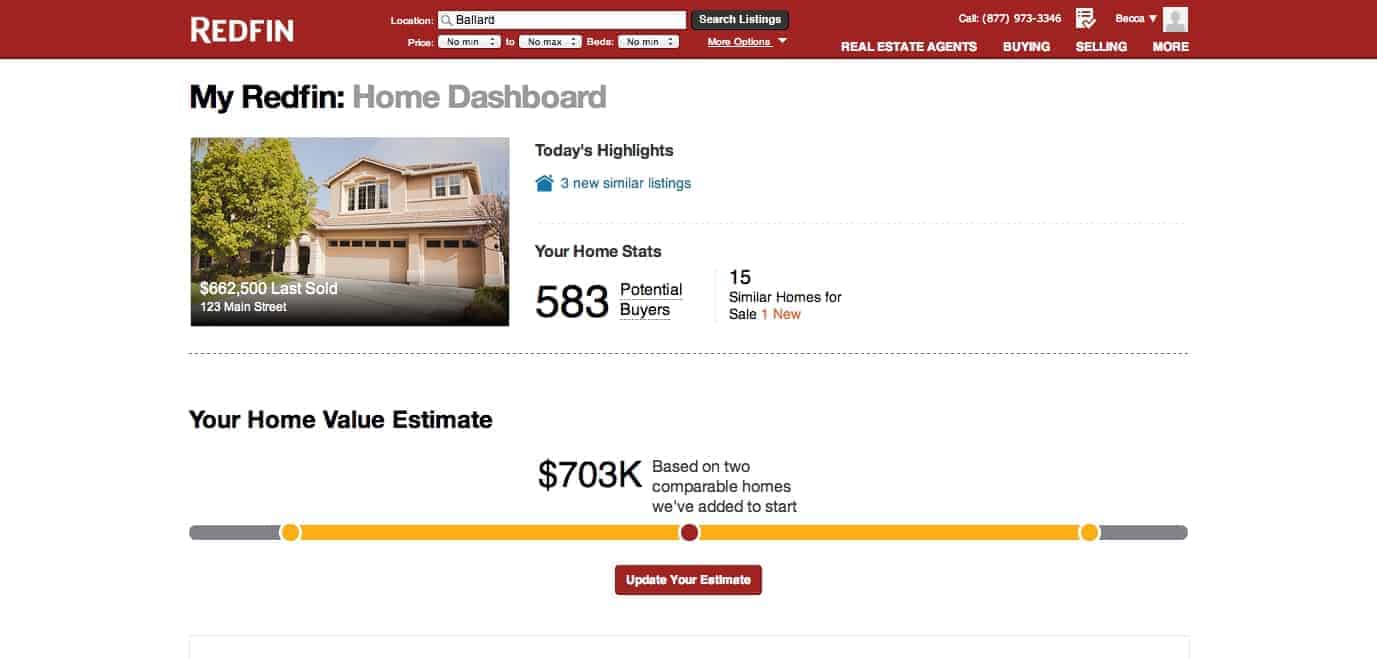
Redfin offers homeowners the option to receive instant cash offers through its “RedfinNow” service. A homeowner in Los Angeles used this feature to sell her property in under two weeks, skipping the traditional listing process.
Relevance: This case shows how cash-offer programs simplify the selling journey and eliminate uncertainty for those who need quick, predictable results.
Zillow’s Home Valuation and Marketing Tools
Zillow’s Zestimate tool uses real-time data to provide accurate property value predictions. A homeowner in Austin used Zillow’s valuation and marketing system to strategically price his home, resulting in multiple offers within three days.
Relevance: This example highlights how digital valuation tools empower sellers with insights to set competitive prices.
Opendoor’s Seamless Digital Selling Experience
Opendoor’s platform enables homeowners to sell their properties online without open houses or agent fees. A young couple in Atlanta used Opendoor to sell their home remotely while relocating for work, closing in just ten days.
Relevance: Opendoor represents how technology-driven solutions make selling a home efficient and stress-free.
Example 4: Realtor.com’s Seller Resources and Pricing Insights
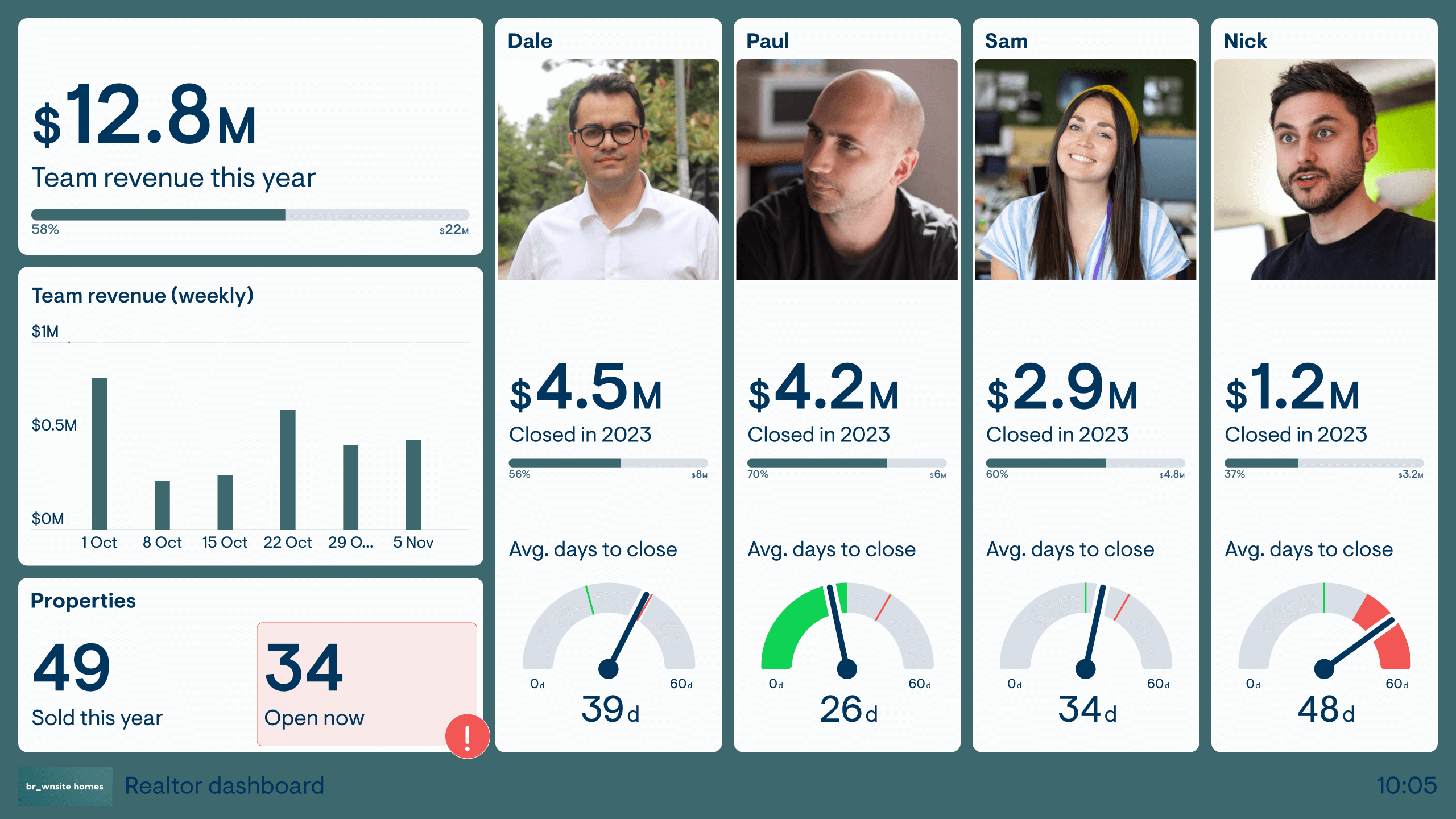
Realtor.com provides detailed seller guides, pricing calculators, and marketing insights. A family in Denver utilized these tools to prepare and promote their home effectively, selling above asking price within a month.
Relevance: Realtor.com’s data-driven resources show the power of informed decision-making when selling in competitive markets.
Benefits of Using Modern Home Selling Strategies
Selling a home in today’s digital era comes with numerous advantages when you combine traditional real estate principles with technology.
Faster Transactions
Digital platforms streamline every step, from valuation to closing, reducing the average selling time significantly.
Broader Buyer Reach
Online listings, social media ads, and virtual tours allow sellers to attract interest from buyers nationwide or even internationally.
Transparent Pricing
Data-based pricing insights help avoid overpricing or undervaluing your property. Sellers can confidently set competitive, realistic prices.
Convenience and Control
Technology puts more control in the seller’s hands, from viewing offers online to managing appointments and negotiations digitally.
Practical Use Cases: When You’re Looking to Sell Your Home
If you’re searching “looking to sell my home,” consider these common scenarios where specific approaches work best.
Relocating for Work
When you need to move quickly, platforms like Opendoor or RedfinNow can provide fast solutions that bypass traditional market delays.
Downsizing or Upgrading
Sellers transitioning to smaller or larger homes can benefit from accurate online valuations, ensuring both sales and purchases are well-timed.
Financial Emergencies
Cash-offer options help homeowners access liquidity fast without waiting for mortgage approvals or complex negotiations.
Inherited Property Sales
For those managing inherited homes, online tools simplify valuation and sale coordination, even remotely.
Overcoming Common Home-Selling Challenges
Selling a home isn’t without obstacles. Common challenges include unrealistic pricing expectations, poor property presentation, and limited buyer interest.
However, with proper planning, including accurate valuations, professional photos, and active online promotion, these issues can be minimized.
Additionally, homeowners who use digital home-selling platforms tend to receive more consistent traffic and qualified leads compared to traditional methods alone.
FAQs
1. What’s the first step when I’m looking to sell my home?
Start by determining your home’s market value using a professional appraisal or a trusted online valuation tool. Then prepare your property for listing by addressing maintenance, cleaning, and staging.
2. Should I use a real estate agent or sell independently?
That depends on your comfort level. Agents provide expertise and negotiation skills, while digital platforms allow for direct control. Many homeowners now combine both for the best results.
3. How long does it take to sell a home?
The timeframe varies depending on location and market conditions. Traditional listings average 30–60 days, while instant cash offers and online sales can close in as little as 7–14 days.