Why Businesses Choose to Rent Serviced Offices: A Complete Guide to Flexible Workspaces
In today’s dynamic business environment, flexibility is not just a preference; it’s a necessity. Traditional long-term office leases are being replaced by more agile solutions such as serviced offices. Renting serviced offices offers businesses fully equipped workspaces with short or flexible lease terms, ideal for startups, SMEs, and multinational companies expanding into new markets.
Serviced offices have emerged as one of the fastest-growing segments in commercial real estate. They provide plug-and-play convenience, allowing tenants to move in immediately without worrying about furniture, IT setup, or utilities. This flexibility makes them particularly appealing in cities like London, New York, Singapore, and Sydney, where business landscapes shift rapidly and adaptability is key.
Understanding Serviced Offices
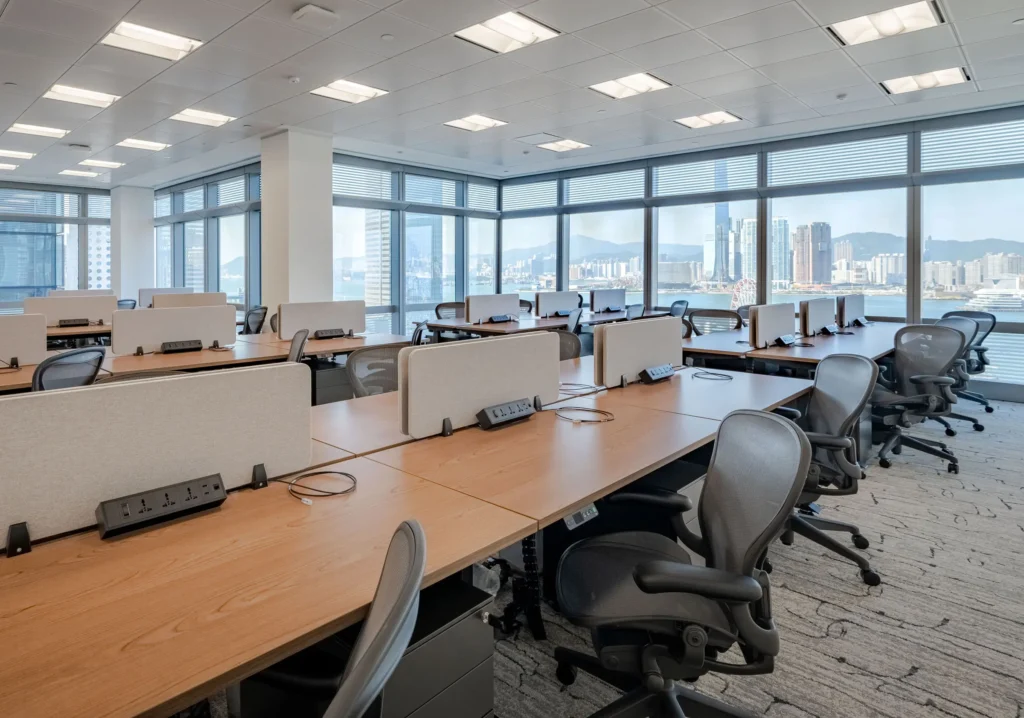
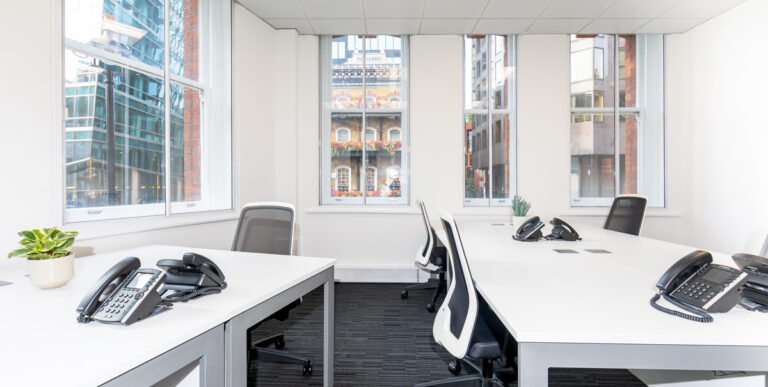
A serviced office is a fully managed, ready-to-use workspace provided by a third-party operator. Unlike traditional offices that require long-term leases and significant setup costs, serviced offices can be rented on monthly or short-term agreements.
The concept caters to businesses that prioritize scalability, cost-efficiency, and access to professional facilities without the administrative burden. Operators handle everything from high-speed internet and reception services to mail handling, cleaning, and maintenance, allowing tenants to focus entirely on their core operations.
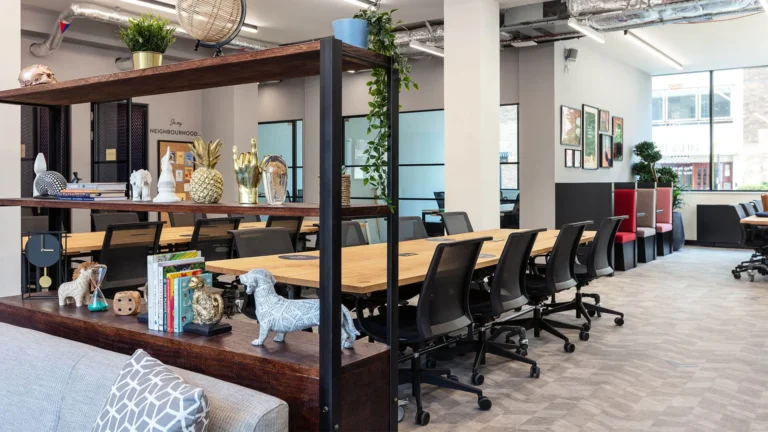
Serviced offices also come in a variety of formats, including private suites, co-working zones, and shared meeting rooms. Many are located in prime business districts, giving small companies the prestige of an established address without the premium cost of a conventional lease.
Why Businesses Rent Serviced Offices
The decision to rent serviced offices often stems from the need for adaptability and operational simplicity. Traditional offices require months of planning and heavy capital expenditure, whereas serviced offices deliver instant readiness.
Businesses rent serviced offices to:
- Reduce setup time – Immediate move-in options mean companies can start operations the same day they sign an agreement.
- Maintain flexibility – Short-term leases support scaling up or down based on headcount or market conditions.
- Enhance brand image – Premium office locations and modern interiors project professionalism and trust.
- Control costs – One monthly fee covers all utilities and amenities, avoiding surprise expenses.
Real-World Examples of Leading Serviced Office Providers
Spaces by IWG
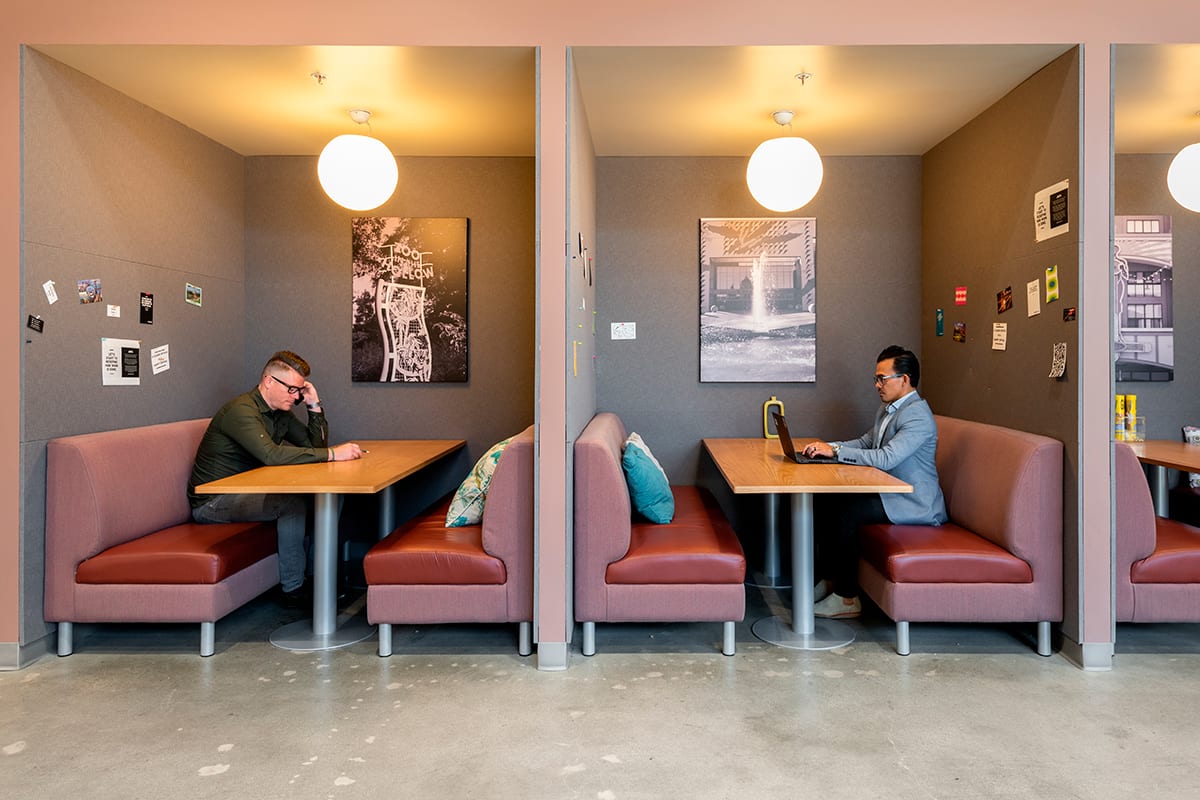
Spaces, part of the International Workplace Group (IWG), is a globally recognized serviced office provider focusing on creativity and collaboration. Its design philosophy emphasizes open, inspiring spaces that promote networking and community engagement.
Spaces offers flexible private offices, dedicated desks, and meeting rooms with high-end furnishings and smart office technology. Tenants benefit from access to global locations, professional support teams, and seamless digital booking systems. Businesses that rent serviced offices from Spaces often appreciate the brand’s focus on modern design and business connectivity.
Regus
Regus, also under the IWG umbrella, has been a pioneer in the serviced office industry for over 30 years. It provides over 3,000 locations worldwide, catering to freelancers, SMEs, and multinational corporations.
Regus offices come fully equipped with ergonomic furniture, IT infrastructure, and professional administrative support. Companies renting serviced offices through Regus gain access to prestigious business addresses and flexible arrangements that suit temporary projects, satellite teams, or regional expansions.
WeWork

WeWork is synonymous with innovation in shared office environments. While initially popular with startups, the company now attracts large enterprises seeking flexible workspace solutions.
Renting serviced offices through WeWork provides access to private offices, hot desks, and event spaces enhanced by community-driven programming. The brand integrates technology seamlesslyusing mobile apps for booking rooms, managing access, and networking with other members.
WeWork’s emphasis on community and sustainability has made it a preferred choice for forward-thinking businesses.
The Office Group (TOG)
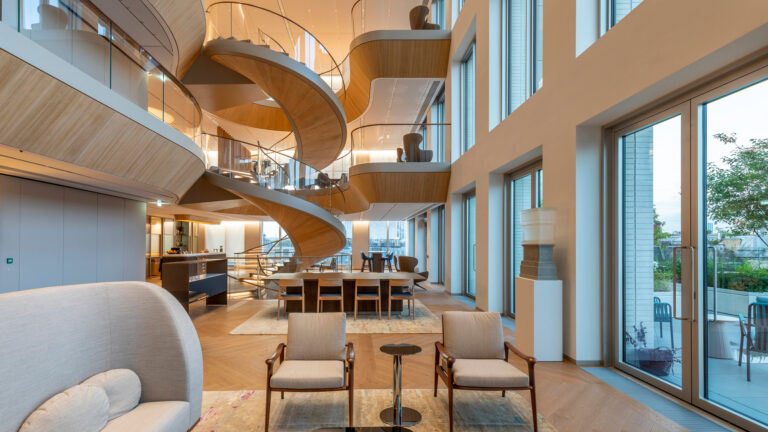
The Office Group combines flexibility with architectural excellence. Many of its serviced offices are located in iconic buildings, featuring bespoke interior designs that merge productivity with comfort.
Renting a serviced office from TOG gives tenants access to high-end amenities like gyms, cafes, podcast studios, and sustainable energy systems. Their spaces are tailored for modern businesses that want to align workspace aesthetics with their brand identity.
Landmark Offices
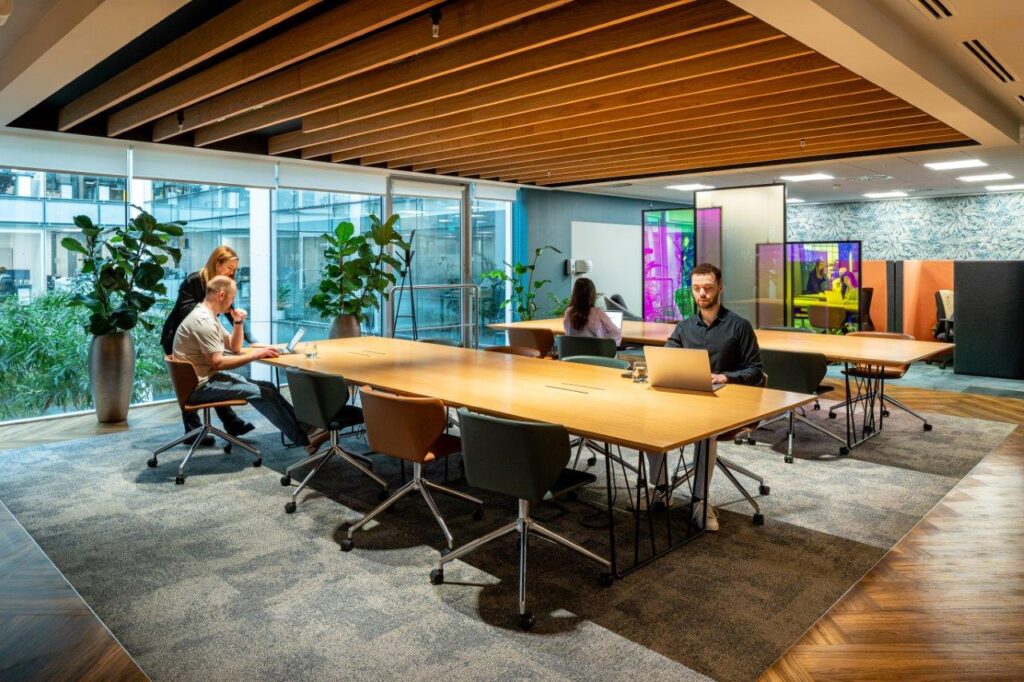
Landmark Offices operates premium serviced offices across major UK cities. Known for providing personalized customer service, Landmark offers a more boutique-style experience compared to larger providers.
Their serviced offices feature soundproofed rooms, luxury furnishings, and enterprise-grade connectivity. For businesses seeking privacy, professionalism, and flexible leases, Landmark offers an ideal balance between functionality and exclusivity.
Benefits of Renting Serviced Offices
Cost Efficiency and Predictability
One of the biggest advantages of renting serviced offices is financial control. Traditional leases often come with unpredictable costs, and maintenance, electricity, internet, and cleaning services add up quickly. Serviced offices consolidate all expenses into one transparent monthly payment.
This helps companies budget more effectively while avoiding upfront capital investments in furniture, renovation, or IT systems.
Flexibility and Scalability
Serviced offices provide unmatched flexibility. Businesses can rent additional desks or reduce space with minimal notice. This is particularly useful for companies undergoing rapid growth or those with project-based teams.
Scalability allows firms to expand into new markets without the long-term commitment of conventional leasing. It’s also a perfect solution for hybrid work models, where teams rotate between home and office.
Access to Prime Locations
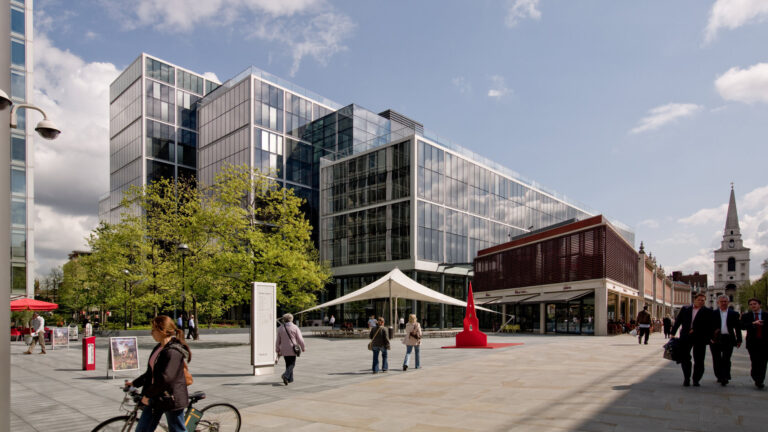
Many serviced offices are located in prestigious business districts such as London’s Canary Wharf, New York’s Midtown, or Sydney’s CBD. These addresses enhance a company’s credibility, making it easier to attract clients, investors, and top talent.
Having a business base in a recognized commercial area also provides logistical benefits, including proximity to transport hubs and essential amenities.
Professional Support and Networking Opportunities
Serviced offices come with trained on-site staff managing reception, IT support, and administrative tasks. This allows businesses to operate efficiently without hiring additional personnel.
Furthermore, many serviced office providers host community events, networking sessions, and workshops that encourage collaboration among tenants. These opportunities often lead to partnerships, referrals, and shared innovation.
How Technology Enhances Serviced Offices
The role of technology in serviced offices cannot be overstated. From digital access systems to AI-driven booking platforms, technology streamlines operations and enhances user experience.
Smart building systems monitor energy usage and climate control, while cloud-based management apps allow tenants to reserve rooms, manage billing, and communicate with staff in real-time.
Virtual reception services and integrated CRM tools further boost professionalism and customer service. In essence, technology transforms serviced offices from physical spaces into intelligent, data-driven environments that support modern work dynamics.
Practical Use Cases
Startups and Entrepreneurs
Startups benefit immensely from renting serviced offices because they can launch operations immediately without upfront setup costs. The flexible leases allow for quick scaling as the business grows, ensuring minimal risk in uncertain early stages.
Remote and Hybrid Teams
For companies adopting hybrid work models, serviced offices act as central collaboration hubs. Employees can gather for meetings, brainstorming, or client interactions without committing to a full-time lease.
Project-Based Teams
Large corporations often rent serviced offices for short-term projects or regional expansions. This eliminates the need for new infrastructure and ensures consistent quality across locations.
Frequently Asked Questions
1. What is included when you rent a serviced office?
Serviced offices typically include furniture, utilities, high-speed internet, cleaning, maintenance, reception, and access to shared facilities such as meeting rooms and kitchens, all in one monthly payment.
2. Who can benefit most from serviced offices?
Serviced offices are ideal for startups, freelancers, SMEs, and international companies looking for flexible, fully equipped spaces without the burden of traditional long-term leases.
3. How long can you rent a serviced office for?
Most serviced office providers offer flexible terms from as short as one month to several years, depending on your business requirements and location preferences.