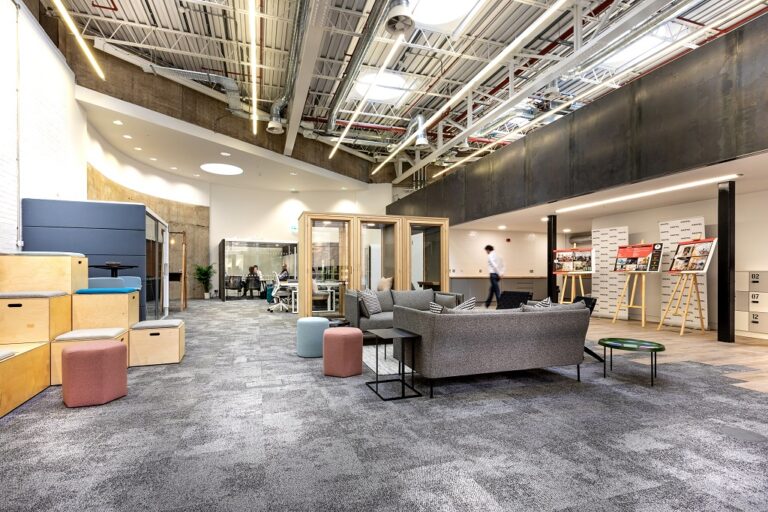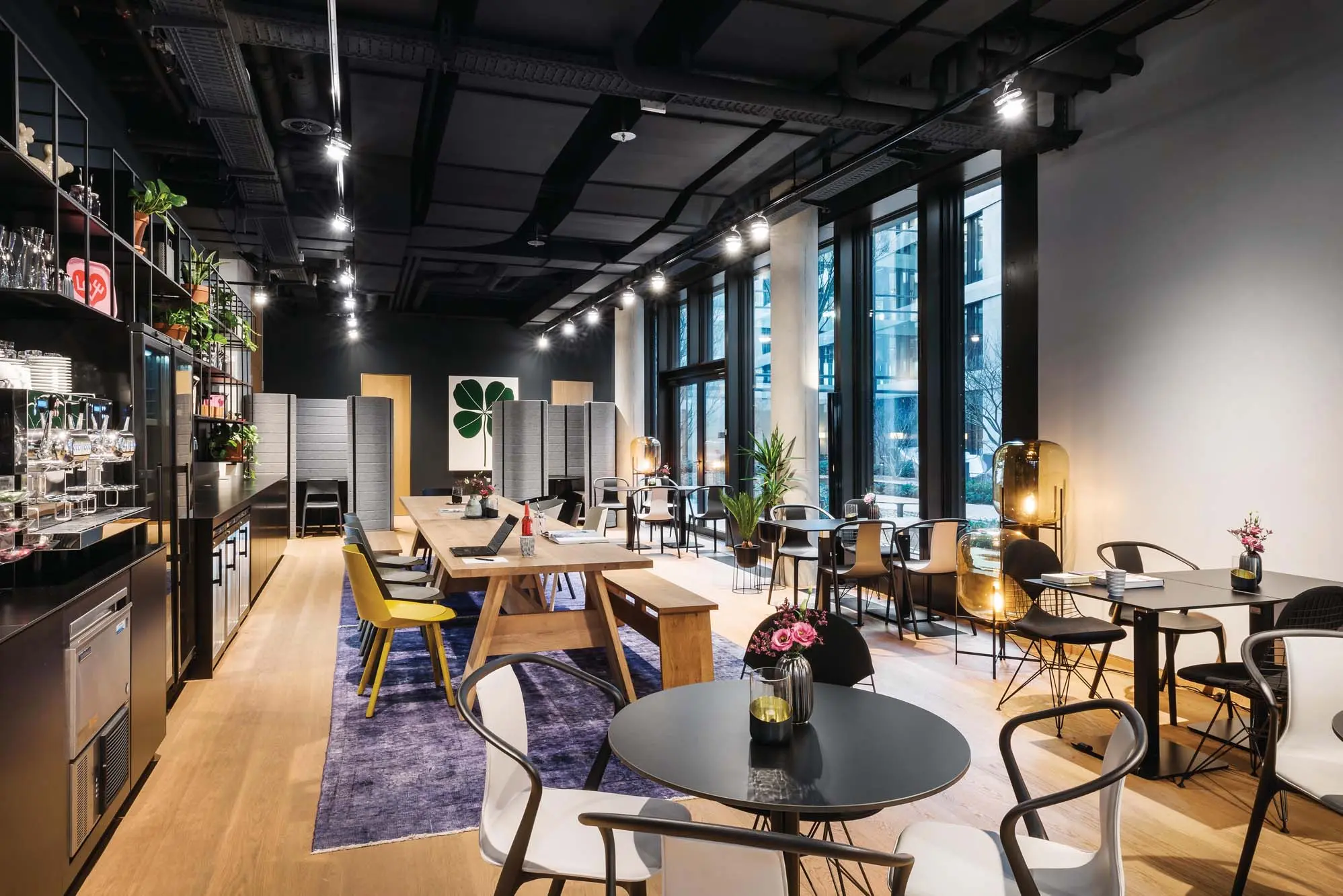
Understanding Serviced Office Space: The Complete Guide for Modern Businesses
Serviced office space has become the go-to solution for businesses seeking flexibility, convenience, and cost-efficiency. Instead of committing to long-term leases and handling maintenance or IT setups, companies can rent fully managed and ready-to-use offices tailored to their operational needs.
These spaces are not just about having desks and chairs. They represent a paradigm shift in how businesses approach workspace management from startups to global enterprises. This article dives deep into what serviced office spaces are, why they matter, and how they’re transforming the way modern businesses operate.
What Is Serviced Office Space?
Serviced office space refers to a fully furnished and equipped workspace managed by a third-party provider. Tenants can rent individual offices or entire suites for short or flexible terms, with the cost typically covering rent, utilities, cleaning, reception, maintenance, and internet access.
Unlike traditional leasing models, serviced offices are turnkey solutions. Businesses can move in immediately without worrying about setting up infrastructure, hiring cleaners, or negotiating utility contracts. This model is particularly attractive to startups, remote teams, and expanding firms testing new markets.
In high-demand cities like London, New York, and Singapore, serviced offices are often located in prestigious business districts. They allow smaller firms to enjoy premium addresses and high-end amenities without the heavy financial burden of owning or long-term leasing commercial property.
How Serviced Office Space Works
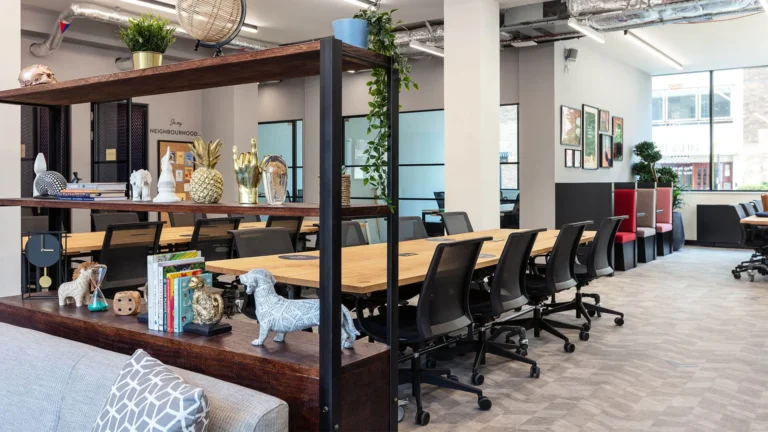
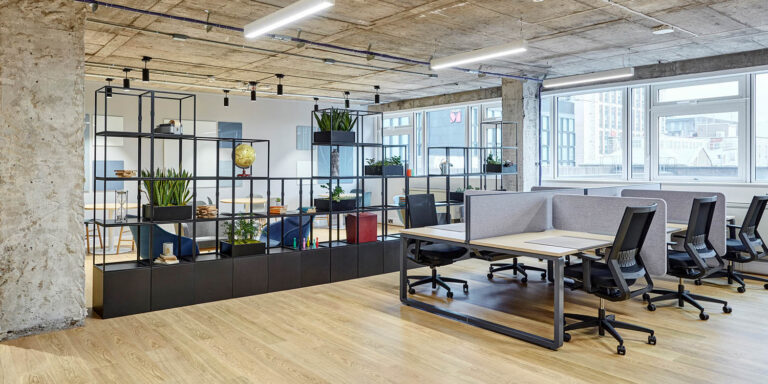
Serviced office providers lease entire buildings or floors, fit them out with furniture, meeting rooms, IT systems, and shared facilities. Businesses then rent private offices or shared desks on a monthly or quarterly basis.
The key advantage lies in simplicity; a single invoice covers all essential services. Most serviced offices include:
- Fully furnished private offices and coworking areas
- High-speed internet and IT infrastructure
- Reception and administrative support
- Cleaning and maintenance services
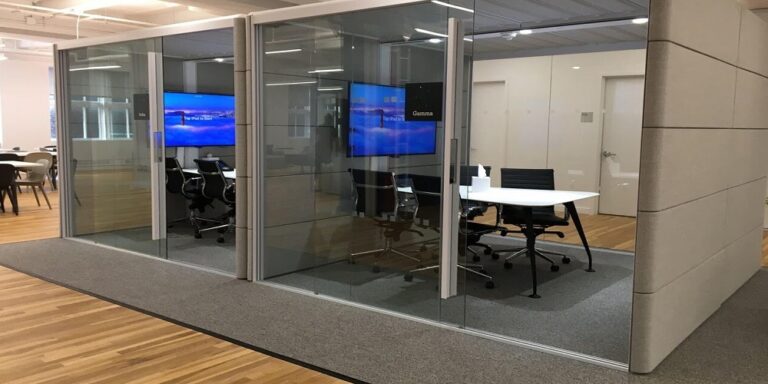
- Access to shared meeting rooms and breakout areas
This operational model empowers businesses to scale up or down quickly without the financial strain of conventional property commitments.
Benefits of Using Technology in Serviced Office Space
Modern serviced offices leverage technology to enhance productivity, efficiency, and tenant experience.
Smart building systems integrate lighting, temperature control, and access management into a unified platform. This not only optimizes energy use but also provides occupants with greater control over their work environment.
Cloud-based collaboration tools like Microsoft Teams, Zoom, and Slack are seamlessly integrated into meeting rooms, enabling hybrid teams to work effectively. Digital booking systems allow tenants to reserve conference rooms, parking, or event spaces with ease.
Advanced connectivity is another major benefit. Managed office providers ensure enterprise-grade network security, private VLAN setups, and 24/7 IT support, allowing companies to operate without worrying about technical issues.
Real-World Examples of Serviced Office Space Providers
Regus
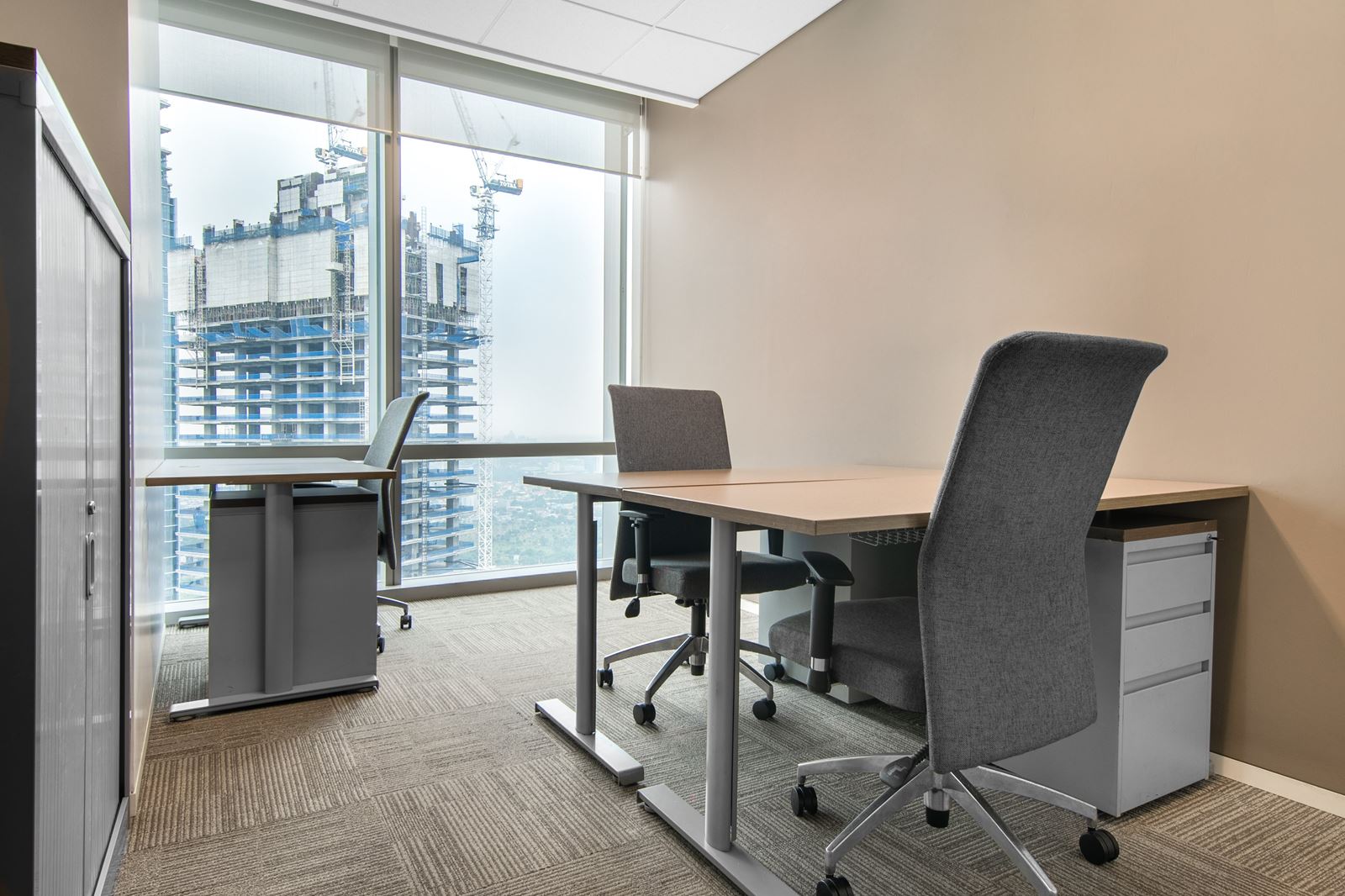
Regus is one of the world’s most established serviced office brands, with locations across more than 100 countries. It offers a mix of private offices, coworking spaces, and meeting rooms designed for maximum flexibility.
Their technology-driven model includes online booking platforms, virtual office setups, and fully managed facilities. For many small and medium enterprises, Regus provides a gateway into prestigious business districts without high capital investment.
WeWork

WeWork redefined the serviced office industry by combining design, technology, and community. Beyond offering workspaces, it creates ecosystems that foster networking and innovation.
Each location provides beautifully designed interiors, fast Wi-Fi, and amenities such as cafes, event spaces, and private phone booths. Their mobile app allows members to book desks, connect with other users, and access global WeWork locations, a model well-suited for digital nomads and remote-first teams.
The Office Group (TOG)
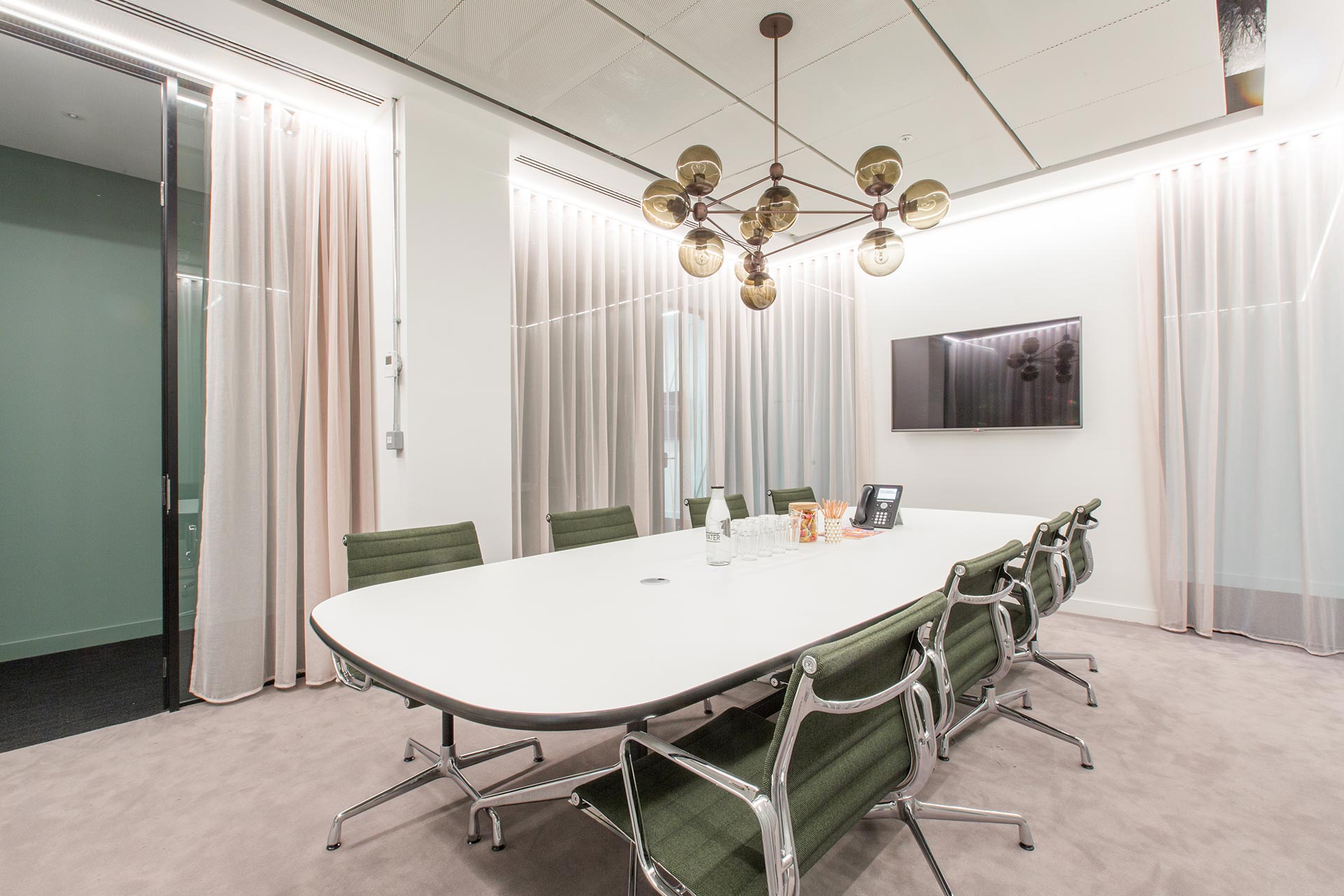
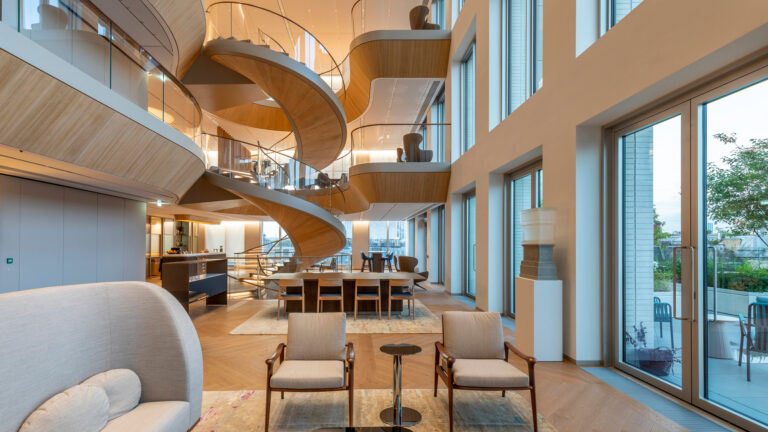
The Office Group emphasizes sustainability and design. Their serviced offices are located in architecturally distinctive buildings, offering creative work environments that reflect brand identity.
TOG’s offices use smart energy systems, flexible meeting setups, and digital concierge platforms that allow tenants to manage services conveniently. This combination of aesthetics and technology positions TOG as a top choice for creative industries and professional firms.
Spaces
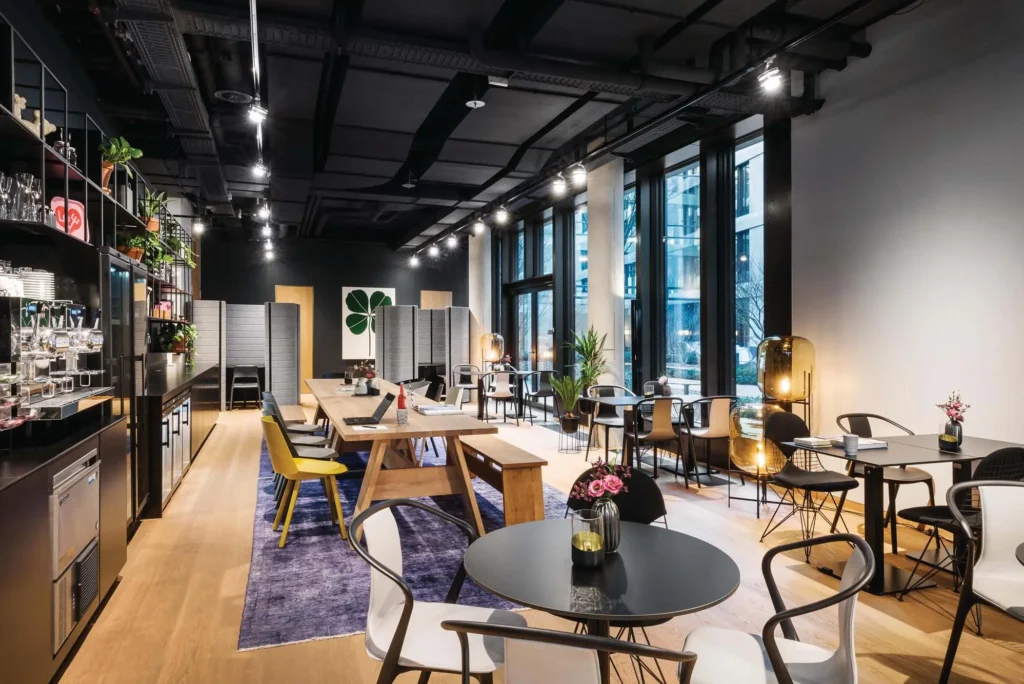
Spaces focuses on community-driven workspaces with a modern design ethos. Each office is designed to inspire productivity and collaboration, with digital tools for seamless meeting scheduling and access control.
Its integration of coworking lounges, dedicated offices, and tech-enabled meeting facilities appeals to entrepreneurs and corporates alike. The emphasis on design and connectivity sets it apart in the serviced office landscape.
Practical Benefits of Serviced Office Space
Serviced offices deliver a wide range of practical advantages that cater to evolving business needs.
1. Flexibility: Companies can rent spaces by the month, quarter, or year, ideal for scaling up or down quickly.
2. Cost Efficiency: With utilities, maintenance, and reception included, businesses avoid unexpected overhead costs.
3. Prime Locations: Access to prestigious business addresses enhances corporate credibility.
4. Time Savings: Move-in-ready offices eliminate downtime associated with setup.
5. Professional Support: On-site staff handle daily operations, allowing teams to focus on strategic goals.
This model is particularly beneficial for international firms entering new markets, freelancers seeking professional environments, and enterprises transitioning to hybrid work models.
Use Cases: How Serviced Offices Solve Real Business Challenges
For Startups
Serviced offices give startups instant access to professional infrastructure without upfront capital investment. This allows founders to allocate more funds to product development and marketing rather than office setup.
For Remote Teams
Hybrid work arrangements benefit greatly from serviced offices. Teams can meet periodically in flexible spaces equipped with advanced video conferencing and collaborative tools, maintaining productivity and cohesion.
For Expanding Corporations
When global companies enter new markets, serviced offices serve as low-risk pilot locations. They can establish a presence quickly while assessing local business potential.
For Professional Services
Law firms, consultancies, and design agencies use serviced offices to project professionalism and accommodate client meetings in prestigious locations. The all-inclusive model ensures they maintain operational focus.
Future Trends in Serviced Office Space
The serviced office industry is rapidly evolving with the integration of smart technologies and sustainability initiatives.
Future workspaces will incorporate artificial intelligence for energy optimization, predictive maintenance, and personalized occupant experiences. Green building certifications and eco-friendly materials are becoming standard features, appealing to environmentally conscious businesses.
Additionally, hybrid membership models where employees can access multiple global office locations are reshaping how companies view workspace ownership.
Frequently Asked Questions
1. What is the difference between a serviced office and a coworking space?
A serviced office offers private, fully managed spaces for individual companies, while coworking spaces emphasize shared environments and community interaction. Both models provide flexibility, but serviced offices offer greater privacy and branding control.
2. Are serviced offices suitable for large companies?
Yes. Many large enterprises use serviced offices for project teams, regional branches, or transitional operations. The scalability and support services make them ideal for both small startups and multinational corporations.
3. How flexible are serviced office contracts?
Contracts are typically available on monthly or quarterly terms, allowing businesses to adjust their office size or lease duration as their needs evolve. This is far more flexible than traditional commercial leases.