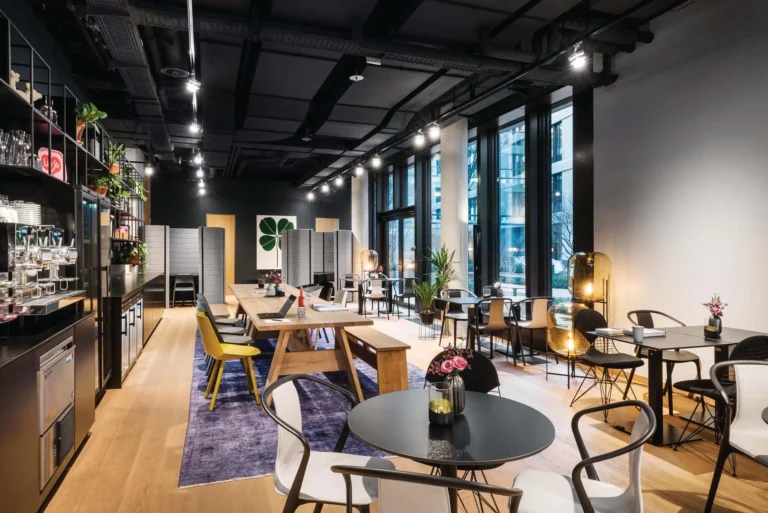
Managed Serviced Offices: The Modern Workspace Solution for Growing Businesses
The rise of flexible work has transformed how companies use office space. Businesses now seek agile, cost-efficient, and ready-to-operate workplaces that adapt to their growth and operational needs. Among the many workspace solutions available, managed serviced offices have emerged as one of the most attractive models, combining flexibility, convenience, and professional management under a single contract.
This article explores in depth what managed serviced offices are, how they differ from traditional leases, the technology driving their evolution, and real-world examples of operators offering exceptional managed office experiences.
Understanding Managed Serviced Offices
A managed serviced office is a fully equipped, professionally managed workspace that provides businesses with private offices, shared amenities, and operational support on flexible terms. Unlike conventional office leases that require long-term commitments, managed serviced offices offer move-in-ready environments where everything from furniture to internet is handled by a management provider.
These offices are particularly popular among startups, SMEs, and even large corporations seeking satellite offices or project spaces. The managed element means that companies do not have to worry about daily facility operations, maintenance, or utilities. Instead, they can focus entirely on business growth while the provider ensures the workspace remains efficient and well-maintained.
The “serviced” component refers to a suite of included benefits such as cleaning, IT support, reception services, mail handling, meeting room access, and more. This turnkey approach allows teams to start working from day one without worrying about logistics or infrastructure.
Key Characteristics of Managed Serviced Offices
While each provider has its unique offering, most managed serviced offices share these core characteristics:
Flexibility in Contracts
Leases can range from one month to several years. Businesses can scale up or down depending on team size, which is ideal for companies experiencing rapid growth or restructuring.
Fully Furnished and Equipped
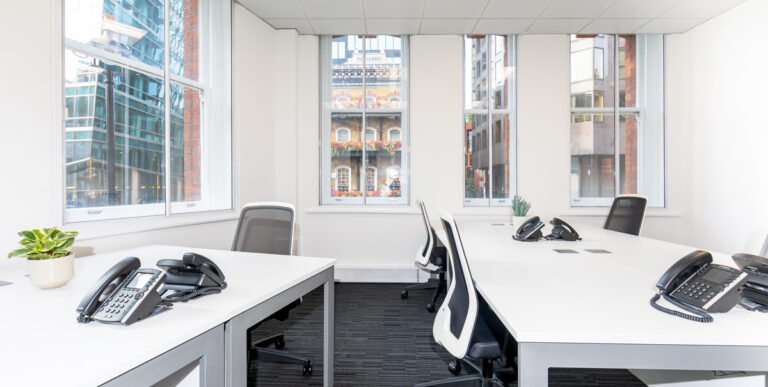
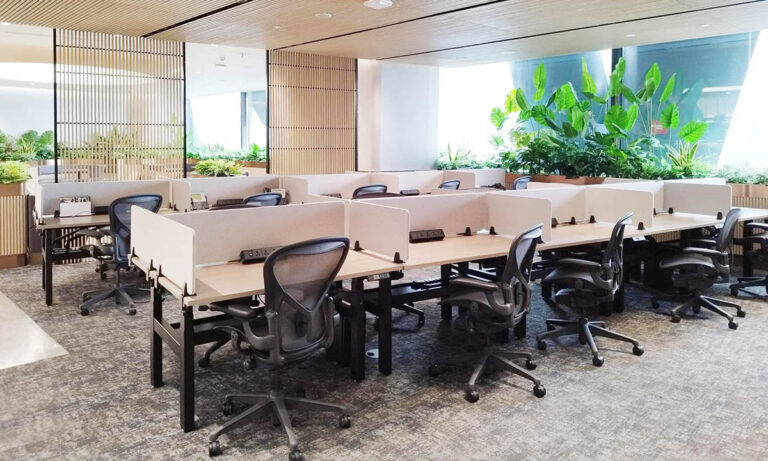
Spaces come pre-fitted with ergonomic furniture, high-speed internet, telecommunication systems, and secure access. Tenants avoid the hassle and capital expense of setup and installation.
Centralized Management
The provider handles day-to-day operations, cleaning, maintenance, and IT support. This makes the experience seamless and ensures minimal downtime.
Premium Amenities
Managed serviced offices often include shared spaces such as boardrooms, lounges, kitchens, gyms, and event areas. The environment promotes collaboration, networking, and productivity.
Scalability and Customization
Tenants can tailor office layouts or branding to reflect their corporate identity. This customization helps businesses maintain brand consistency within a shared building environment.
Difference Between Managed Offices and Serviced Offices
Although the terms are sometimes used interchangeably, there’s a subtle but important difference between a managed office and a serviced office.
A serviced office typically offers pre-configured spaces with standard layouts and shared amenities. The pricing includes rent and services bundled into one fee.
A managed office, on the other hand, provides a more bespoke experience; it can be customized to match a company’s specific requirements (such as layout design, IT infrastructure, and branding). It usually involves a longer-term agreement but remains more flexible than a traditional lease.
Therefore, a managed serviced office is essentially a hybrid: the customization of a managed office combined with the convenience of a serviced workspace.
How Technology Enhances Managed Serviced Offices

Technology plays a transformative role in the success of managed serviced offices. Modern providers leverage digital tools to enhance comfort, efficiency, and collaboration.
Smart Building Management
IoT (Internet of Things) devices monitor and control lighting, temperature, and air quality. Occupants can adjust environmental settings through mobile apps, improving comfort and sustainability.
Digital Access and Security
Cloud-based access control systems allow tenants to enter offices using smartphone credentials or biometric scanners. Security cameras and monitoring tools ensure safety while maintaining privacy.
Workspace Analytics
Data on occupancy rates, meeting room usage, and energy consumption help providers optimize space utilization. Businesses can also use this data to plan resource allocation effectively.
Cloud Collaboration Tools
Integrated systems like Microsoft Teams, Zoom, and Slack are pre-configured for office users. This simplifies hybrid work coordination, allowing remote and on-site staff to work seamlessly together.
Booking and Billing Portals
Automated platforms enable tenants to book meeting rooms, request maintenance, or review invoices online. This self-service approach streamlines operations and reduces administrative friction.
By merging smart infrastructure with service excellence, managed serviced offices deliver a technology-enhanced environment that supports the future of work.
Real-World Examples of Managed Serviced Offices
Here are some of the most well-known examples of providers offering managed serviced office solutions around the world.
Example 1: The Office Group (TOG)
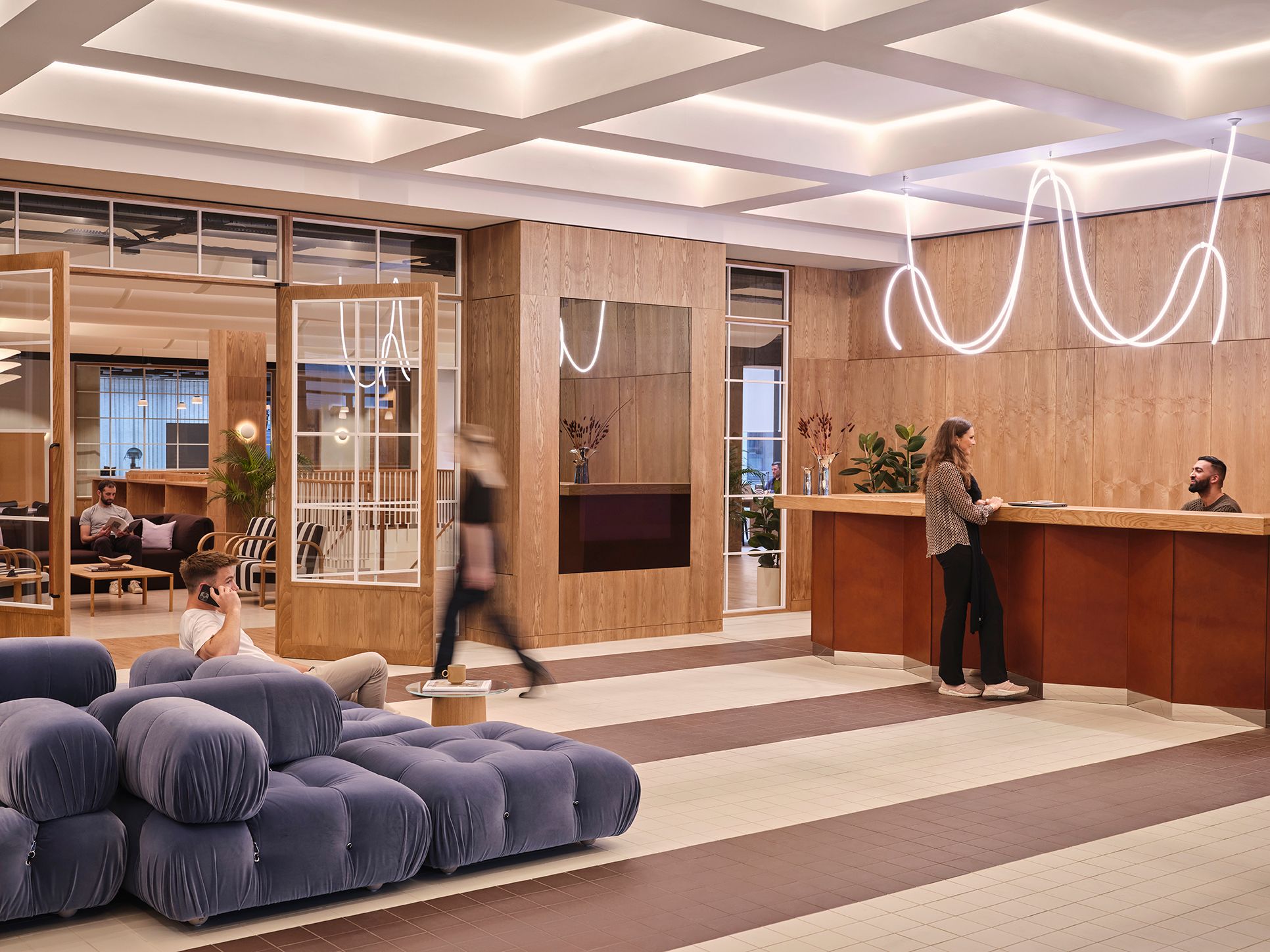
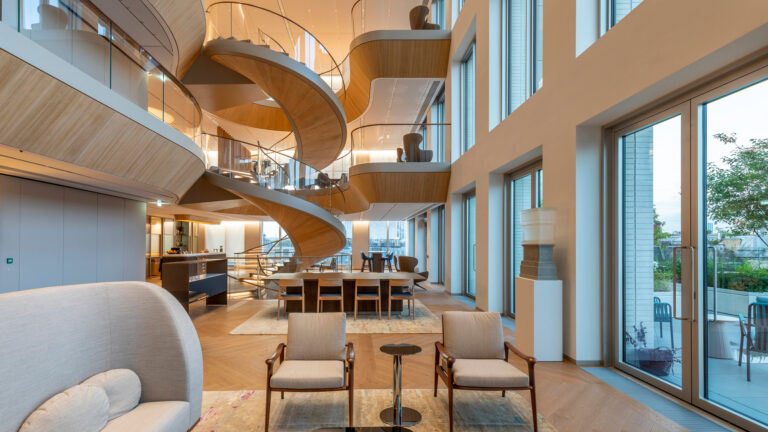
The Office Group (TOG) is one of the pioneers in the flexible office market, providing beautifully designed managed serviced offices across the UK and Europe. Their properties feature contemporary architecture, ergonomic furniture, and sustainable design elements.
TOG’s model focuses on blending private office functionality with shared community spaces. Clients can customize their suites, access wellness facilities, and enjoy high-end amenities like cafés, roof terraces, and podcast studios. Their proprietary app allows tenants to manage memberships, book meeting spaces, and connect with other companies in the building, merging technology and service seamlessly.
Regus
Regus, a global leader in flexible workspace solutions, operates thousands of serviced and managed offices worldwide. Their managed serviced offices cater to corporate clients requiring large, bespoke spaces without the burden of managing infrastructure.
Regus offices offer everything from high-speed internet and on-demand meeting rooms to reception support and mail handling. Their digital ecosystem allows members to access workspaces globally and manage bookings through an integrated platform.
Knotel
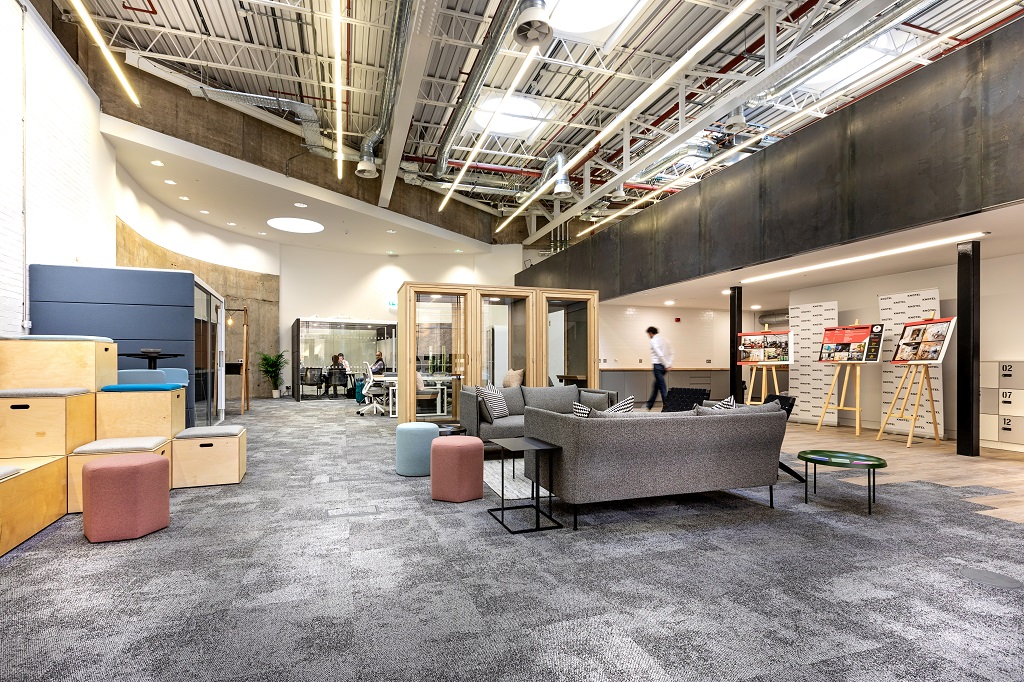
Knotel focuses on custom-built managed offices tailored to a company’s brand and workflow. Each space is designed to reflect the client’s culture and operational needs, from layout to IT systems.
The company’s technology-driven approach ensures efficient management from design planning to maintenance. Knotel’s flexibility appeals to enterprises that require agility in scaling operations while maintaining consistent quality and branding.
WeWork
WeWork offers managed serviced office solutions that combine hospitality-inspired design with digital convenience. Members benefit from enterprise-level Wi-Fi, booking systems, and event programming that supports networking and community engagement.
WeWork’s mobile app acts as a digital gateway that users can reserve meeting rooms, access buildings securely, and communicate with other members globally. The brand’s technology-forward ethos positions it as one of the leaders in workspace innovation.
Landmark Offices

Landmark Offices offers managed serviced offices throughout the UK, emphasizing professional environments for corporate clients. They combine modern aesthetics with strong IT infrastructure and hospitality-grade service.
Landmark’s managed model allows businesses to personalize their space, including branded reception areas, dedicated meeting zones, and integrated technology systems. Their client success team ensures smooth operations while the digital portal streamlines communication and service requests.
Benefits of Managed Serviced Offices
Cost Efficiency
By bundling rent, utilities, and services into one predictable monthly fee, companies can better manage cash flow. There are no hidden maintenance costs or capital expenditures.
Flexibility and Scalability
Businesses can upsize or downsize depending on market conditions, without the penalties or rigidity of long leases. This adaptability is crucial in uncertain economic environments.
Focus on Core Business
Because the provider handles facility management, companies can focus entirely on productivity and growth instead of property logistics.
Enhanced Brand Image
Modern, well-designed managed offices elevate a company’s image and help attract top talent. Many include impressive lobbies, lounges, and tech-equipped meeting rooms that make a strong client impression.
Access to Prime Locations
Managed serviced offices often occupy prestigious addresses in city centers, providing businesses with access to major transport links and professional ecosystems.
Use Cases: When Managed Serviced Offices Are the Ideal Solution
Startups and Scale-ups
Startups can access professional offices without long-term commitment or capital investment. As they grow, they can expand within the same building or network.
Project-based Teams
Companies managing short-term projects can set up temporary headquarters with all the necessary amenities, avoiding traditional lease restrictions.
Satellite or Regional Offices
Enterprises expanding to new cities can establish branch offices quickly, ensuring operational continuity and consistent brand standards.
Hybrid Work Models
For businesses adopting hybrid setups, managed serviced offices provide flexible arrangements that accommodate part-time staff or rotating teams.
Corporate Downsizing or Restructuring
During restructuring phases, companies can shift from fixed leases to managed offices to reduce costs while retaining a professional presence.
Frequently Asked Questions
1. What is the main difference between a managed serviced office and a coworking space?
A managed serviced office provides private, customized office suites managed by a provider, whereas a coworking space emphasizes shared desks and open layouts. Managed serviced offices offer more privacy and branding opportunities.
2. Are managed serviced offices suitable for large corporations?
Yes. Many large enterprises use managed serviced offices for project teams, satellite offices, or transitional headquarters. They provide the infrastructure of a traditional office without long-term commitments.
3. How long are typical managed serviced office contracts?
Contracts are flexible; they can range from short-term monthly arrangements to multi-year agreements, depending on the company’s size, customization needs, and growth plans.