
How to Rent Out My Condo Successfully: Complete Step-by-Step Guide for Condo Owners
Renting out a condo can be an excellent way to generate a steady income while maintaining ownership of your property. However, the process requires more than just posting a listing. From preparing your condo and setting the right rental price to managing tenants and using online tools, every step matters.
If you’ve ever wondered “how to rent out my condo”, this comprehensive guide will help you navigate the process confidently and effectively. You’ll learn practical steps, technology-driven strategies, and real-world examples that make condo renting smooth and profitable.
Understanding the Condo Rental Process
Renting out a condo differs slightly from renting out a single-family home or apartment. Condo owners must follow specific association rules, prepare the unit for tenants, and ensure compliance with legal and building regulations.
The process typically includes five key stages:
- Preparing your condo for rent.
- Setting an appropriate rental price.
- Listing your condo on online platforms.
- Screening potential tenants.
- Managing the lease and ongoing maintenance.
Understanding these steps before starting ensures that you stay organized and attract reliable tenants faster.
Preparing Your Condo for Rent

Before listing your condo, you must prepare it to appeal to potential tenants. Presentation, functionality, and cleanliness play major roles in how fast your condo rents out.
Start with an inspection. Fix any maintenance issues such as plumbing leaks, malfunctioning appliances, or peeling paint. A move-in-ready condo signals professionalism and attracts responsible renters.
Next, focus on staging and presentation. Use natural light, neutral decor, and minimal furniture to make the space feel inviting. Professional photos can make a big difference when you post your listing online. Condos with bright, clean, and clutter-free images receive significantly more inquiries.
Additionally, gather all necessary documents: proof of ownership, condo association approval, and any relevant maintenance records. Some condo boards require written consent or registration of your tenant, so always check community rules before proceeding.
Setting the Right Rental Price
Pricing your condo correctly is essential to balance income and demand. If you set the rent too high, your unit may stay vacant for months; too low, and you could lose potential revenue.
Start by researching comparable rentals in your area. Look for condos with a similar size, amenities, and locations. Online rental platforms such as Zillow, Realtor.com, and Rentometer offer rent estimation tools that analyze current market trends.
When setting your price, consider amenities like parking, gym access, or in-building laundry facilities. These features can justify higher rent and make your listing more competitive.
Finally, account for additional costs such as HOA fees, utilities, and property taxes. Including these factors ensures that your rental price covers all expenses while remaining attractive to potential tenants.
Listing Your Condo on the Right Platforms

Today’s renters primarily search online, so listing your condo on the right platforms is crucial. A well-crafted online listing with high-quality visuals and clear information helps your property stand out.
Example 1: Zillow Rental Manager
Zillow Rental Manager is one of the most popular platforms for landlords. It lets you upload photos, set rent, and screen tenants. The platform distributes your listing across Zillow’s partner sites, giving your condo maximum visibility.
Example 2: Apartments.com
Apartments.com specializes in apartment and condo listings. It offers detailed search filters, allowing renters to find your property easily. It also includes a 3D tour option, making your condo accessible to renters searching remotely.
Example 3: RentCafe
RentCafe provides an integrated solution for landlords to list, manage, and track tenant applications. Its dashboard offers analytics to help you understand which parts of your listing attract the most attention.
Example 4: Facebook Marketplace
If you’re targeting local renters or short-term tenants, Facebook Marketplace can be a quick and effective option. It allows you to communicate directly with interested renters, reducing response times.
Example 5: Realtor.com
Realtor.com attracts a mix of renters and buyers, giving landlords access to a diverse audience. Its credibility and broad reach make it one of the best options for professional condo listings.
Each platform has unique strengths, but using a combination can increase your condo’s visibility and ensure that you reach qualified renters quickly.
Benefits of Using Technology to Rent Out Your Condo
Technology has revolutionized the condo rental process. What once required paperwork, phone calls, and manual management can now be handled seamlessly online.
Modern property management software and platforms simplify every stage from advertising to rent collection. Tools like Avail, Buildium, and Propertyware allow landlords to automate communication, maintenance requests, and lease renewals.
One key benefit of using technology is time efficiency. Instead of manually screening applicants or chasing rent payments, landlords can automate these tasks and focus on growing their rental portfolio.
Another advantage is data insight. Platforms provide analytics showing how many people viewed your listing, where your leads come from, and what features tenants value most. These insights help refine your strategy and improve future listings.
Technology also ensures transparency. Digital leases, online payments, and secure document storage create an organized system that benefits both landlords and tenants.
Common Challenges When Renting Out a Condo
While renting out a condo can be rewarding, it also presents challenges that differ from traditional property rentals.
- Condo Association Rules: Many condos have regulations about renting, including tenant approval processes and minimum lease terms.
- Maintenance Responsibilities: Landlords must coordinate repairs while respecting the HOA boundaries on what can or cannot be altered.
- Tenant Screening: Finding reliable tenants requires careful evaluation of credit, employment, and rental history.
- Vacancy Management: Empty periods can affect your cash flow, so maintaining marketing efforts and competitive pricing is vital.
By anticipating these issues, landlords can prepare effective solutions that minimize disruption and maintain profitability.
Real-World Use Cases and Technology Solutions
Use Case 1: Individual Landlord Using Avail

Avail helps small landlords list, screen, and manage tenants in one platform. You can create professional listings, perform credit checks, and collect rent online. For someone renting out a single condo, Avail streamlines operations without the need for an agent.
Use Case 2: Multi-Unit Management with Buildium
Buildium is ideal for property managers or landlords handling multiple condos. It centralizes maintenance requests, accounting, and tenant communication. By automating routine processes, landlords save time and maintain organized records.
Use Case 3: Tenant Screening with SmartMove
SmartMove by TransUnion provides reliable tenant screening tools, including credit, eviction, and background checks. It gives landlords peace of mind before signing a lease, reducing the risk of rent default or property damage.
Use Case 4: Marketing on RentCafe
RentCafe’s integrated platform not only helps you advertise your condo but also tracks renter engagement. The analytics dashboard shows which listings perform best, allowing you to optimize descriptions and images.
Use Case 5: Automating Rent Collection with Propertyware
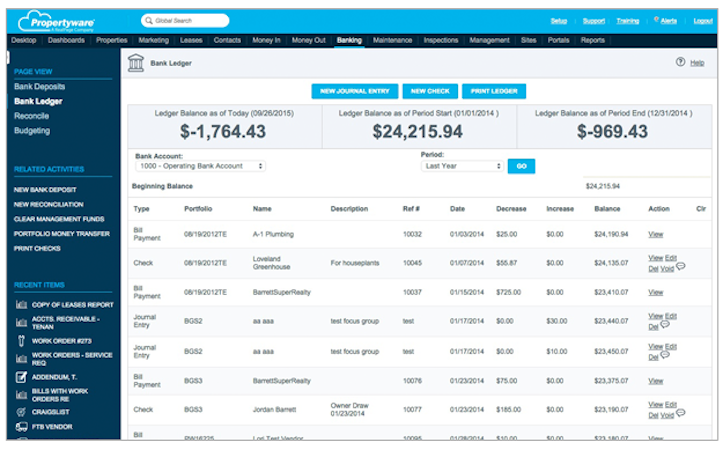
Propertyware offers automated rent collection and accounting tools. This feature is particularly helpful for landlords managing multiple tenants or properties, ensuring timely payments and accurate financial tracking.
Benefits of Renting Out a Condo
Renting your condo offers both short-term and long-term advantages.
Financially, it provides a consistent monthly income and allows you to retain ownership of a valuable asset. Condos in urban or high-demand areas often appreciate, offering additional long-term gains.
From a practical perspective, renting out your condo allows flexibility. For example, if you move temporarily for work, you can earn passive income while keeping your property for future use.
Additionally, renting out your condo contributes to the housing market by providing quality rental options in well-maintained communities.
Practical Use Cases in Real Life
Imagine a condo owner who relocates abroad for a job opportunity but doesn’t want to sell their property. Using online tools like Avail or Buildium, they can manage tenants, collect rent, and handle maintenance remotely.
Another example involves a real estate investor with several condos across different buildings. By adopting Propertyware, they can automate rent collection, consolidate expenses, and monitor tenant satisfaction from a single dashboard.
These examples demonstrate how technology allows landlords to operate efficiently, even from different cities or countries.
Frequently Asked Questions
1. Do I need permission from my condo association to rent out my unit?
Yes, most condo associations require notification or approval before you can rent out your unit. Always review your building’s bylaws and leasing restrictions.
2. What should I include in my condo lease agreement?
A solid lease should outline the rent amount, payment schedule, duration, maintenance responsibilities, and rules about pets or modifications. It protects both you and your tenant legally.
3. How can I ensure my tenant maintains the property properly?
Set clear expectations in the lease and conduct periodic inspections. Using digital maintenance request tools also helps ensure issues are addressed promptly.