How to List Your Rental Property: Complete Step-by-Step Guide for Homeowners
If you’ve ever thought, “I want to rent out my property, but I don’t know where to start,” this guide is for you. Listing your rental property is more than just posting photos online; it’s about creating a compelling presentation, setting the right price, and leveraging technology to reach qualified tenants quickly.
Whether you’re renting your home for the first time or managing multiple properties, understanding how to list your rental effectively can save you time, reduce vacancies, and maximize rental income.
Understanding the Importance of a Strong Property Listing
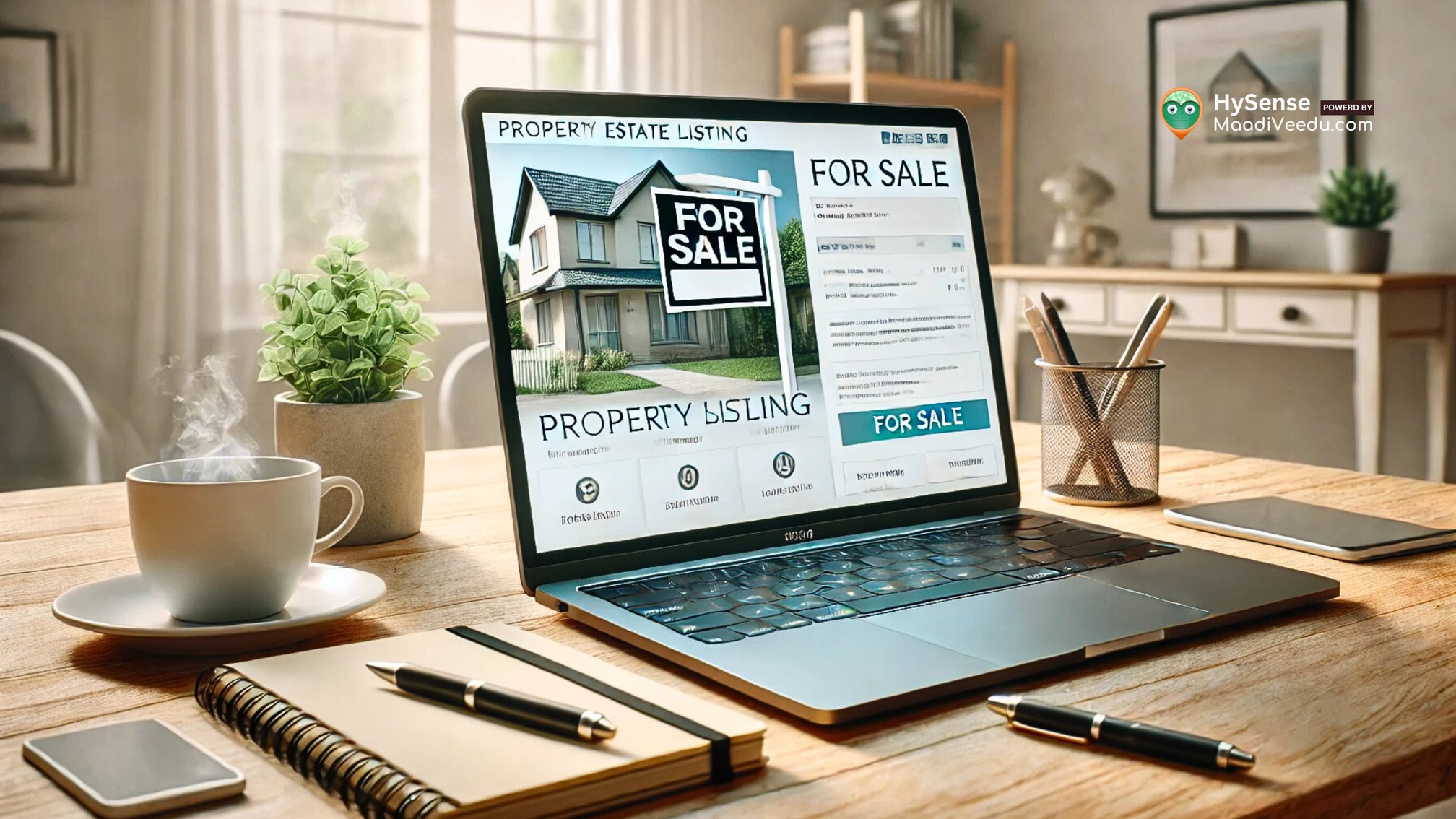
A great property listing is your first impression in the rental market. It acts as both an advertisement and an information source for potential tenants.
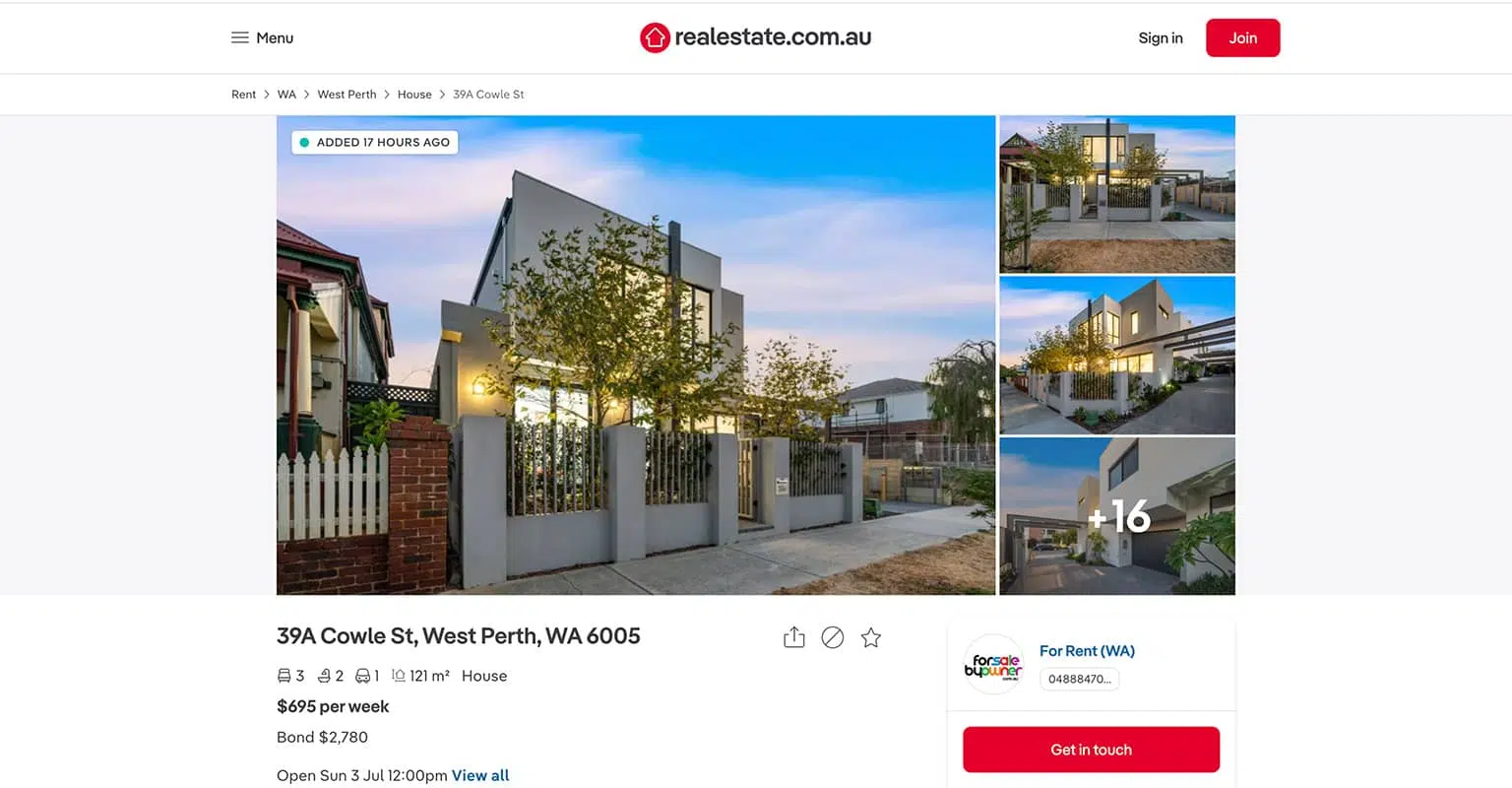
Think of your listing as a digital storefront. It needs to grab attention, provide accurate details, and make renters want to see your home in person. Clear descriptions, professional images, and accurate pricing build trust and increase inquiries.
Many homeowners underestimate the impact of a good listing. In reality, a well-crafted rental post can make the difference between finding a reliable tenant in days or sitting vacant for months.
Preparing Your Home Before Listing It
Before listing your rental property, preparation is crucial. Renters are drawn to homes that feel well-maintained, clean, and move-in ready.
Start with basic maintenance. Fix leaky faucets, patch any holes in walls, and check that all lighting fixtures and appliances are functional. A home that looks cared for communicates that you’re a responsible landlord.
Next, focus on cleanliness and appeal. Deep clean every surface, remove clutter, and consider a fresh coat of paint. Pay special attention to kitchens and bathrooms, as these areas often make or break a renter’s decision.
Finally, improve your property’s curb appeal. Trim the lawn, clean pathways, and ensure the exterior looks welcoming. Remember, many renters decide whether to schedule a viewing based on the first photo they see.
Setting a Competitive Rental Price
Pricing is one of the most critical factors when listing your property. If you set the rent too high, you risk deterring tenants; too low, and you may lose potential income.
To find the right balance, research comparable listings in your neighborhood. Look at properties similar in size, location, and features. Use rental estimate tools such as Zillow Rent Zestimate, Redfin Estimate, or Realtor.com Rent Calculator to get a data-driven insight into market trends.
Also consider seasonal demand rental activity tends to increase in spring and summer, and slow down in winter. Adjusting your price slightly during low-demand periods can help maintain occupancy and reduce vacancy time.
Crafting the Perfect Rental Listing
An effective rental listing is equal parts information and marketing. It must clearly present your property’s details while persuading potential tenants to take the next step.
Start with a catchy, descriptive headline. Include key features like size, location, and unique selling points. For example:
“Spacious 2-Bedroom Apartment Near Downtown with Private Balcony.”
Follow with a detailed description. Explain the layout, amenities, and nearby attractions. Mention if utilities are included, whether pets are allowed, and highlight upgrades such as new flooring or energy-efficient appliances.
End with a clear call to action, encouraging potential renters to schedule a viewing or send an inquiry.
High-quality visuals are also non-negotiable. Use a smartphone with good lighting or hire a professional photographer. Include wide shots of every room, and capture exterior spaces, too.
Benefits of Using Technology to List Your Rental Property

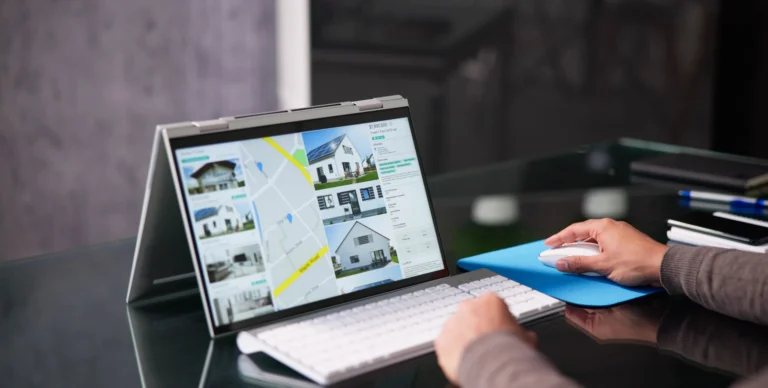
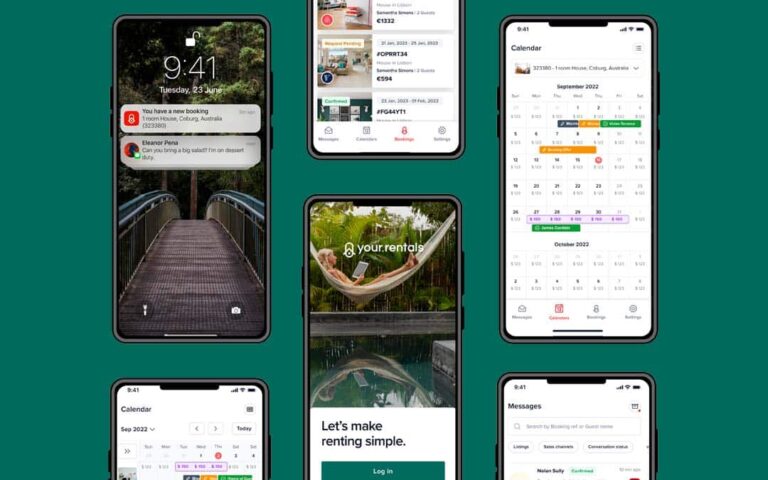
Technology has completely transformed the rental industry. Homeowners can now list, market, and manage properties from their smartphones.
Online rental platforms and property management tools provide built-in analytics, automatic syndication, and digital communication channels with tenants. This allows landlords to manage listings efficiently and reach renters faster.
By using modern digital tools, you gain access to:
- Wider visibility: Listings appear on multiple major platforms simultaneously.
- Faster responses: Automated messages and notifications keep leads warm.
- Data insights: Platforms provide statistics on views, clicks, and inquiries.
Automation also reduces human error and keeps your rental process organized, even if you manage multiple properties.
Real-World Examples of Platforms to List Your Rental Property
Below are some of the best platforms homeowners can use to list and manage rental properties effectively.
Zillow Rental Manager
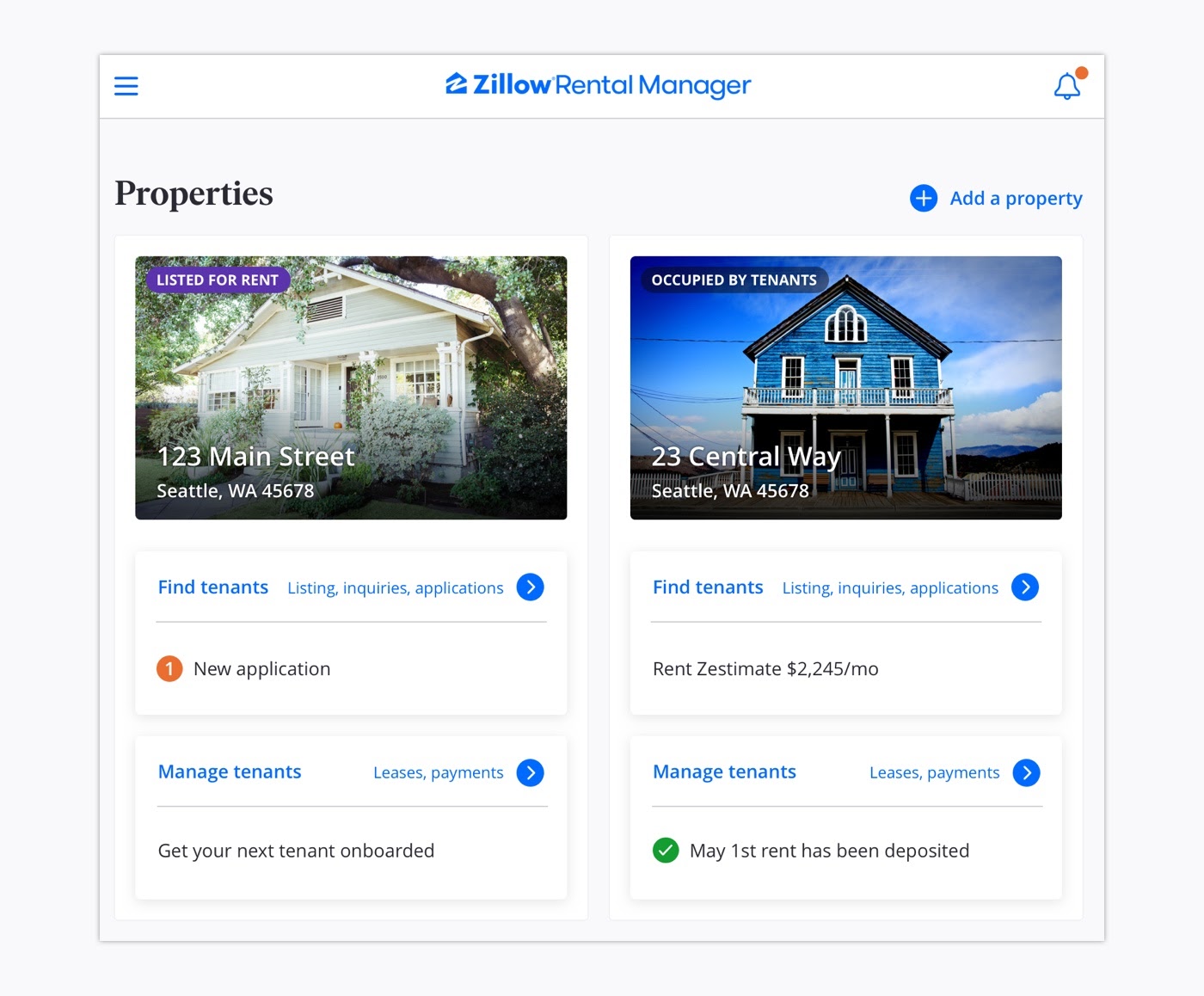
Zillow Rental Manager allows homeowners to create professional listings that appear across Zillow, Trulia, and HotPads. It provides automated tools for pricing suggestions, tenant screening, lease signing, and rent collection.
It’s built-in “Rental Estimate” feature analyzes comparable listings in your area, helping you set a competitive price. Additionally, the dashboard gives insights into listing performance and applicant data, simplifying the entire process.
Apartments.com
Apartments.com is one of the largest rental platforms in the U.S. It allows property owners to upload unlimited photos, add 3D virtual tours, and manage applications directly from the site.
The platform also includes verified reviews and mapping tools, giving potential tenants a detailed understanding of your neighborhood. This transparency helps you attract serious renters who are ready to move quickly.
Avail (by Realtor.com)

Avail offers an all-in-one solution for individual landlords. It lets you create a listing, post it on multiple partner websites, screen tenants, sign leases digitally, and even automate rent collection.
The platform’s reporting tools allow you to track payments, maintenance requests, and lease renewals—all from a single dashboard. This makes it particularly useful for homeowners managing their first rental.
Realtor.com Rentals
Realtor.com provides a professional and trusted platform to list properties. Each listing includes rich data on nearby schools, transportation options, and neighborhood features.
This helps renters make informed decisions and builds trust between landlords and applicants. Realtor.com also has a clean, mobile-friendly interface that boosts visibility on all devices.
Facebook Marketplace Rentals
Facebook Marketplace allows homeowners to reach local renters directly. It’s free, fast, and connects listings with thousands of users in your area.
You can include multiple photos, a detailed description, and communicate instantly with potential renters through Messenger. For smaller landlords or single-property owners, it’s an effective and low-cost solution.
Practical Benefits of Online Rental Listings
Listing your property online offers several practical benefits:
- Massive reach: Online listings are visible to millions of potential tenants.
- Time savings: You can automate communication, lease agreements, and rent collection.
- Professional presentation: Platforms enhance your property’s image with tools like virtual tours and high-quality templates.
- Data-driven decisions: Access insights on listing engagement, helping you adjust pricing or photos based on performance.
- 24/7 accessibility: Tenants can view your property anytime, from anywhere.
These advantages make digital listing platforms indispensable for modern landlords who want efficiency and visibility.
Real-Life Use Cases of Effective Property Listings
Use Case 1: First-Time Landlord with a Single Property
A homeowner renting out their first apartment uses Zillow Rental Manager to post photos, set a competitive price, and screen applicants. Within one week, they secure a tenant who passes all background checks and signs a lease digitally.
Use Case 2: Managing Multiple Properties Remotely
A property owner with several rentals across cities uses Avail to centralize operations. They receive instant notifications for rent payments, automate reminders, and track maintenance requests—all from one account.
Use Case 3: Filling a Vacancy During the Off-Season
A landlord facing slow winter demand lists their property on both Apartments.com and Facebook Marketplace. By optimizing the listing title and improving photos, they generate multiple inquiries within two weeks and successfully rent out the home without lowering the price.
Advantages of a Professional Listing Strategy
A professional listing strategy helps landlords present their property as desirable and trustworthy. When potential tenants see a well-written description and clean, well-lit images, they associate the property with quality.
Additionally, a strategic listing can:
- Reduce vacancy periods.
- Attract better-quality tenants.
- Command higher rent.
- Minimize negotiation friction by setting clear expectations.
Investing time in creating a professional listing is one of the highest-ROI activities for any property owner.
Common Mistakes to Avoid When Listing Your Rental Property
Even experienced landlords make mistakes that can delay or complicate the rental process. Avoid these common pitfalls:
- Overpricing your property without considering market competition.
- Using low-quality photos that make the property appear dark or small.
- Writing vague or incomplete descriptions discourages serious renters.
- Not updating listings regularly causes them to lose visibility on platforms.
- Skipping tenant screening increases the risk of unreliable renters.
Avoiding these mistakes ensures your property stands out and rents quickly.
Frequently Asked Questions
1. How long does it take to rent a property after listing it online?
Most well-presented listings find tenants within two to four weeks, depending on location, price, and market demand. High-quality photos and accurate pricing significantly speed up the process.
2. Do I need professional photos for my rental listing?
While not mandatory, professional photos can dramatically improve engagement and interest. Homes with professional images receive up to 60% more inquiries than those with low-quality pictures.
3. What information should I include in my listing?
Include the number of bedrooms and bathrooms, square footage, rental price, location, amenities, pet policy, and unique features. The more transparent your listing, the more likely you’ll attract qualified tenants.
Final Thoughts
Knowing how to list your rental property effectively is one of the most important skills for any homeowner entering the rental market. By combining solid preparation, accurate pricing, professional presentation, and smart use of technology, you can minimize vacancies and maximize your return on investment.
Whether you’re listing through Zillow, Apartments.com, or Realtor.com, following these best practices ensures your property stands out, attracts the right tenants, and provides you with peace of mind throughout the rental journey.